Smart Prioritization: ADHD-Friendly Task Strategies
- Core Principles of ADHD-Friendly Task Prioritization
- ADHD Prioritization Challenges + 2 Powerful Matrices To Help | Episode 263
- Practical Strategies for ADHD Task Management
- Reducing Distractions and Staying on Track
- How Calma Supports AI-Powered Prioritization
- Conclusion: Taking Control with ADHD-Friendly Strategies
- FAQs
Struggling to prioritize tasks with ADHD? You're not alone. ADHD impacts how the brain handles focus, planning, and time management, often leading to overwhelm and procrastination. This article breaks down practical, ADHD-friendly strategies to help you take control of your to-do list and reduce mental overload.
Key Takeaways:
- ADHD brains need immediate triggers (interest, novelty, urgency) to engage with tasks.
- Simplify task management by reducing cognitive load with external tools like apps or notebooks.
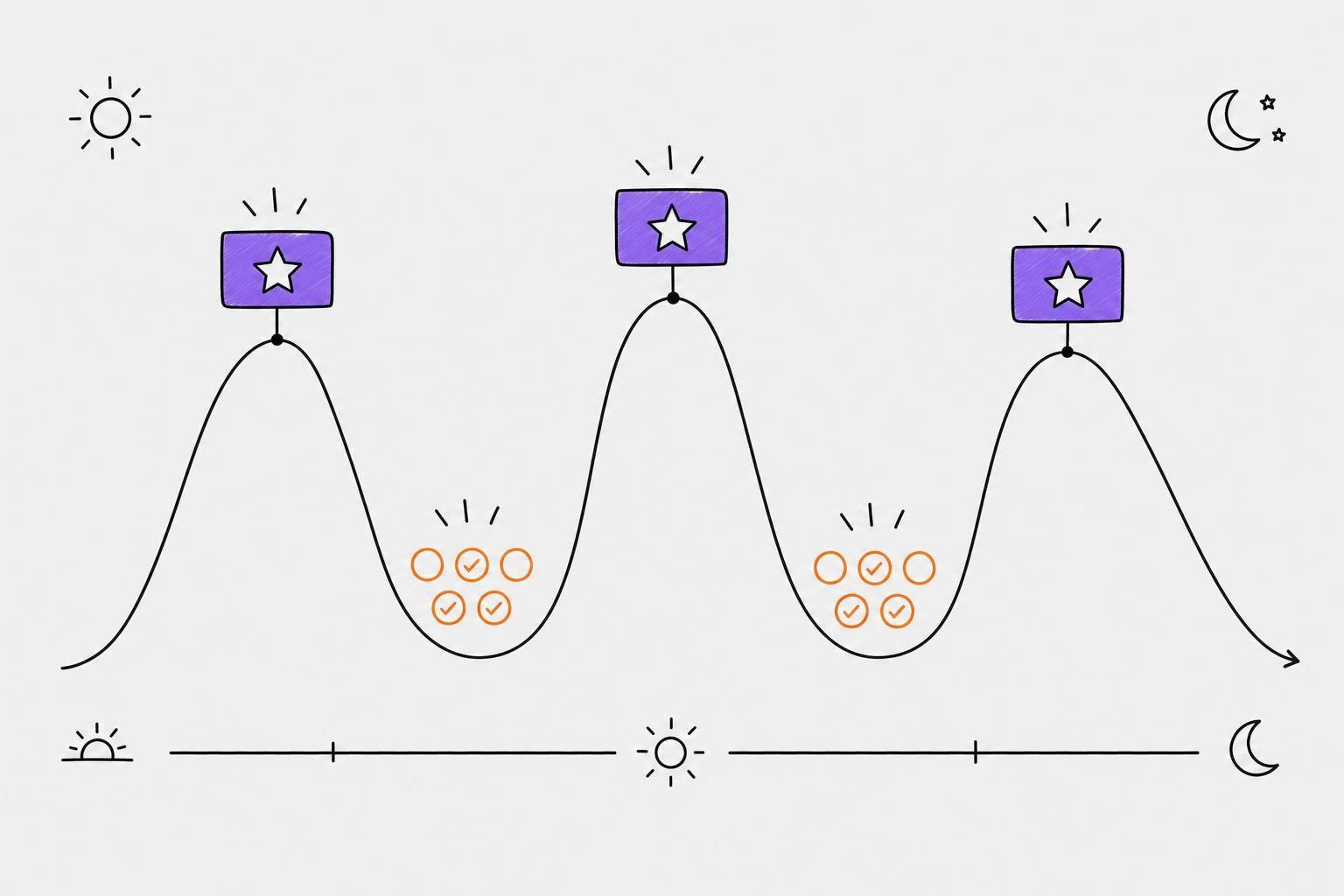
- Use visual aids and timers to combat "time blindness."
- Break tasks into micro-steps to make starting easier.
- Try body doubling or accountability partners to stay focused.
Quick Tips:
- Limit daily priorities to 1–3 tasks to avoid overwhelm.
- Use the Eisenhower Matrix to sort tasks by urgency and importance.
- Experiment with flexible time intervals (e.g., 10, 15, or 45 minutes) instead of rigid Pomodoro sessions.
- Keep a "parking lot" list for distracting thoughts to stay on track.
These methods align with how ADHD brains work, making it easier to prioritize and complete tasks without unnecessary stress.
Core Principles of ADHD-Friendly Task Prioritization
Understanding Task Overload and Cognitive Load
For individuals with ADHD, prioritizing tasks can feel like navigating a maze. This process involves juggling decision-making, time perception, and working memory - areas where ADHD brains often encounter hurdles. One common struggle is "task paralysis", where everything feels equally urgent, making it nearly impossible to decide what to tackle first. This phenomenon, sometimes called "ADHD freeze", can leave people stuck and overwhelmed.
Consider this: a survey revealed that 68% of adults with ADHD experience task paralysis due to feeling overwhelmed, and 38% attribute it to their difficulty in prioritizing. Therapist Mikayla Phan, who specializes in ADHD, explains:
"Prioritization is not just a cognitive skill - it is shaped by emotional load, internal expectations, and daily context."
One way to combat this challenge is by reducing cognitive load. ADHD brains often struggle with working memory, meaning mental to-do lists can disappear as quickly as they form. Externalizing tasks - whether through ADHD task management apps, physical boards, or notebooks - can help. By focusing on just 1–3 daily priorities, you can avoid overloading your brain and create a clearer path forward.
Up next, let's dive into how visual tools and simplicity can make this process even more effective.
The Role of Visual and Simple ADHD Productivity Systems
Once cognitive load is reduced, visual and straightforward systems can take task management to the next level. For instance, visual timelines transform abstract deadlines into something tangible, which can be especially helpful for those who struggle with "time blindness".
But simplicity is just as critical as visibility. Complicated systems - like manually categorizing or ranking tasks - add unnecessary friction, making it harder for ADHD brains to stay on track. Tools that minimize effort, like voice-to-task capture, are game changers. Recording a task in 10–15 seconds using voice commands is far easier than typing it out, which can take 45–90 seconds or more.
Visual feedback is another powerful motivator. Whether it's moving sticky notes from "To-Do" to "Done", seeing a visual timer count down, or tracking habits with pixel grids, these methods deliver quick dopamine hits. This boost can help sustain focus and motivation, making tasks feel more manageable and rewarding.
sbb-itb-1b3be24
ADHD Prioritization Challenges + 2 Powerful Matrices To Help | Episode 263
Practical Strategies for ADHD Task Management
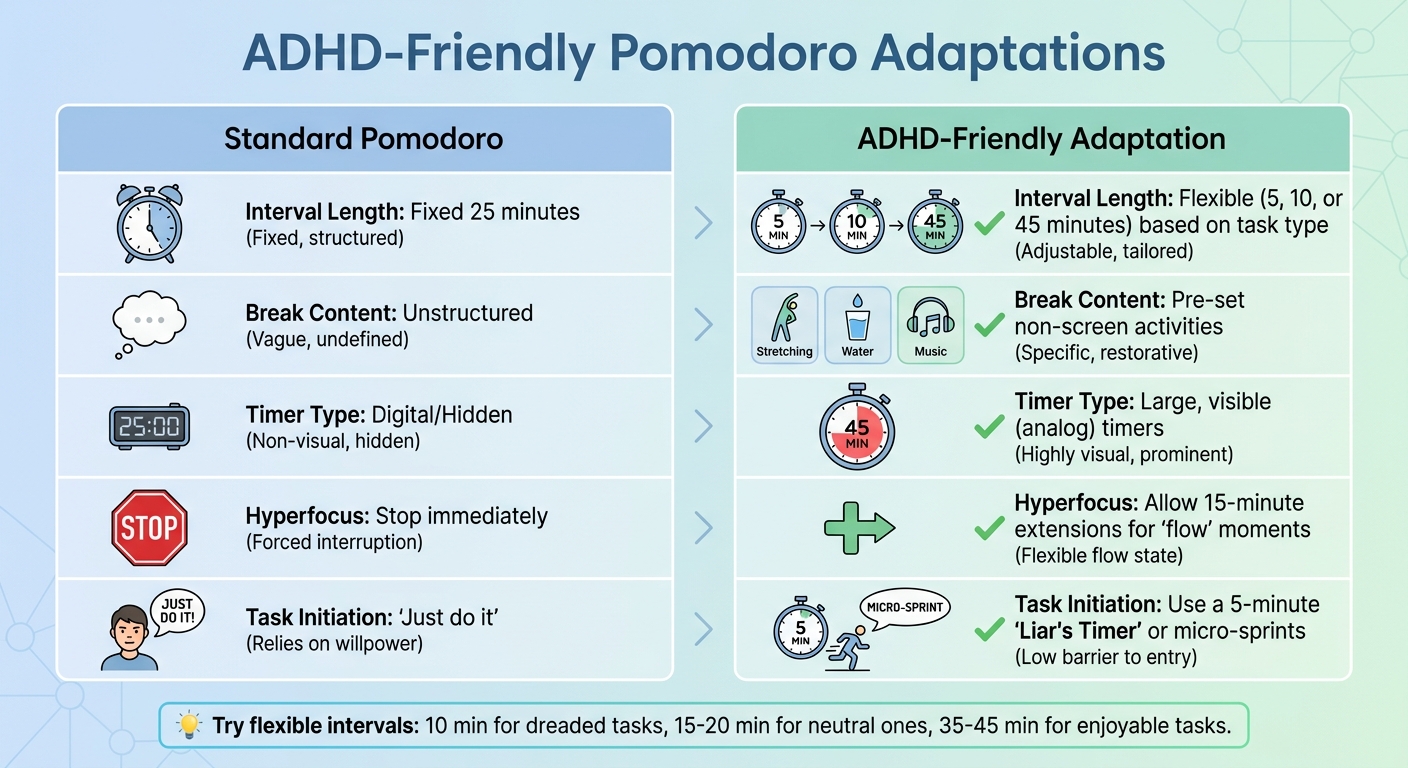
ADHD-Friendly Pomodoro Technique Adaptations
Using the Eisenhower Matrix for Decision-Making
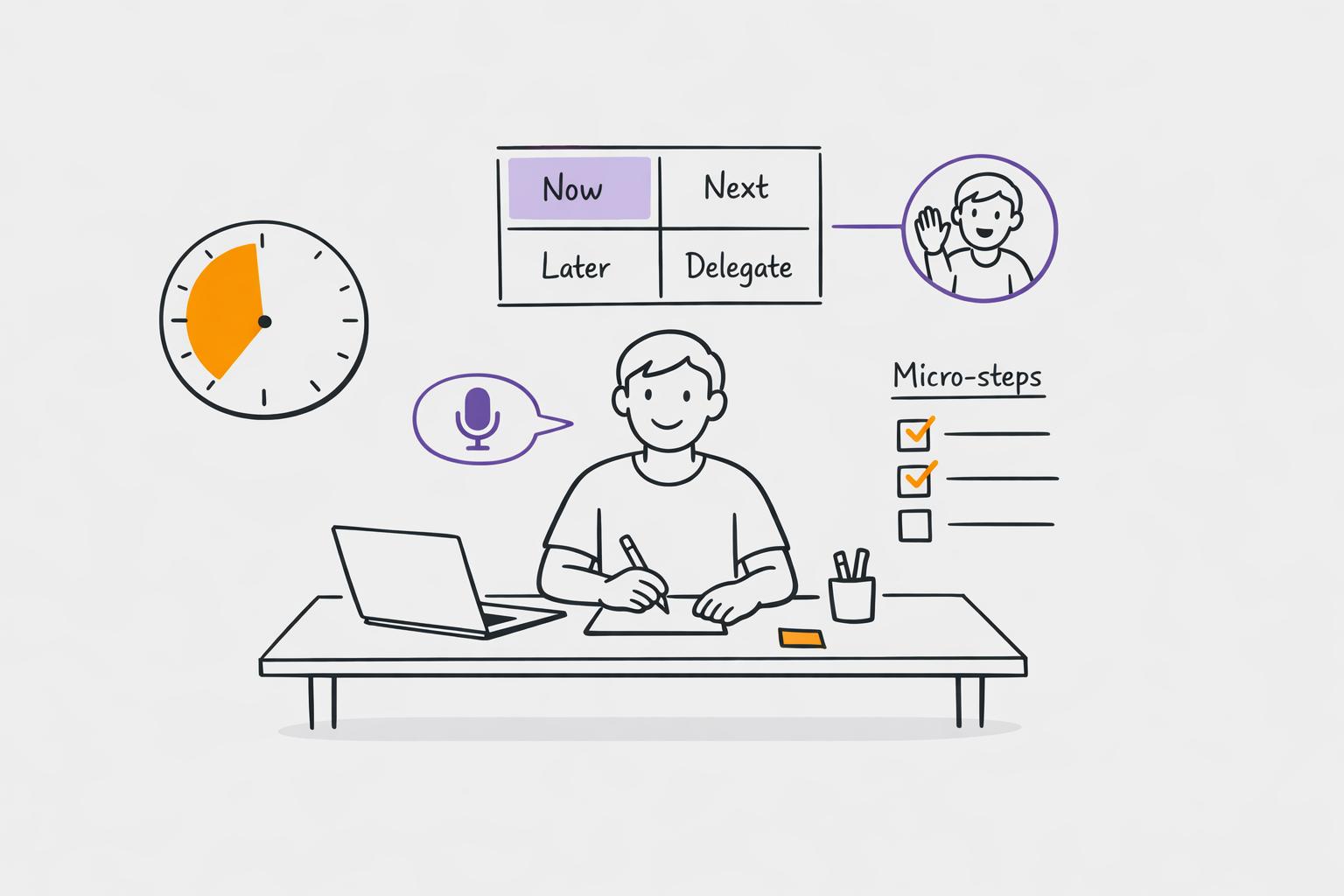
The Eisenhower Matrix - a simple 2x2 grid that organizes tasks by urgency and importance - can be incredibly helpful for managing ADHD, provided it’s adjusted thoughtfully. For instance, the standard approach often leads to "Q1 collapse", where everything feels both urgent and important. To sidestep this, compare tasks directly by asking, "Which of these is more urgent?" instead of evaluating each task in isolation. A practical tweak is to limit the "Do Now" quadrant to just one task, which helps avoid feeling stuck. Dwight D. Eisenhower once said:
"I have two kinds of problems, the urgent and the important. The urgent are not important, and the important are never urgent."
You can also assess urgency by factoring in your "runway" - the time you have versus the effort needed. For example, a task requiring 5 hours of work due in 2 days is less urgent than one needing several days of effort but due in 5 days. Start by jotting down all your tasks in a quick brain dump to clear your mind.
| Quadrant | ADHD-Friendly Label | Action Strategy |
|---|---|---|
| Q1 | Do Now | Focus on ONE task to avoid overwhelm |
| Q2 | Later / Schedule | Block time on your calendar for focused work |
| Q3 | Maybe / Delegate | Automate, simplify, or ask for help |
| Q4 | Skip it / Eliminate | Use a "Stop Doing List" to let go of guilt |
Once tasks are sorted, breaking them into smaller steps makes it easier to get started.
Breaking Tasks into Micro-Steps
Big tasks can feel daunting, often leading to a mental block. To counter this, break tasks down into tiny, specific steps. For example, instead of writing "Start presentation", try breaking it into smaller actions like "Open PowerPoint" and "Click New Presentation". These small, actionable steps help reduce the mental resistance to starting.
A helpful trick is the "Liar's Timer" or the 5-minute rule: tell yourself you’ll work on the task for just 5 minutes. More often than not, once you begin, you’ll find it easier to keep going, even if you’ve set an optional stop timer. As Emily Harper, an AI and productivity expert, notes:
"The part of your brain responsible for initiating, organizing, and executing tasks is operating on a deficit. Neurotypical productivity advice assumes this system works."
By tackling tasks in micro-steps, you can build momentum, making it easier to use time management techniques for sustained focus.
Pomodoro Sprints for Focused Work
Once you’ve mastered starting tasks, structured time intervals can help maintain focus. The classic 25-minute Pomodoro technique doesn’t always work for ADHD brains, as it can feel like an anxiety-inducing countdown. Instead, try flexible intervals: 10 minutes for dreaded tasks, 15–20 minutes for neutral ones, and 35–45 minutes for tasks you enjoy. Starting with 5-minute micro-sprints can also lower the barrier to getting started, and once momentum builds, you may naturally extend your session.
For those who hyperfocus, check in with yourself briefly and extend your timer by 15 minutes if needed. Visual timers, like the Time Timer MOD (around $35) or the Secura 60-Minute Visual Timer (around $15), can be especially helpful for combating time blindness by making the passage of time more visible.
Plan your breaks with a pre-set list of non-screen activities - such as stretching, splashing cold water on your face, or listening to music - to ensure they refresh rather than distract you. Before taking a break, jot down one sentence about what you’ll do next. This small habit can prevent the "where do I start?" dilemma when you return to work.
| Feature | Standard Pomodoro | ADHD-Friendly Adaptation |
|---|---|---|
| Interval Length | Fixed 25 minutes | Flexible (5, 10, or 45 minutes) based on task type |
| Break Content | Unstructured | Pre-set non-screen activities |
| Timer Type | Digital/Hidden | Large, visible (analog) timers |
| Hyperfocus | Stop immediately | Allow 15-minute extensions for "flow" moments |
| Task Initiation | "Just do it" | Use a 5-minute "Liar's Timer" or micro-sprints |
Reducing Distractions and Staying on Track
Keeping your mind clear is essential for staying in control of your tasks, especially when managing ADHD. Let's dive into two strategies that can help you stay focused and productive.
Using a Thought Dump or "Parking Lot" List
Ever find yourself distracted by random thoughts like, "Did I respond to that email?" This is the Zeigarnik Effect at work - your brain keeps reminding you of unfinished tasks until you address them. A simple solution? Write them down. By doing so, you signal to your brain that the thought is stored, reducing mental interruptions.
Keep a "parking lot" list handy. It could be a notebook, a voice memo app, or the quick-add feature in your task manager. When a distracting thought pops up, ask yourself, "Will something fall apart if I don’t act on this right now?" If the answer is no, jot it down in a few keywords and get back to what you were doing. Why is this important? Research shows it takes about 23 minutes and 15 seconds to fully refocus after an interruption, and frequent task switching can slash your productivity by up to 40%. As Brain.fm puts it:
"The brain is designed for having ideas, not for storing them".
To wrap up your work block, take 5–10 minutes to review your parked items. Decide what’s urgent, what can wait, and what doesn’t need your attention at all.
Once distractions are under control, another technique can help you stay focused: social accountability.
Body Doubling for Accountability
Body doubling is a strategy that uses external accountability to help you stay on task. The idea is simple: work on your task while someone else is present - either in-person or virtually - who is also working. Their presence acts as a subtle anchor to keep you focused. Dr. J. Russell Ramsay from the University of Pennsylvania explains:
"Body doubling takes advantage of the observation that adults with ADHD are more likely to initiate and engage in a typically avoided task if someone else is present".
This method works in a few ways. Having someone nearby keeps you alert, gives you a dopamine boost to start tasks, and provides a model for focus - watching someone else concentrate can encourage your brain to do the same. A 2025 VR study even found that ADHD participants completed repetitive tasks 27% faster when a body double was present compared to working alone.
Body doubling can be done in-person, virtually, or even through a group chat. Before starting, share your goal with your partner for added accountability. Work sessions can range from 20 to 90 minutes - shorter bursts are great for low-energy days, while longer blocks are better for big projects. Choose a quiet, focused partner and agree upfront to keep the session about work, not conversation.
How Calma Supports AI-Powered Prioritization
Planning with ADHD should feel easy and natural. That’s where Calma steps in, using AI to streamline organization so you can focus on taking action. By combining earlier strategies with smart automation, Calma delivers prioritization tools right at your fingertips.
Voice-to-Task Conversion for Easier Planning
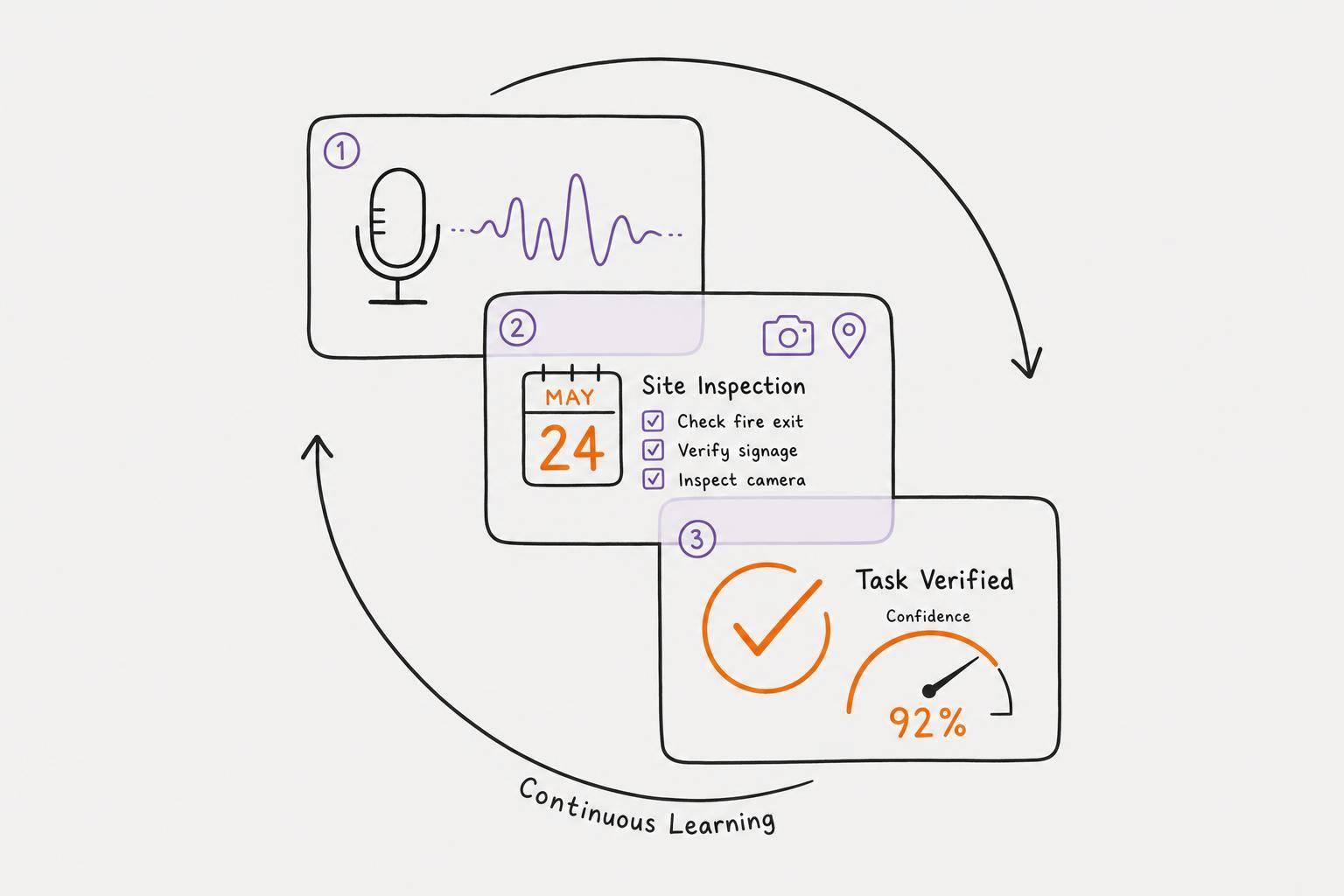
When your mind is racing with ideas, typing out tasks can feel like a chore. Calma's voice-to-task feature simplifies this process - just speak your thoughts, and within 30 seconds, the AI transforms your mental notes into organized tasks. As described in the Calma App Store:
"Calma's AI listens, then organizes your brain dump into clear, prioritized tasks you can actually act on. No typing. No organizing. Just talk, and your plan appears."
The AI transcribes your words, identifies what’s urgent, sets due dates, and breaks larger projects into smaller, actionable steps. It’s like having a personal assistant handle the executive function work that can often feel overwhelming for ADHD minds.
Smart Prioritization and Visual Habit Tracking
Once your tasks are logged, Calma’s AI steps in to rank them by urgency and importance. This eliminates the stress of deciding where to start and helps you focus on what matters most. The app also incorporates visual tools, like habit progress grids, to track your achievements and provide instant positive reinforcement. With home screen widgets for tasks and habits, your goals stay front and center without needing to open the app.
Emotional Awareness and Cognitive Load Reduction
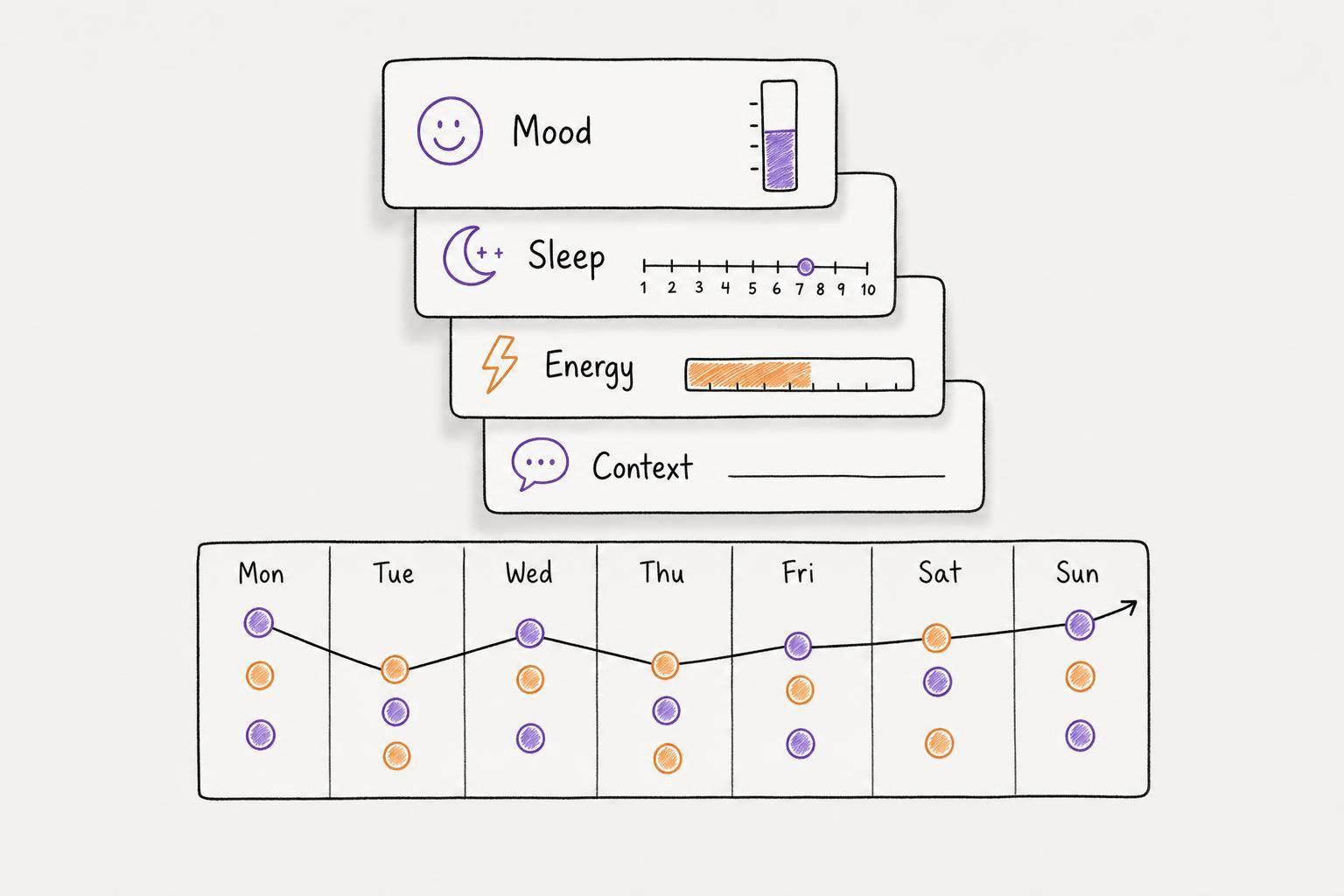
ADHD management isn’t just about staying organized - it’s also about recognizing and responding to your emotions. Calma’s AI analyzes your voice journals to detect emotions like stress, joy, or calm, offering insights into your mental state over time. By aligning task management with how you’re feeling, the app reduces mental strain. Its minimalist design keeps things simple, while voice recordings are processed securely on-device or through a protected API, ensuring your privacy is always safeguarded.
Conclusion: Taking Control with ADHD-Friendly Strategies
The strategies in this guide offer practical ways to regain control over your tasks while working with your brain rather than against it. From the Eisenhower Matrix to breaking tasks into micro-steps and using body doubling, these techniques are tailored to ADHD-specific challenges. As Tamara Rosier, PhD, explains:
"Prioritizing tasks and knowing what to do first is difficult for those of us with ADHD, so we rely on anxious feelings to tell us what needs to be done".
By replacing anxiety-driven decisions with structured, clear methods, you can create a system that aligns with your natural rhythms and needs.
Breaking down projects into manageable first steps helps reduce overwhelm and conserve mental energy. Tools like visual aids and accountability partners, such as body doubling, provide the structure often required by ADHD brains. Pairing these strategies with AI-powered tools like Calma can make organizing tasks even easier - transforming scattered ideas into actionable plans in seconds, without the added stress of manual effort. These approaches not only lighten the mental load but also create a foundation for lasting control over your daily life.
ADHD-related challenges often stem from neurological factors. With around 80% of adults with ADHD also managing conditions like anxiety or depression, having tailored prioritization techniques is crucial for emotional well-being. Strategies like visual tools and external accountability help break cycles of self-doubt, replacing them with self-compassion and steady progress.
Start small - try one or two techniques and see what feels natural. Adjust as needed to suit your style. The goal isn’t about achieving perfection; it’s about finding a system that genuinely works for you. This way, you’ll spend less energy on organizing and more on what truly matters in your life. Building this kind of system sets the stage for consistent, meaningful progress.
FAQs
How do I pick my 1–3 daily priorities fast?
To identify your top 1–3 priorities for the day, zero in on tasks that will make the biggest difference. Start by reviewing your to-do list and picking the items that best align with your main goals or upcoming deadlines.
Using tools like Calma’s smart prioritization or setting clear criteria for what’s most important can make this process easier. The trick is to keep things simple, focus on what truly matters, and avoid draining your mental energy by overloading yourself with too many tasks.
What’s the easiest way to start a task when I feel stuck?
Getting started on a task can feel daunting, but there are simple ways to make it easier. One effective approach is to break the task into smaller, manageable steps. If that still feels overwhelming, commit to working on it for just 5–10 minutes. Often, taking that first small action can build momentum.
Techniques like the Five-Second Rule - where you count down from five and take action before doubt creeps in - can help you move past hesitation. You can also use external cues to nudge yourself into action. Try visual reminders, leave yourself a voice note, or tweak your environment to make the task more inviting. Connecting the task to something you're genuinely interested in can also make it feel less like a chore. Small changes like these can make starting much less intimidating.
How can I use Calma to turn a brain dump into a plan?
With Calma, turning a jumble of thoughts into a solid plan is effortless thanks to its voice-based task capture feature. Simply speak your ideas out loud, and Calma’s AI takes care of the rest - transcribing your thoughts, organizing them, and creating structured, prioritized tasks complete with due dates. It’s a seamless way to lighten your mental load and transform scattered ideas into a clear, actionable plan - no typing or manual input required.