7 Task Switching Tips for ADHD Minds
- Shifting Smoothly with ADHD: Stop Task Switching Stress – ADHD Tips That Actually Work
- 1. Write Down Where You Left Off
- 2. Use Voice-to-Task Conversion for Quick Logging
- 3. Group Similar Tasks Together
- 4. Add Physical Transition Rituals
- 5. Set Timers with Buffer Time
- 6. Use Visual Cues and Checklists
- 7. Reduce Distractions and Environment Changes
- Conclusion
- FAQs
If switching tasks feels like a constant uphill battle, you're not alone. For ADHD minds, transitions can be mentally draining, but the right strategies can make a big difference. Here’s a quick overview of tips to help you manage task switching more effectively:
- Write Down Where You Left Off: Create a "bookmark" to easily resume tasks later and reduce mental clutter.
- Use ADHD task management apps with voice-to-task tools: Record thoughts quickly to avoid losing focus or forgetting ideas.
- Group Similar Tasks: Batch tasks that require similar focus to minimize mental energy spent on switching.
- Add Physical Transition Rituals: Simple actions like stretching or tidying your space help reset your brain.
- Set Timers with Buffer Time: Use short breaks between tasks to clear attention residue and refocus.
- Use ADHD productivity planner app options for visual cues and checklists: External reminders and organized lists make transitions smoother.
- Reduce Distractions: Silence notifications, organize your workspace, and manage internal interruptions.
These strategies align with how ADHD brains work, making task switching less stressful and more manageable. Start small by trying one or two tips to see what works best for you.
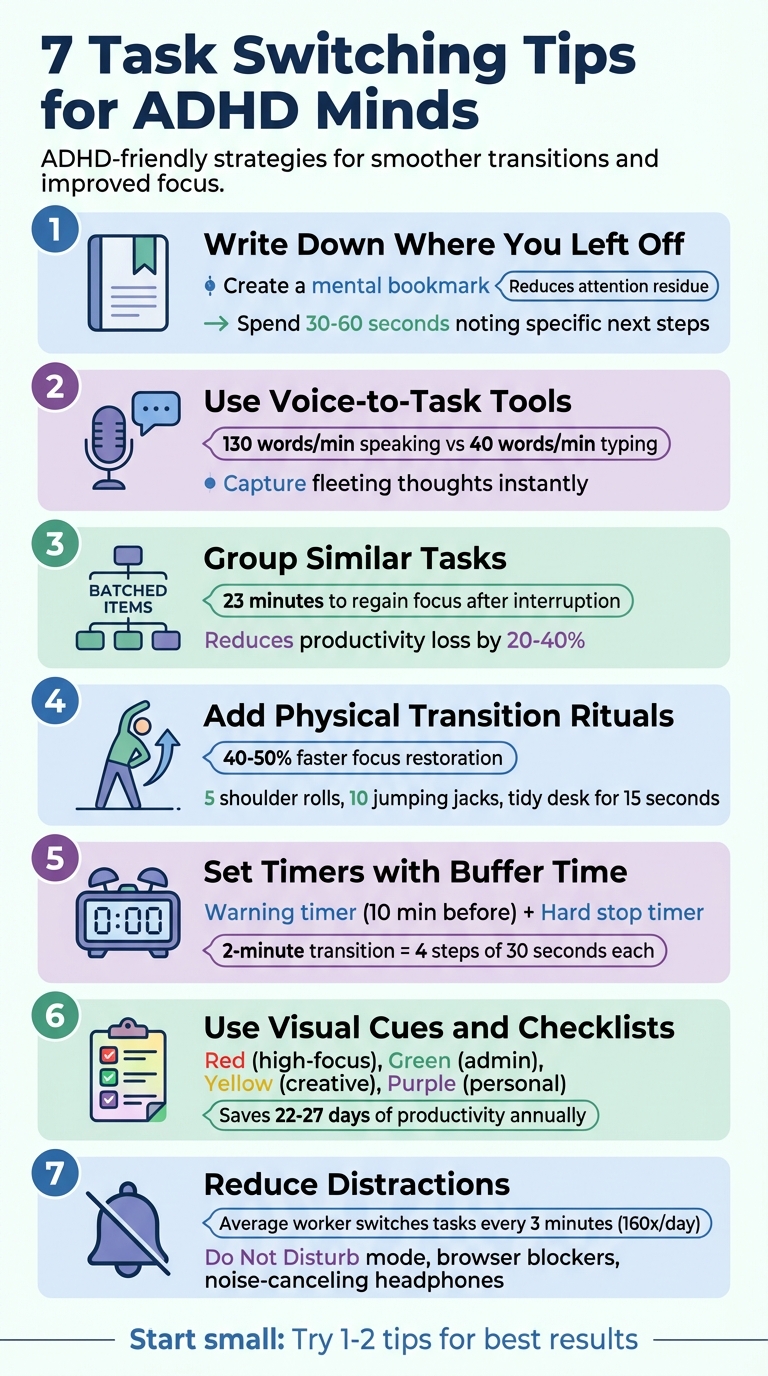
7 Task Switching Tips for ADHD: Visual Guide to Better Focus
Shifting Smoothly with ADHD: Stop Task Switching Stress – ADHD Tips That Actually Work
sbb-itb-1b3be24
1. Write Down Where You Left Off
Before jumping to another task, take a moment to jot down exactly where you stopped. Think of it as creating a mental bookmark. This simple habit not only clears your mind but also ensures you won’t lose track of key details during transitions.
As Mareen Dennis, MS LPP, puts it:
"Write down what you were doing when your task was interrupted so that you can easily resume your work. Think of it as a bookmark to hold your place in the work process."
This step also helps bring closure to your current task. By summarizing what you’ve completed and identifying the next steps, you allow your brain to move on more smoothly. Without this, you risk leaving part of your focus behind - something called attention residue. This lingering focus can make it harder to fully engage with your next task.
To make the process even more effective, spend 30–60 seconds writing down the specific next step you need to take. Avoid general notes like "finish report." Instead, go for something actionable, such as: "Add caption to Figure 3, then export PDF." ADHD coach Marla Cummins refers to this as creating a "landing strip", which saves you the mental energy of figuring out where to pick up when you return. Place this note somewhere visible - on your document or monitor - so it’s the first thing you see when you get back to work.
2. Use Voice-to-Task Conversion for Quick Logging
Once you've bookmarked your progress, another way to simplify task management is by capturing your thoughts hands-free.
Typing on a phone can be a slow process. While the average person types about 40 words per minute, they speak at roughly 130 words per minute - a significant difference. For individuals with ADHD, this delay can mean the difference between capturing a fleeting thought and losing it altogether.
As Brett G, Remi8, puts it:
"The gap between having the thought and capturing it is where ADHD kills productivity."
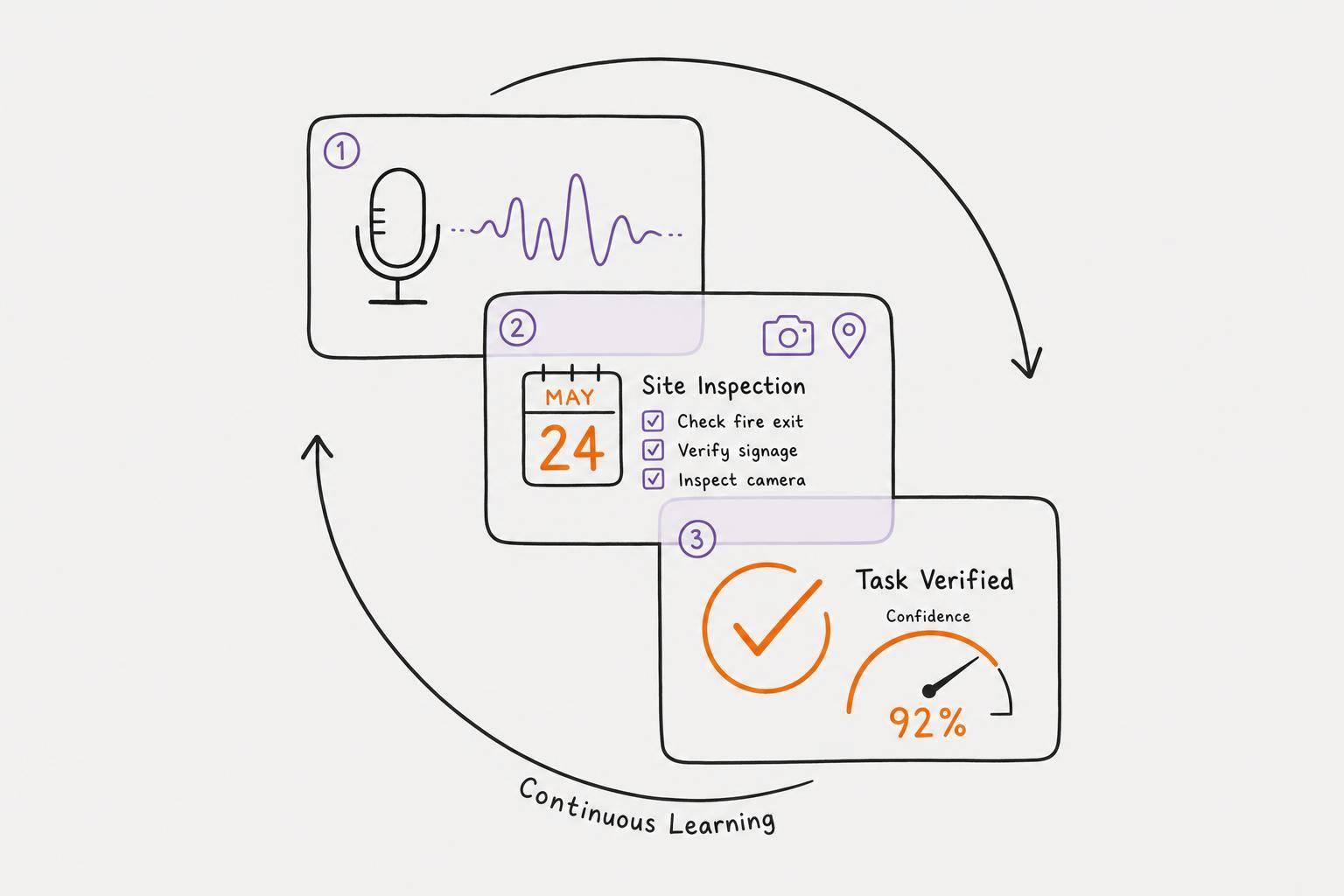
Voice-to-task tools bridge this gap by allowing you to speak naturally without worrying about structure or formatting. Advanced AI can automatically extract deadlines, set priorities, and organize tasks. For example, if you say, "remind me to call the doctor by Friday", the tool can instantly create a task with a due date.
This method also helps you close mental loops when switching tasks. If you're interrupted, you can quickly record a voice note to capture a new idea or remind yourself where you left off. This reduces the mental strain of trying to hold onto thoughts while juggling tasks. By offloading these thoughts, you free up mental energy - a critical strategy for managing tasks effectively with ADHD.
Tools like Calma are specifically designed for this purpose. They convert voice recordings into organized tasks, complete with smart prioritization and automatic due dates, all aimed at reducing cognitive effort for ADHD users.
The best part? You don’t need to worry about being polished or organized when you speak. Just talk, and the AI takes care of the rest, easing the pressure that can lead to task paralysis.
3. Group Similar Tasks Together
Switching between tasks isn't easy for the brain, especially for those with ADHD. Every time you shift gears, your brain needs to adjust its focus, re-establish goals, and load new rules - all of which can be mentally exhausting. For ADHD minds, this process takes an even greater toll.
The solution? Batch similar tasks together. By grouping activities that require the same type of focus, you reduce the need for constant context-switching. For instance, instead of bouncing between emails, calls, and unrelated tasks, dedicate a block of time to handle all your emails, then move on to calls. This keeps your brain in the same "mode", making it easier to stay on track.
Here’s why this approach matters: research shows it can take about 23 minutes to regain full focus after an interruption. Frequent task-switching can cut your productivity by 20% to 40%. Mareen Dennis, MS LPP, highlights this point:
"Chunking responsibilities with similar characteristics together will help adults with ADHD avoid the chaotic and sometimes dazed feeling of multitasking."
To make the most of this strategy, start each batch with something simple, like organizing your workspace or filing a document. This helps build momentum before moving on to more demanding tasks like budgeting or scheduling. It’s a great way to overcome the ADHD brain’s difficulty with starting tasks.
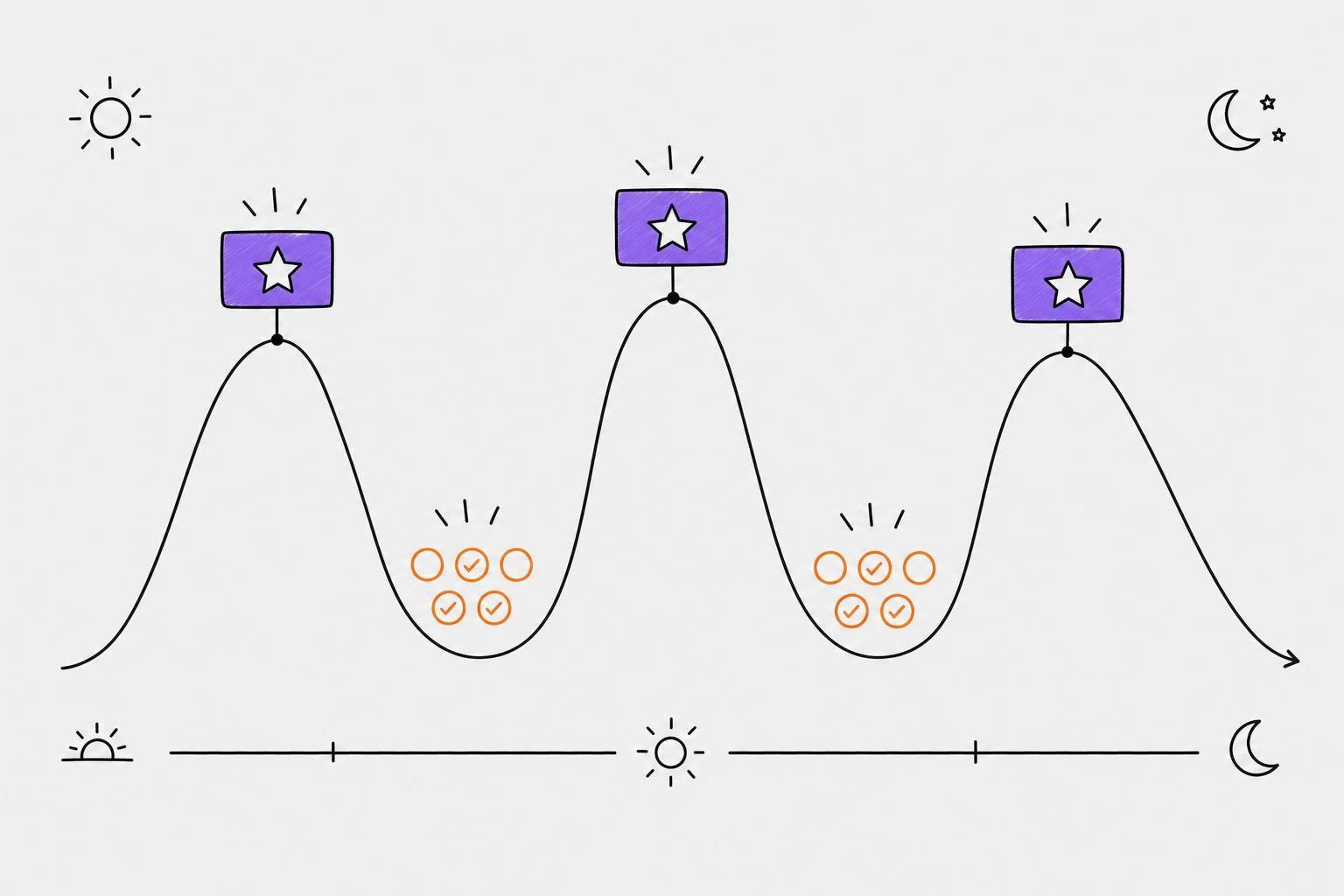
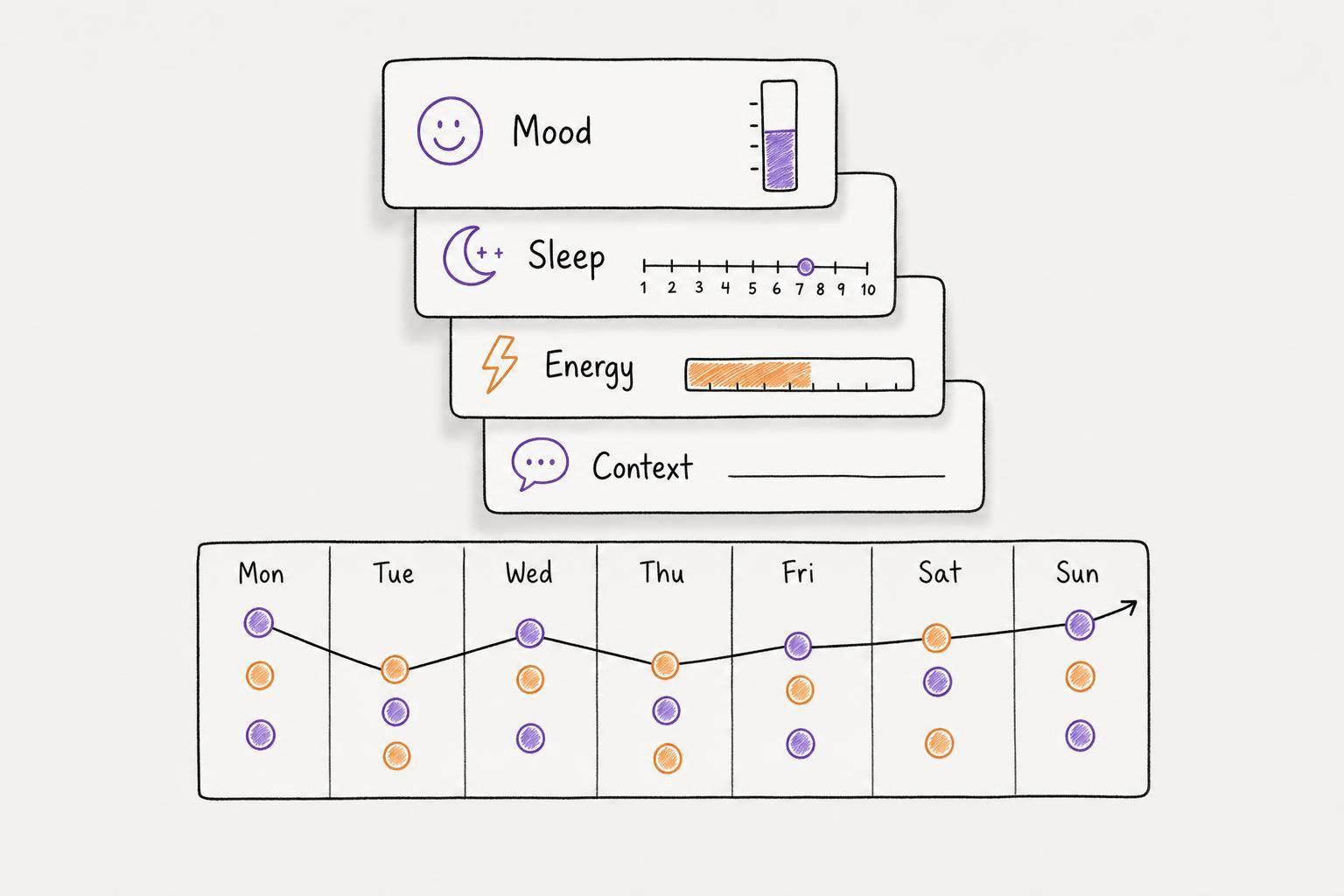
Another tip? Match your task batches to your energy levels throughout the day. Save high-focus activities like writing or problem-solving for when you’re most alert, and tackle lower-energy tasks like data entry or organizing during slower periods. This approach aligns your workload with your natural energy rhythms, making it easier to stay productive without feeling overwhelmed.
4. Add Physical Transition Rituals
Once you've organized your tasks and thoughts, it’s time to get your body involved. Why? Because your brain doesn’t have a built-in "task switch" button. For people with ADHD, moving from one activity to the next can feel like shifting gears in a car without a clutch - awkward and frustrating. This is where physical transition rituals come into play. These small actions help your brain hit the reset button, letting go of the last task and preparing for the next one.
Jumping straight into a new task often leaves behind "attention residue." This leftover mental focus can split your attention, making it harder to fully engage with what’s next. For those with ADHD, who frequently deal with attentional inertia, this effect can be even stronger. A quick reset, however, can clear this mental clutter and allow you to refocus.
Here’s the encouraging part: even a simple physical ritual can make a big difference. Research shows that using a transition ritual can help restore focus 40%-50% faster. That small investment of a few seconds can save you a lot of time and energy.
The trick is to keep your transition both physical and sensory. Some effective examples include:
- Doing five shoulder rolls or 10 jumping jacks
- Taking a brisk walk to another room
- Splashing cold water on your face
- Tidying your workspace for 15 seconds
- Closing all browser tabs related to the previous task
These activities engage different neural pathways and boost blood flow to your brain. Even something as small as clearing your desk can signal to your brain that one task is done, freeing up mental space for the next.
The real magic happens with consistency. When you stick to the same physical or sensory cues for transitions, your brain starts to recognize these actions as a signal to shift focus. Over time, this builds an automatic response, making task switching feel almost effortless.
5. Set Timers with Buffer Time
Timers are great for staying on track, but let’s face it - your brain doesn’t instantly flip a switch when moving from one task to another. That leftover mental focus, often called "attention residue", is why diving straight into a new activity can feel exhausting. The solution? Build in some buffer time - a short mental break to help reset your focus.
Research suggests it takes about 23 minutes to fully refocus after switching tasks. However, consciously wrapping up one task can cut that time down by 40% to 50%. So, how do you actually make this work? It’s all about structuring your transitions.
Here’s a simple method: Set a warning timer 10 minutes before your current task ends, followed by a "hard stop" timer to signal it’s time to move on. Once the timer goes off, spend 2 minutes on a quick transition ritual. Break it into four 30-second steps:
- Note where you left off: Jot down key points or next steps.
- Do a quick physical reset: Stretch, stand up, or even just take a deep breath.
- Shift your sensory state: Change your environment slightly - adjust lighting, grab a drink, or play calming music.
- Set your intention for the next task: Mentally prepare for what’s coming next.
"The question isn't whether you can afford to take 2 minutes to transition. It's whether you can afford not to." – Brain.fm
Tailor your buffer time based on the type of tasks. For similar activities, a quick 90-second reset might do the trick. But if you're switching gears - from a high-energy meeting to deep, focused work - you might need 2–3 minutes. Feeling stuck or overwhelmed? Set a 5-minute timer to sit with the discomfort. That short pause can help you break through task paralysis.
6. Use Visual Cues and Checklists
If you have ADHD, your brain processes visual information in a distinct way - and this can actually work in your favor. Visual cues can create a direct link between seeing something and doing it, helping you bypass the mental overload that often comes with switching tasks. Instead of depending solely on memory, you can turn your surroundings into a kind of external support system.
One effective approach is strategic object placement. Position items you need for your next task in spots you can’t miss - like putting your vitamins next to the coffee maker, laying out workout clothes on your bedroom chair, or placing a report you need to review right on top of your laptop. Even mirrors, which you naturally check during your daily routines, can double as helpful reminders. These visual cues can seamlessly integrate with organized checklists to make task transitions smoother.
Checklists, when designed to fit the way your brain works, can be game-changers. Try categorizing tasks by energy level using colors: red for high-focus work, green for simple admin tasks, yellow for creative projects, and purple for personal activities. Before wrapping up a task, jot down a quick "park-and-resume" note about the next step you need to take. This small habit can make it much easier to pick up where you left off.
"Visual checklists externalize information, easing the working memory load for ADHD brains."
Timers with visual countdowns can also make a big difference. Instead of relying on abstract numbers, these timers represent time in a way that’s easier to grasp, turning it into something you can see and feel. Considering that adults with untreated ADHD may lose 22 to 27 days of productivity annually due to focus challenges, tools that make time more tangible can help reduce this productivity drain.
With tools like Calma, you can create custom checklists and visual reminders to make task transitions feel less overwhelming and more manageable.
7. Reduce Distractions and Environment Changes
If you have ADHD, distractions hit harder and take longer to recover from. Things like phone notifications, email alerts, or even background noise can completely throw off your ability to switch tasks effectively. Studies show that the average knowledge worker switches tasks every three minutes - about 160 times in a standard eight-hour workday - but for someone with ADHD, each interruption can feel much more disruptive.
Start by improving your digital environment. Turn on "Do Not Disturb", mute notifications, and use browser extensions to block time-wasting websites. Another helpful trick? Create separate browser profiles - one for work and another for personal use. Physically, you can minimize distractions with tools like noise-canceling headphones, closing your door, or even putting up a "Do Not Disturb" sign. These steps help create a distraction-free zone, both online and offline.
Your physical workspace matters too. Keep it organized to make transitions between tasks easier. For example, after finishing a project, close out all related tabs and documents to avoid lingering mental clutter. If possible, schedule tasks that require deep focus during naturally quieter times, like early mornings or late evenings.
"ADHD brains are often more sensitive to both internal and external distractions." - NoPlex
And let's not forget internal distractions - random thoughts, anxiety, or boredom can be just as disruptive as external noise. When a distracting thought pops into your head mid-task, use tools like Calma’s voice-to-task feature to quickly capture it without losing momentum. This way, you acknowledge the thought without letting it derail you, saving it for a more appropriate time. By addressing both external and internal distractions, you can create a smoother path for transitioning between tasks.
Conclusion
Building on the task-switching strategies we've explored, these final tips can help you adapt the approach to fit your ADHD brain. Task switching with ADHD isn’t about forcing yourself to follow someone else’s methods - it’s about aligning with how your mind naturally works. As Dr. Alejandro Alva, Psychiatrist at the Mental Health Center of San Diego, explains:
"Improving task switching, especially when you have ADHD, is about working with your unique brain wiring, not against it."
The strategies shared here aren’t meant to be universal fixes. Instead, start small: choose one or two tips that feel manageable and try them out for a week or two. Small, steady adjustments often lead to more lasting progress than trying to change everything all at once. Pay attention to what feels effective, and tweak your approach as needed to build a system that genuinely works for you.
To make these practices even easier, tools like Calma can help lighten the mental load during task transitions. For example, Calma’s voice-to-task feature lets you capture your thoughts in just 10–15 seconds, compared to the 45–60 seconds it might take with manual planning. Its AI-powered prioritization also helps cut through decision fatigue and manage the distractions - both internal and external - that often make task switching harder.
The key is to experiment and adjust until you find what fits. Remember, the goal here isn’t to achieve perfection - it’s to make progress, one step at a time.
FAQs
Why is task switching so hard with ADHD?
Task switching can be particularly tough for individuals with ADHD because it taps into areas where they often face challenges - like managing attention, working memory, and adapting to new situations. The brain has a hard time letting go of one task and smoothly transitioning to another, making these shifts feel jarring and draining. This isn’t about a lack of effort or motivation; it’s tied to how the ADHD brain handles focus and change, which can leave people feeling overwhelmed and frustrated.
How do I stop losing my place when I get interrupted?
To bounce back after interruptions, try a simple 2-minute transition ritual. This can help your brain reset and get back on track. Start by jotting down where you left off or any thoughts swirling in your mind - this reduces what's called "attention residue." Then, create a clear signal for your brain to switch gears, like closing a notebook or taking a deep breath. These small steps can make it easier to refocus and keep moving forward.
What’s the quickest way to reset my focus between tasks?
The quickest way to regain focus - especially for ADHD minds - is by using a short, research-backed transition ritual. A brief 2-minute routine helps your brain release the previous task and prepare for the next one, cutting down on attention residue. This straightforward method reduces the time it takes to refocus, making task transitions easier and more effective.