Energy-Based Planning vs. Traditional To-Do Lists
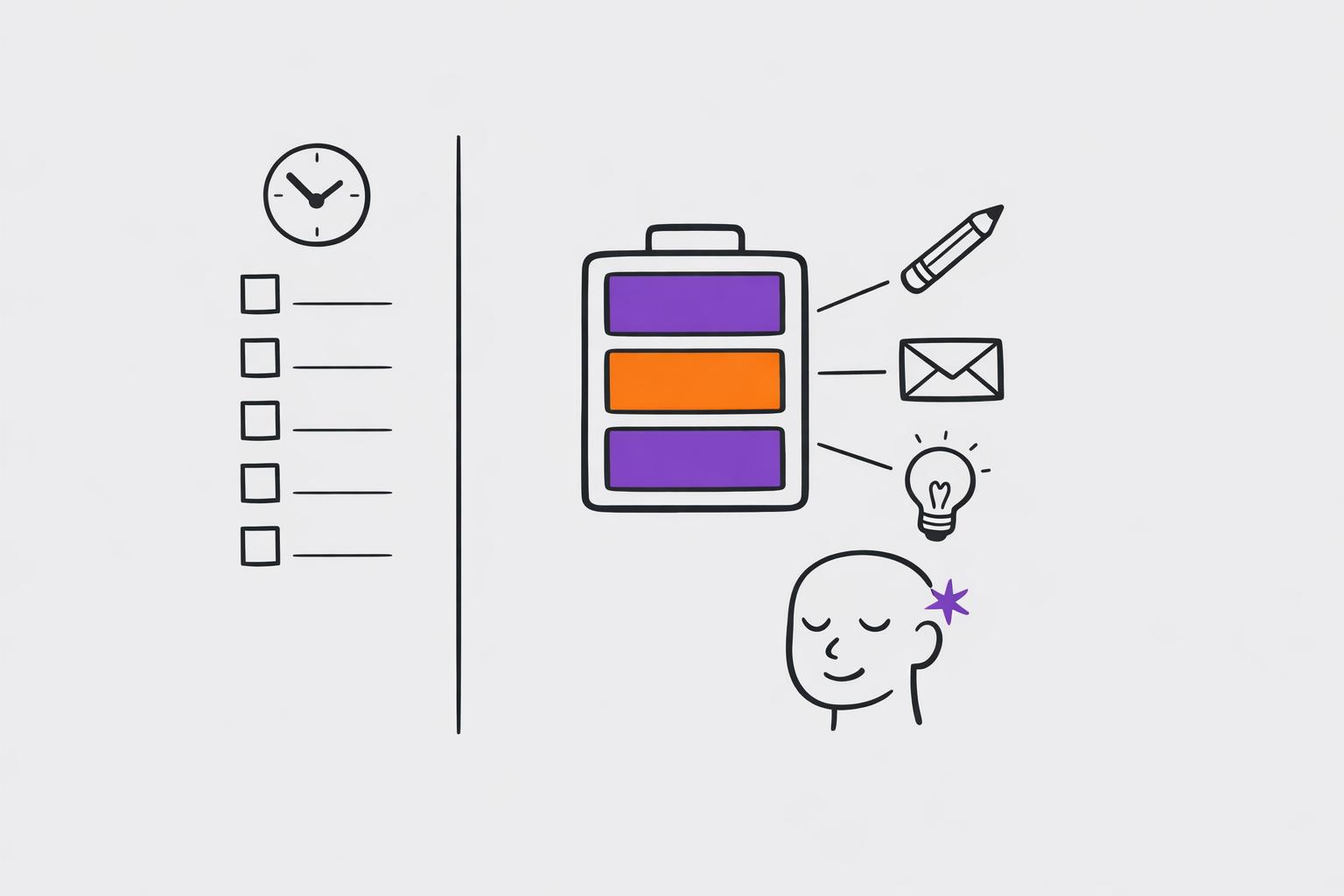
Energy-based planning focuses on managing your energy, not your time. Unlike traditional to-do lists that assume all hours are equally productive, this method aligns tasks with your energy levels, making it especially helpful for individuals using ADHD task management apps. Here's the key difference: traditional lists prioritize time, while energy-based planning prioritizes your mental and physical capacity.
Key Takeaways:
-
Traditional To-Do Lists:
- Treat all tasks equally, leading to decision fatigue.
- Assume consistent energy and motivation throughout the day.
- Often cause guilt and overwhelm due to unfinished tasks.
-
Energy-Based Planning:
- Matches tasks to your current energy level (high, medium, low).
- Reduces cognitive strain by pre-sorting tasks.
- Encourages rest and recovery to avoid burnout.
By tracking energy patterns and focusing on tasks that align with your current state, energy-based planning helps ADHD brains stay organized and work more efficiently. Tools like Calma simplify this process by organizing tasks and tracking energy trends, saving mental effort.
Quick Comparison:
| Aspect | Traditional To-Do Lists | Energy-Based Planning |
|---|---|---|
| Focus | Time management | Energy management |
| Structure | Linear, rigid | Flexible, energy-aligned |
| Suitability for ADHD | Low | High |
| Cognitive Load | High | Low |
Energy-based planning works with your natural rhythms, helping you stay productive without unnecessary stress.
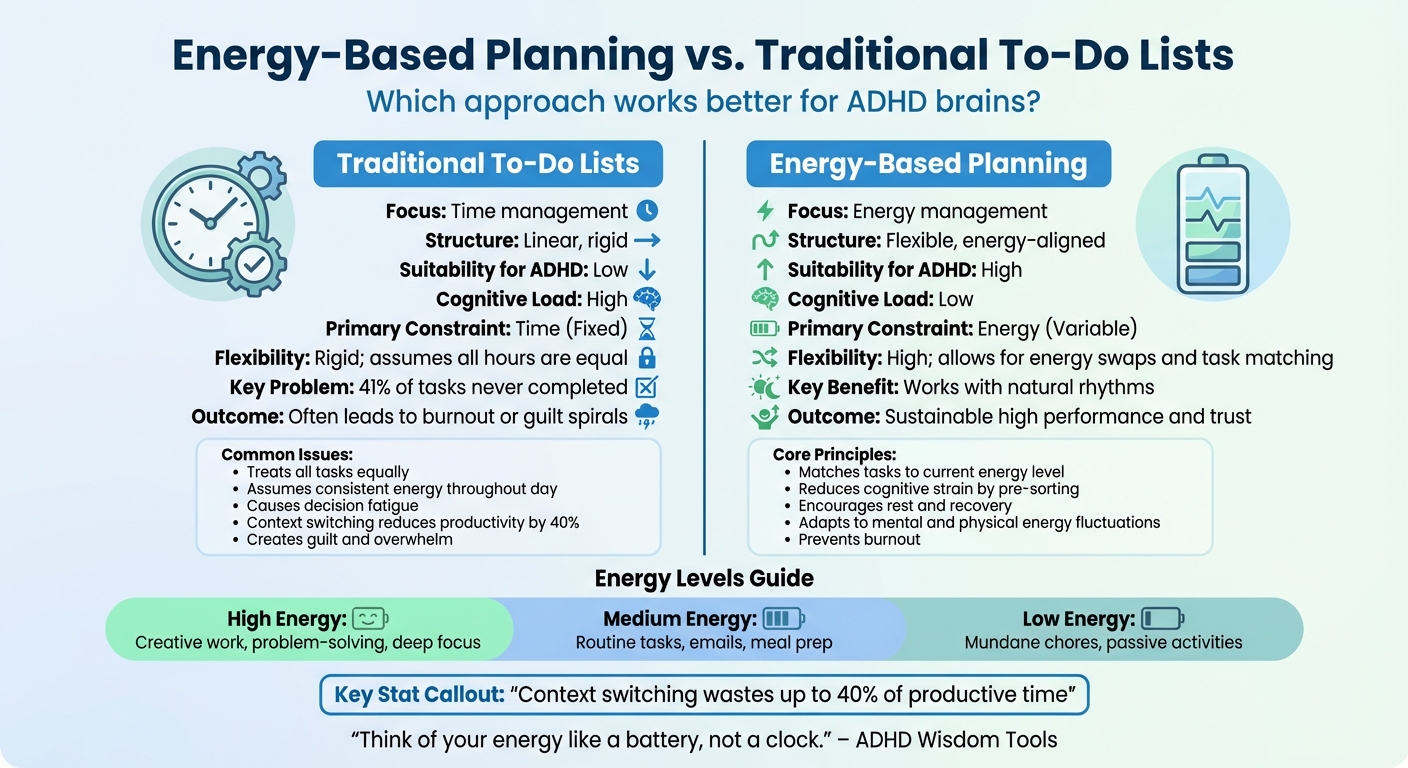
Energy-Based Planning vs Traditional To-Do Lists Comparison Chart
Exhausted by Your Schedule? The Energy-First Planning Method
sbb-itb-1b3be24
How Traditional To-Do Lists Work
Traditional to-do lists function like a mental inventory system - they’re meant to capture and track all your obligations, helping to clear mental clutter by "closing open loops". On the surface, jotting down tasks in sequence (e.g., "Buy groceries", "Finish quarterly report", "Email Sarah") seems like a great way to plan your day with ADHD. But while it creates the appearance of order, it doesn’t necessarily make the work easier.
One core issue is that traditional lists treat all tasks as if they’re equal. A quick email gets the same weight as a multi-hour project. Unlike calendars, which naturally limit your day to 24 hours, to-do lists lack time constraints. This often leads to underestimating how long things will take, a common pitfall known as the planning fallacy. They also assume you’ll have unlimited energy and motivation, ignoring the reality that productivity ebbs and flows throughout the day.
For those with ADHD, this structure can be particularly unhelpful. ADHD brains are wired to respond to interest rather than importance. If a task doesn’t spark enough interest or generate a dopamine boost, even starting it can feel like climbing a mountain. These inherent flaws in traditional to-do lists set the stage for some common challenges.
Common Problems with Traditional To-Do Lists
Here’s a surprising stat: 41% of to-do list items are never completed. Why? One major culprit is decision fatigue. Productivity writer Harby Mosquera explains it well: "When confronted with too many options, [the prefrontal cortex] essentially freezes. Instead of prioritizing and executing, it spins its wheels trying to evaluate every possibility simultaneously". This isn’t laziness - it’s your brain feeling overwhelmed.
Another issue is how traditional lists lump together wildly different types of tasks. Creative work might sit right next to administrative chores, or deep-focus tasks might be listed alongside quick emails. This constant context switching can tank productivity by up to 40%. And after an interruption, it takes an average of 23 minutes to fully refocus - an even steeper challenge for individuals with ADHD.
Then there’s the emotional toll of the "guilt list." As incomplete tasks pile up, they can become a source of shame or overwhelm. This phenomenon is tied to the Zeigarnik Effect, which explains how unfinished tasks create mental tension that lingers until they’re completed. On top of that, our brains are wired for completion bias - a tendency to chase quick wins for a dopamine boost. This often means tackling easy, low-priority tasks while the more complex, high-impact work gets sidelined.
What Is Energy-Based Planning?
Energy-based planning shifts the focus of productivity from managing time to managing energy. It recognizes that energy, not hours, is the true limiting factor - especially for neurodivergent individuals like those with ADHD. You may have eight hours available, but your ability to focus, stay motivated, and think clearly often fluctuates. As ADHD Wisdom Tools explains:
"Think of your energy like a battery, not a clock."
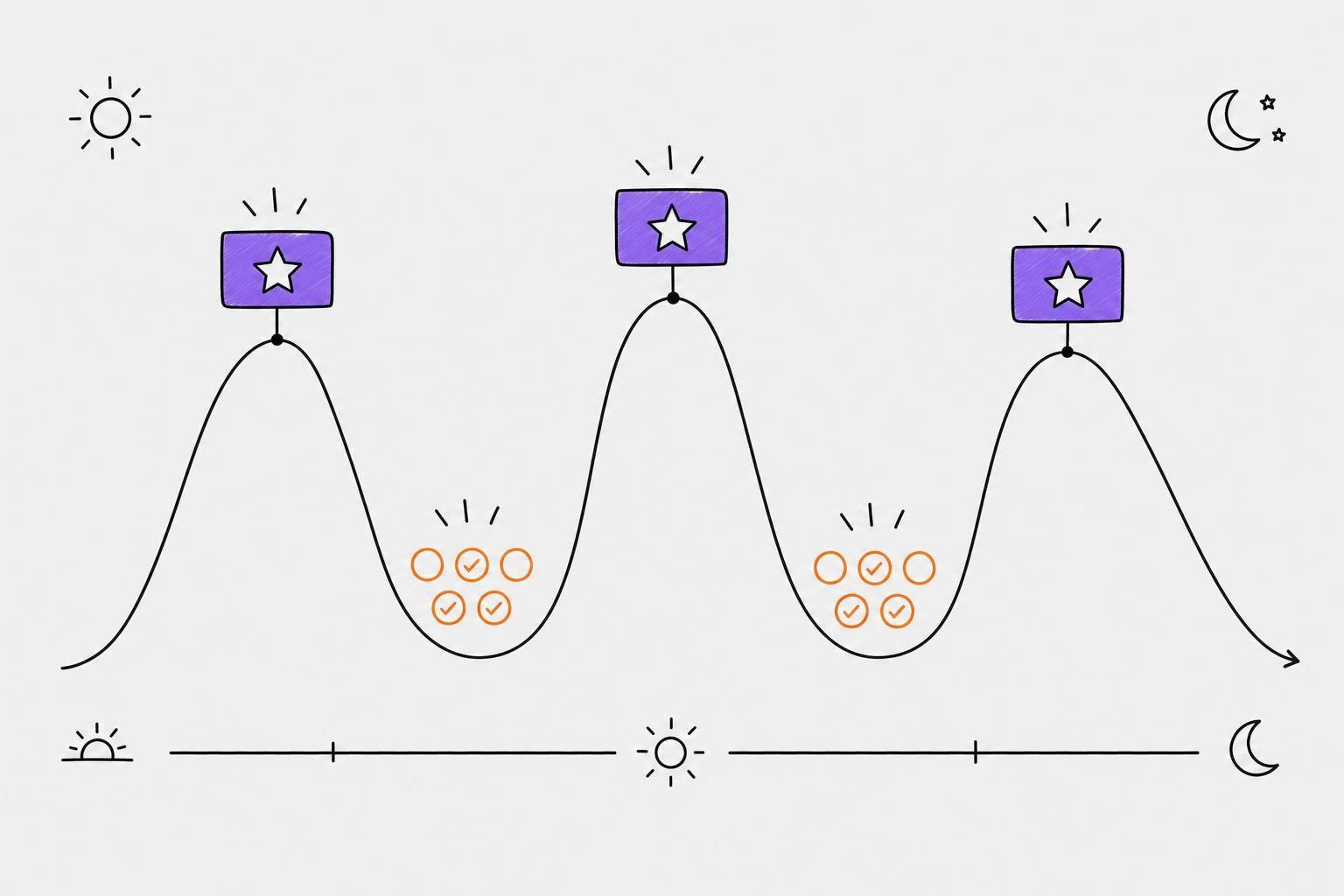
This strategy organizes tasks based on the energy they require. Tasks are typically divided into High Energy (creative work, problem-solving, deep focus), Medium Energy (routine tasks like emails or meal prep), and Low Energy (mundane chores or passive activities). The idea is simple: assess your current energy level and choose tasks that align with it.
For individuals with ADHD, whose energy and focus levels are often inconsistent due to irregular dopamine release, this approach can be transformative. It acknowledges the cognitive-energetic challenges they face, such as the "Hyperfocus Hangover" - a crash following intense focus periods. Instead of fighting these natural energy cycles, energy-based planning works with them.
Core Principles of Energy-Based Planning
Energy-based planning is built on three key principles:
1. Task-Energy Alignment
This means matching tasks to your current energy level. For example, if you're mentally drained, tackling a simple chore instead of forcing yourself to work on a complex project isn't procrastination - it's strategic. By doing this, you ensure your efforts are productive without unnecessarily depleting your energy.
2. Energy Self-Awareness
Understanding your energy patterns is crucial. By tracking your focus and motivation on a scale (like 1–10) throughout the day, you can pinpoint when you're at your best and when you're likely to hit a slump. For instance, you might notice that you're most focused between 9:00 AM and 11:00 AM, dip after lunch, and regain some energy later in the day. Research also suggests pacing yourself - doing about two-thirds of what you think you're capable of - to avoid burnout and maintain steady productivity.
3. Reducing Cognitive Overload
Planning tasks during high-energy moments can save you from decision fatigue later. By pre-categorizing tasks, you avoid wasting mental energy figuring out what to do when you're not at your best. As Lynne Edris, a Productivity & ADHD Coach, puts it:
"You don't have to 'fix' your brain - you just need to work with it."
Energy-Based Planning vs. Traditional To-Do Lists
The key difference between these two approaches lies in what they view as the limiting factor: time versus energy. Traditional to-do lists operate on the assumption that time is fixed and all hours are equally productive. In contrast, energy-based planning acknowledges that energy fluctuates and is the real limiter of productivity.
Traditional methods rely on rigid time blocks, treating every hour as interchangeable. Energy-based planning, however, adapts to your mental and physical energy levels. As productivity expert Renée Fishman explains:
"Time management is energy management in disguise."
This method focuses on identifying your "energy windows" and pairing them with a curated list of tasks. For individuals with ADHD, this is especially helpful because energy levels can shift rapidly. Instead of sticking to a fixed schedule, you ask yourself: "What energy do I have right now?" and choose tasks accordingly.
Why Energy-Based Planning Reduces Cognitive Strain
Research highlights that context switching can waste up to 40% of productive time. Traditional to-do lists add to this issue by requiring constant micro-decisions about which task to tackle next. This decision-making process drains mental energy, especially when you're already fatigued. Energy-based planning eliminates much of this burden by pre-sorting tasks into categories based on energy levels. This way, you conserve mental bandwidth and avoid decision fatigue.
Comparison Table: Key Differences
| Aspect | Traditional To-Do Lists | Energy-Based Planning |
|---|---|---|
| Primary Constraint | Time (Fixed) | Energy (Variable) |
| Structure | Linear, clock-based, time blocks | Cyclical, rhythm-based, energy zones |
| Flexibility | Rigid; assumes all hours are equal | High; allows for "energy swaps" and task matching |
| ADHD Suitability | Low; high friction and executive load | High; reduces decision fatigue and guilt |
| Cognitive Load | High; demands frequent micro-decisions | Low; matches task difficulty to bandwidth |
| Outcome | Often leads to burnout or "guilt spirals" | Sustainable high performance and trust |
Benefits of Energy-Based Planning for ADHD Individuals
For people with ADHD, productivity thrives on bursts of interest and dopamine. This is why focusing on energy, rather than time, can be a game-changer. Energy-based planning embraces the natural ebb and flow of energy levels, turning those cycles into an advantage. ADHD brains often experience sudden periods of hyperfocus at unpredictable times, and this method works with that reality instead of against it. By aligning tasks with energy levels, it creates a clearer and more manageable path to productivity.
Pairing tasks with your current energy level reduces the stress of overwhelming to-do lists and minimizes decision fatigue. When your brain is firing on all cylinders, you can tackle complex or demanding tasks. On the flip side, when your energy dips, you can shift to easier, less demanding activities.
Another key benefit is the inclusion of recovery time. ADHD brains burn through cognitive energy quickly, thanks to constant self-regulation and emotional processing. Energy-based planning acknowledges rest as a necessity, not a luxury. Short breaks - like a two-minute breathing exercise or a quick stretch - help recharge your mental energy and prevent overstimulation. As Lud Kowalski from ADHD Wisdom Tools aptly puts it:
"Rest isn't a reward - it's refueling."
The Energy Exit strategy builds on this idea by encouraging you to stop working while you still have about 10% of your energy left. This approach leaves you with a positive association with tasks, making it easier to pick them up again later. Traditional to-do lists, by contrast, often push you to work until you're completely drained, which can lead to avoidance and guilt. Energy-based planning not only boosts task performance but also promotes a more balanced and sustainable workflow.
How Energy-Based Planning Builds Consistency
Consistency grows when small wins reinforce your trust in this approach. Successfully matching a high-energy task to a moment of peak mental clarity sends a powerful message to your brain: this method works. Taking breaks before hitting burnout also helps you avoid the shame and frustration that can come from crashing mid-task. As Lynne Edris, a Productivity & ADHD Coach, explains:
"You don't have to 'fix' your brain - you just need to work with it."
This shift from time-focused to energy-focused planning also removes the guilt tied to low-energy periods. For instance, feeling sluggish in the afternoon isn't a personal failing - it's simply a biological reality. Energy-based planning respects these natural rhythms, adjusting to them rather than forcing you into a rigid, traditional schedule. The result is a workflow that feels more sustainable and less like a constant uphill battle with your own mind.
How Calma Supports Energy-Based Planning
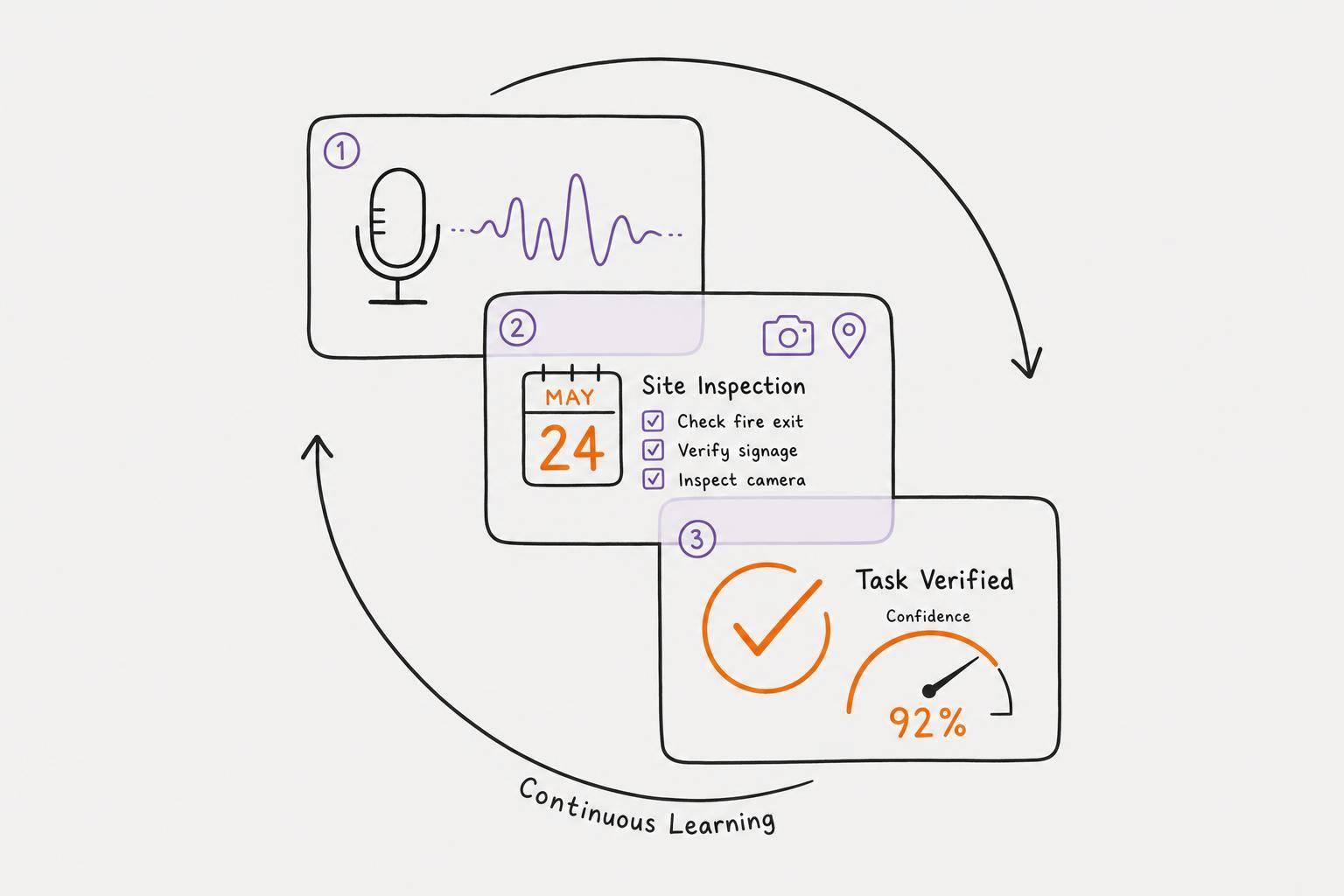
Calma is an AI-driven planning tool specifically designed for individuals with ADHD who struggle with traditional methods of organizing tasks. Instead of relying on lengthy to-do lists, Calma transforms your spoken thoughts into structured, prioritized tasks in just 10–15 seconds. By analyzing your recordings, the AI identifies deadlines and urgent tasks, making it easier to get started without the usual hurdles.
As Sarah M., a freelance designer, shares:
"Being able to just talk and have the AI sort my messy brain dump into tasks is life-changing. It removes all the friction of getting started."
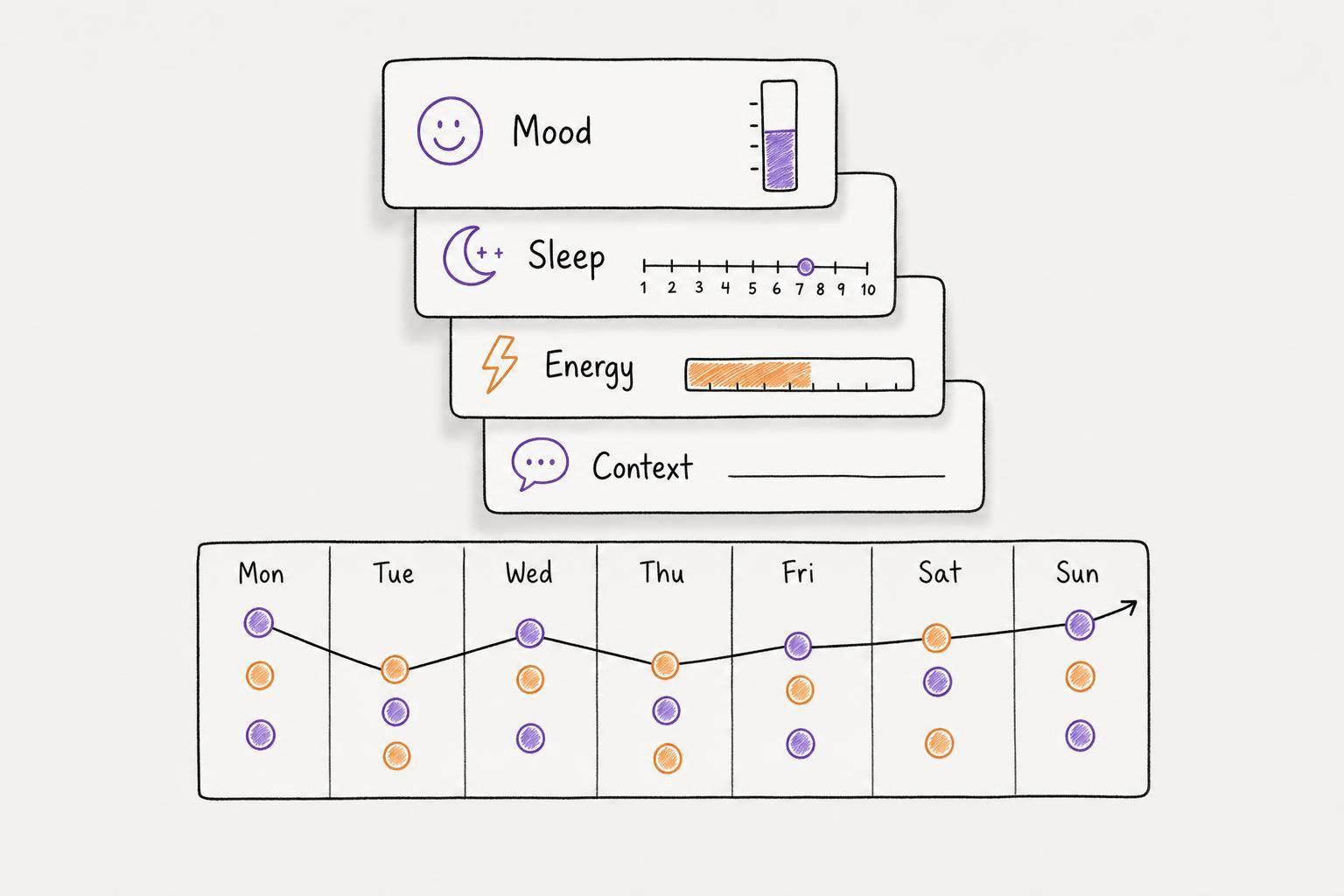
Calma also incorporates mood and energy tracking, which is key for energy-based planning. By analyzing emotions like stress, joy, or calm in your voice journals, the app uncovers trends in your energy levels. This allows it to prioritize tasks based on your natural energy cycles - assigning focus-heavy tasks for high-energy moments and simpler tasks for when your energy dips. This thoughtful alignment ensures that your workload matches your energy levels, making productivity feel more natural.
The app also features a visual habit tracking system that reinforces positive behaviors. Marcus L., a software engineer, highlights:
"The dark, minimalist interface is exactly what I need to stay focused. I love the pixel habit grid - it gives me that instant motivation to maintain streaks."
By taking over key executive functions, Calma minimizes the need for constant willpower, streamlining the entire process.
Using Calma to Implement Energy-Based Planning
Calma builds on the principles of energy-based planning, helping you match tasks to your energy levels. Start by using the voice capture feature whenever you have tasks, ideas, or concerns. The AI will then organize these recordings into actionable tasks, complete with due dates and priority levels. Once your task list is ready, you can sort tasks based on energy demands. The mood tracking feature further supports this process by helping you recognize patterns - like when you're most alert or when you feel mentally drained. For example, if you notice anxiety tends to spike during low-energy afternoons, it might signal the need for extra downtime.
Calma's Pro Features and Pricing
For those looking to deepen their energy-based planning, Calma offers a Pro plan with advanced features. You can choose between two subscription options: $2 per week or $39.99 per year. The Pro plan includes unlimited habit tracking (the free version limits you to three habits), home screen widgets for quick habit logging, and enhanced AI planning tools with calendar integration. These features allow you to monitor habits like sleep, exercise, meal timing, and breaks - ensuring your planning stays in sync with your energy levels. With widgets providing easy access to habit streaks and upcoming tasks, you can reserve high-energy moments for your most demanding work.
Conclusion
Traditional to-do lists often assume that all hours of the day are equal. But for ADHD brains, the real challenge isn't time - it's energy. Energy-based planning flips the script by focusing on the question, "What energy do I have right now?". This shift from managing time to managing energy aligns with how ADHD brains naturally function, paving the way for a more balanced and effective approach to productivity.
By matching the intensity of tasks to your current energy level, this method helps sidestep burnout. As Lud Kowalski from ADHD Wisdom Tools explains:
"Energy → Focus → Productivity."
This strategy also avoids the low-motivation "invisible wall" that can make traditional planning methods feel impossible.
Calma takes this concept further by simplifying the process. It converts voice recordings into prioritized tasks, reducing manual work, while mood tracking helps uncover your natural energy patterns. For US users, Pro features like unlimited habit tracking and calendar integration are available for $2 per week or $39.99 per year, making it easier to align your planning with your energy levels.
To get started with energy-based planning, try conducting an energy audit. Over a few days, track your focus levels three to four times daily to identify when your energy peaks and dips. Then, create an "energy menu" by grouping tasks into high, medium, and low-energy categories. This way, you’ll always have tasks that match your current state. Experiment with flexible energy windows instead of rigid time blocks, and adjust your schedule as needed. This approach allows ADHD brains to work with their natural rhythms, not against them.
FAQs
How do I figure out my energy highs and lows?
To better understand your energy highs and lows, start by observing your natural daily rhythms. Notice when you feel sharp and focused versus when fatigue starts to creep in. Before diving into a task, ask yourself: "What do I have the energy for right now?" This simple question can guide your efforts more effectively. Keeping a journal or using tools to track your energy patterns over time can reveal trends, helping you match tasks to your peak energy levels and boost productivity.
How do I sort tasks into high, medium, and low energy?
The energy tagging method is a simple way to organize tasks based on how much energy they demand. Here's how it works: assign each task a tag - high, medium, or low - depending on the effort it takes to complete. This approach allows you to match tasks to your natural energy levels throughout the day.
For example, tackle high-energy tasks when you're feeling most alert and save low-energy ones for when your energy dips. By aligning tasks with your current state, you can manage your workload more effectively and avoid feeling overwhelmed.
What should I do when my energy crashes mid-task?
If you find your energy dipping in the middle of a task, take a moment to assess how you're feeling before pushing forward. It's more effective to manage your energy levels than to force yourself to concentrate when you're drained. A quick break to recharge can make a big difference, helping you come back to your work with better focus and productivity.