Brain Breaks vs. Long Rest: What Works for ADHD
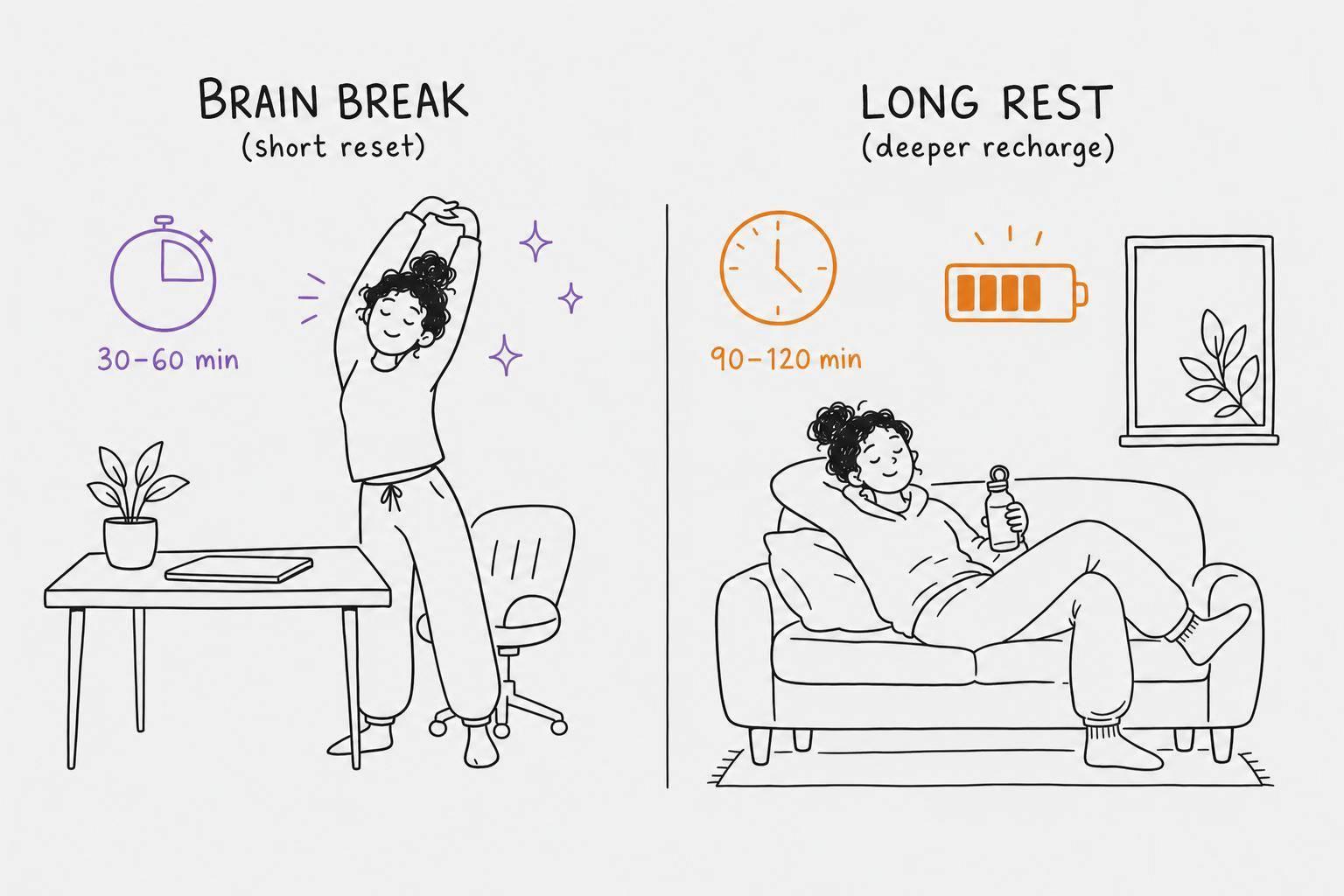
If you have ADHD, the best rest depends on why your focus is slipping. A short brain break helps when attention drops but the task is still within reach. A longer rest helps when your mind feels worn out, foggy, or tense.
Here’s the short answer:
- Use brain breaks for fast focus reset during work with ADHD task management apps
- Use long rest for deeper recovery after mental strain
- Take short breaks every 30 to 60 minutes
- Take longer rest after 90 to 120 minutes of steady effort
- Skip high-input breaks like social media if they make it hard to return
- Pick the smallest pause that fixes the problem
One stat stands out: performance on sustained attention tasks can drop by more than 50% in 30 minutes. Another: 2-minute movement breaks every 30 minutes left workers feeling 50% more energized by day’s end.
ADHD Rest That Actually Feels Restful ✨
sbb-itb-1b3be24
Quick Comparison
| What it is | Brain break | Long rest |
|---|---|---|
| Main job | Reset attention | Recover mental and emotional energy |
| Best length | 30 seconds to 10 minutes | 20 to 60+ minutes |
| Best time to use it | Mid-task, when you start drifting | After long focus blocks or when you feel drained |
| Good examples | Stretch, breathe, step outside, cold water | Walk, meal away from desk, nap, quiet time |
| Bad sign | You come back with more friction | You use it to avoid returning at all |
My takeaway is simple: brain breaks keep me going; long rest helps me come back clear. If a 5- to 10-minute pause sharpens focus, that’s enough. If I still feel flat, irritated, or stuck, I need more than a reset.
That’s the frame I’d use before reading the full piece.
Brain Breaks: Best for Resetting Focus During Tasks
How short breaks help the ADHD brain keep going
A short break can step in before focus falls apart. In many cases, 5 to 10 minutes is enough to reset attention without making it tougher to start again. One study found that workers who took 2-minute movement breaks every 30 minutes felt 50% more energized by the end of the day than people who stayed seated the whole time.
That matters for ADHD. A break isn't something you earn after the work is done. It's part of doing the work.
What makes a break helpful instead of distracting
Not every break helps in the same way. The best ones tend to be low-stimulation: a short walk, a stretch, a few slow breaths, or a minute spent looking outside. These give your brain a chance to settle, which makes re-entry smoother.
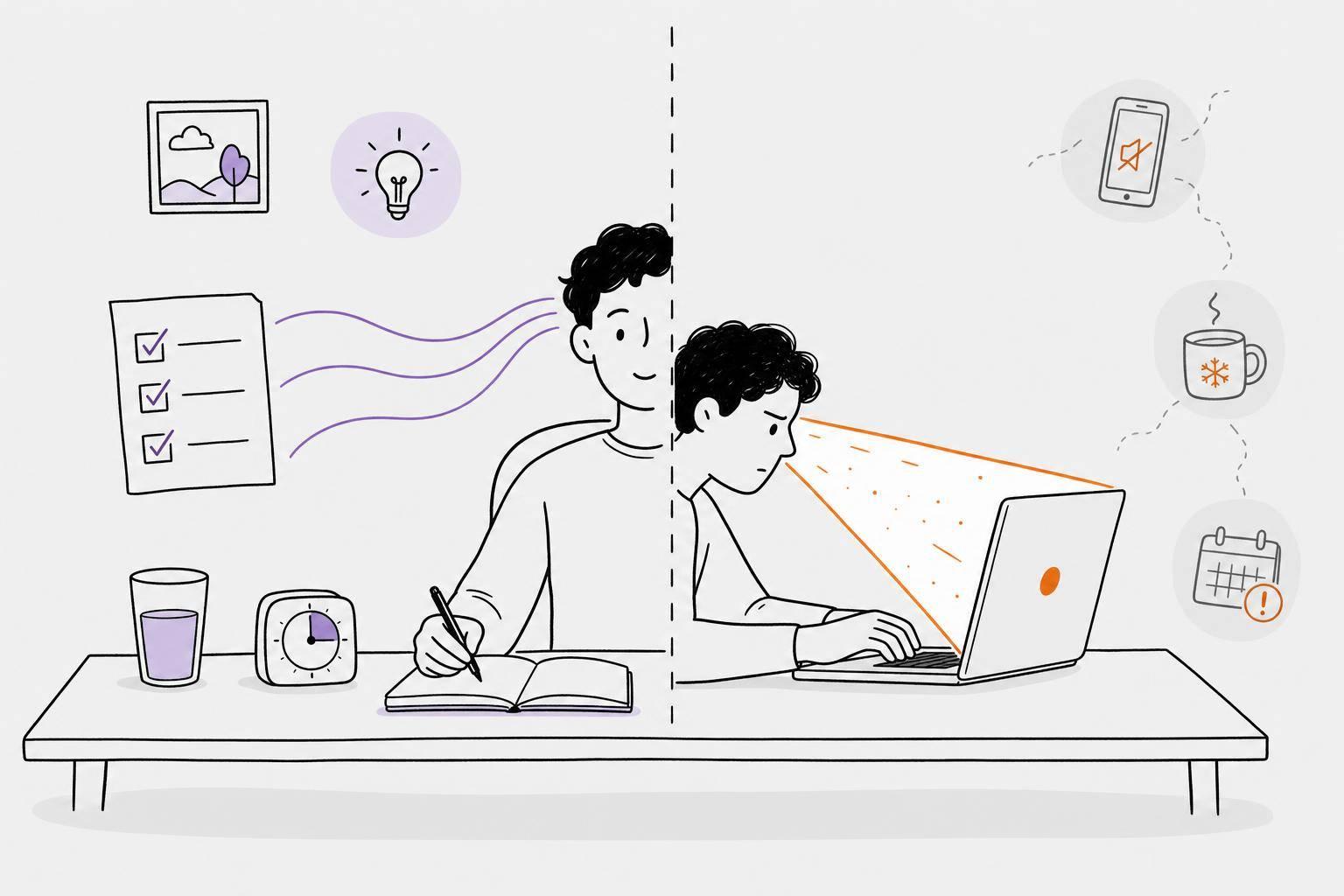
High-stimulation breaks can do the opposite. Social media is the classic example. It pulls your attention in, then makes switching back feel like dragging a heavy cart uphill.
If you've been locked on a screen, change the input. Move your body or look into the distance so your eyes and attention can reset at the same time.
The simplest test is this: can you come back without friction?
How Calma can support fast recovery between work blocks
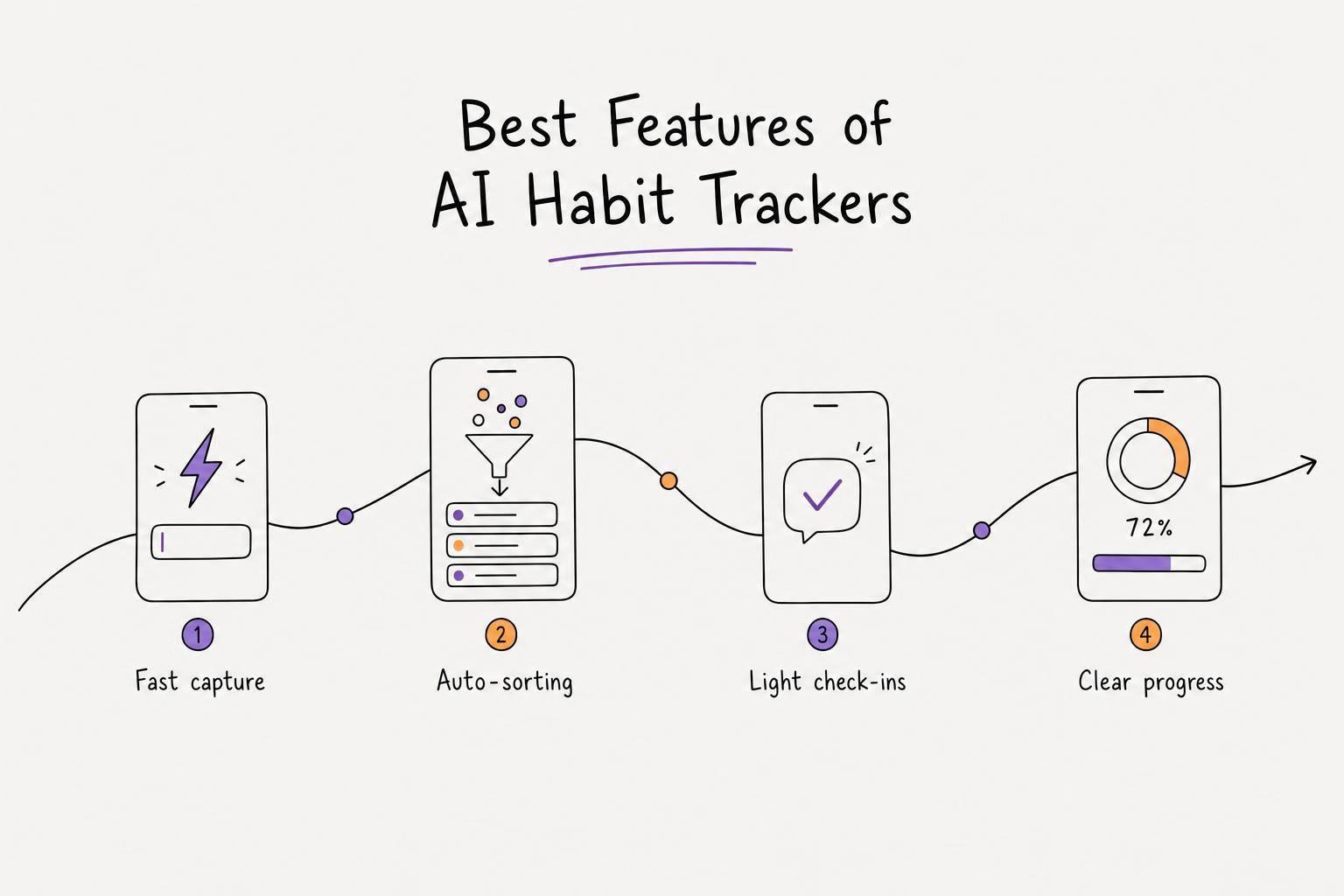
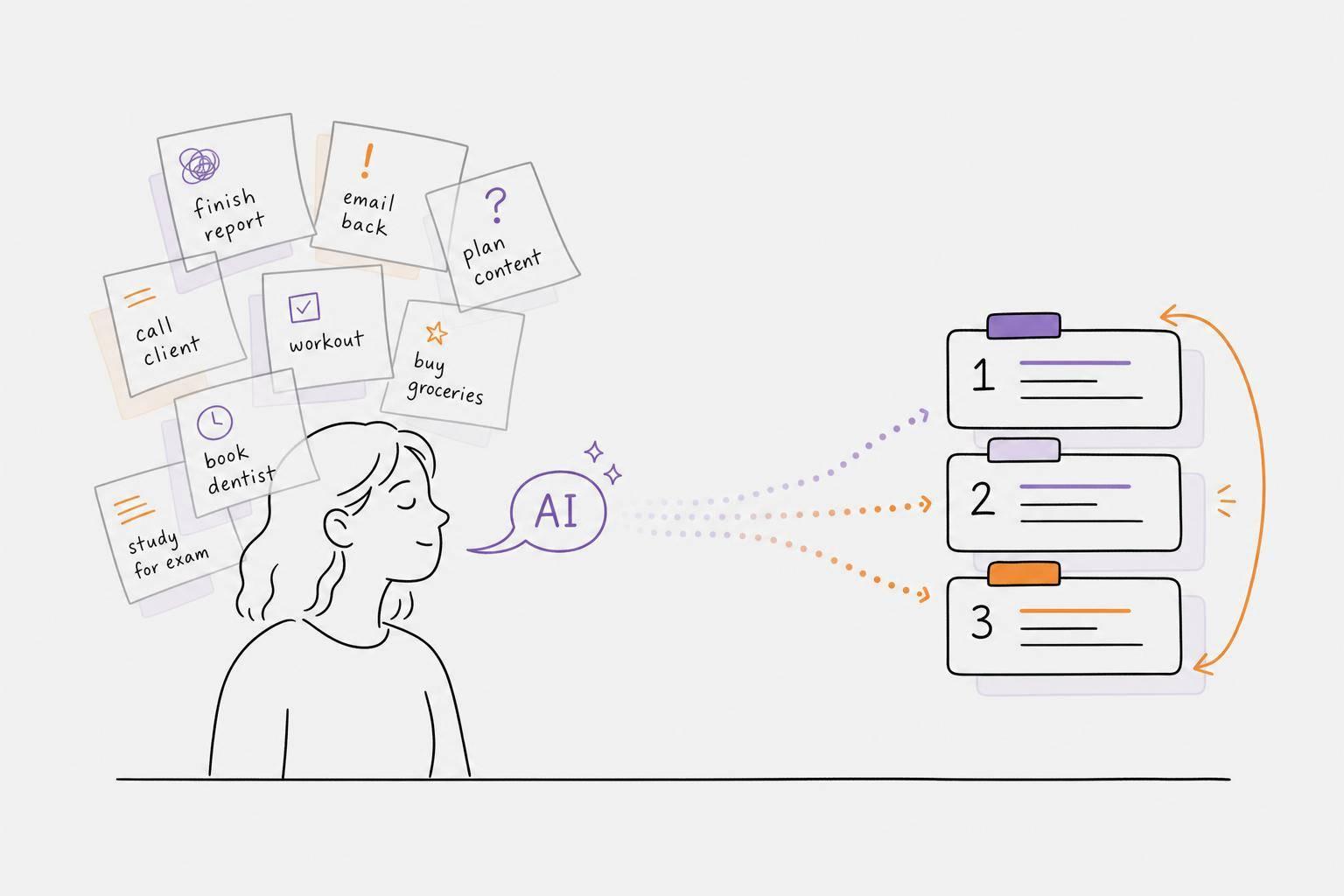
One of the biggest sticking points after a brain break isn't the break itself. It's the moment you try to restart. Calma can save your next step before you pause, so you don't have to figure it out from scratch when you come back.
When a break stops helping, that's usually a sign the brain needs longer rest.
Long Rest: Best for Deeper Recovery and Burnout Prevention
Long rest cuts down the load that comes from masking, sensory input, and decision fatigue. If a short break leaves you feeling foggy, the issue usually isn't focus. It's recovery.
What longer rest restores that short breaks cannot
After about 90 to 120 minutes of sustained focus, brain performance can start to dip, even if you haven't noticed it yet. That's where a quick break can fall short. Long rest gives your brain time to recover, not just stop for a minute.
It can support memory consolidation and help bring back verbal fluency, emotional regulation, and clear thinking after overload. It also creates room for quiet mental recovery and idea formation.
The kind of rest matters. Different kinds of fatigue tend to respond to different things:
- Cognitive fatigue - the muddy, slow-thinking kind - often improves with active rest, like walking
- Attentional fatigue often responds better to passive rest, like time in nature or a short nap
- Emotional fatigue may call for a social break
How to tell rest from avoidance
A good gut check is simple: do you feel clearer and more settled afterward? Rest usually leaves you calmer and more grounded. Avoidance often feels numb or shut down, more like escape than recovery.
It helps to set an end point before you begin. Use a timer, close your laptop, and step away from work cues fully. That's what helps your brain leave task mode. If you check email or Slack during that time, you interrupt the reset.
How Calma can help make long rest more consistent
Long rest tends to work better when it's visible and protected in your plan. Calma can place rest windows on your planner and help you see which routines actually support recovery.
A few rest activities often work well for ADHD:
- Nature walk (15–30 min): Can reduce mental fog and boost creativity
- Short nap or deep rest (20–90 min, early afternoon): Supports memory consolidation and emotional recovery
- Creative hobby (30+ min, post-work): Activates quiet recovery and can reduce emotional exhaustion
The next step is matching the type of fatigue to the right kind of rest.
Brain Breaks vs. Long Rest: When Each Works Best
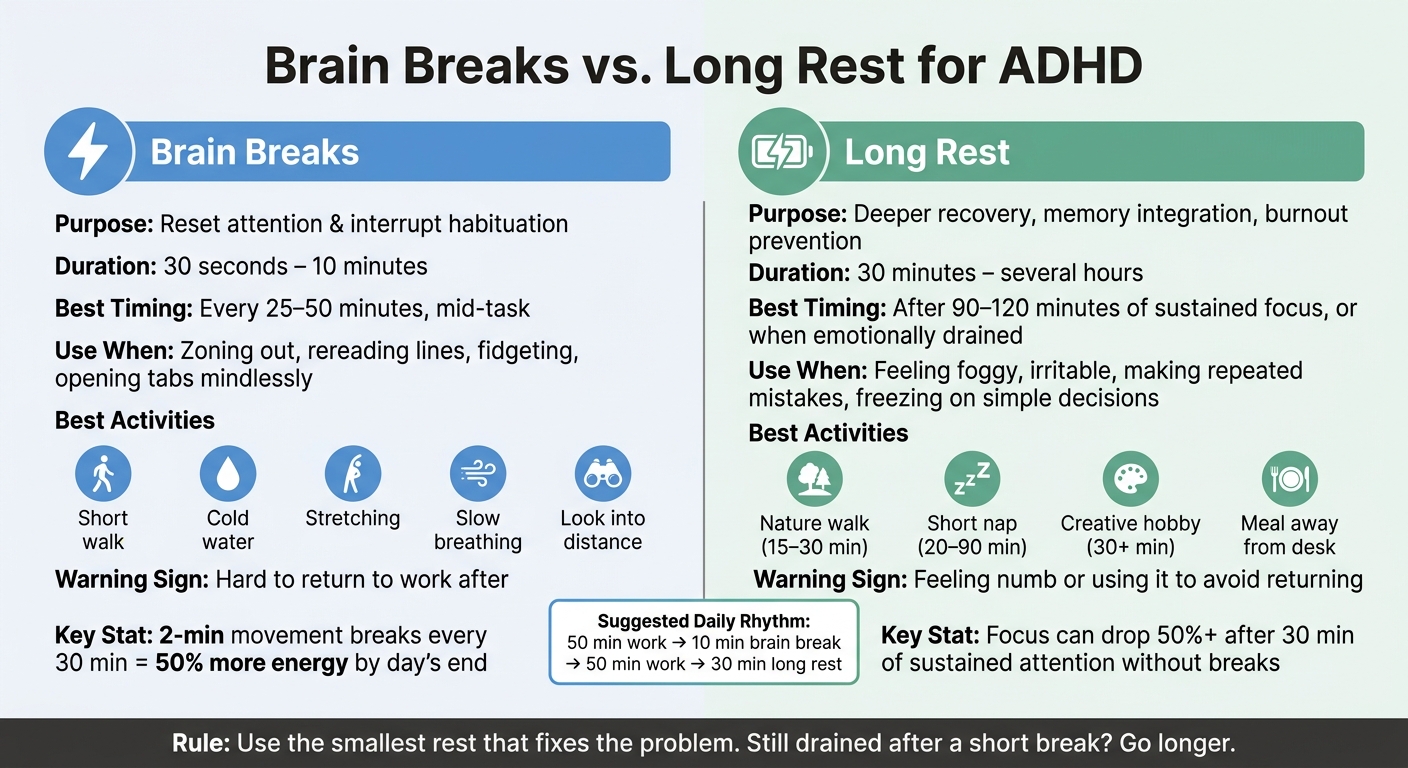
Brain Breaks vs. Long Rest for ADHD: Quick Reference Guide
Once you know the difference, the next step is simple: match the break to your energy level. Match the rest to the problem. Brain breaks and long rest help with different things, so the goal is to use the one that fits the state you're in.
Use brain breaks when attention is slipping but the task is still doable
This is the moment when you start zoning out, rereading the same line, or opening a new tab without even thinking about it. Your body may feel jumpy too: tapping, clicking, shifting in your chair. Usually, that means your attention needs a reset, not full recovery.
Short breaks help because they interrupt habituation before your focus drops all the way. The best kind of short break is one that gets you back to work with less drag. In most cases, the shortest break that brings back momentum is enough. A quick stretch, cold water, or a few minutes outside can do the job.
Use long rest when your brain feels drained or emotions are rising
Sometimes a reset doesn't cut it. When that happens, the problem is no longer focus - it's recovery.
That's a different state entirely. You're not just drifting. You may feel irritation building, repeat the same mistake twice, or get stuck on a simple choice and just freeze. That's usually the point where short resets stop helping much. What your brain needs then is deeper recovery, not another quick pause.
Brain breaks vs. long rest: a side-by-side comparison
| Dimension | Brain Breaks | Long Rest |
|---|---|---|
| Purpose | Reset attention and interrupt habituation | Deeper recovery, memory integration, and burnout prevention |
| Typical Duration | 30 seconds to 10 minutes | 30 minutes to several hours |
| Best Timing | During tasks, every 25–50 minutes | After 90 to 120 minutes of sustained focus, or when emotionally drained |
| Main Benefits | Maintains stamina, prevents mental crashes, boosts vigor | Clears mental backlog and supports emotional regulation |
| Ideal Activities | Stretching, cold water, a few minutes outside | Nature walk, nap, quiet screen-free time, hobby time |
If you want to use both in one rhythm, try 50 minutes of work, 10 minutes of reset, 50 more minutes, then 30 minutes of long rest.
Use this split to choose the smallest rest that fixes the problem.
Conclusion: Build a Rest Rhythm That Uses Both
Brain breaks and long rest aren't competing strategies. They fix different problems. Short breaks reset attention while you're in the middle of a task. Longer rest helps with deeper recovery and lowers the risk of burnout. You need both. The trick is knowing which one fits the moment.
Use that gap to build a simple daily rhythm.
Start with short breaks every 30–60 minutes, then add one 20–30 minute recovery block later in the day. That setup can help you step away before you hit the wall.
Then pay attention to how you feel, not just what the clock says. If a short break leaves you sharper, it did its job. If you still feel drained, flat, or irritable, go for deeper rest instead.
If you want a practical tool to help this become a habit, Calma lets you log energy and mood by voice, so you can spot patterns without adding mental effort.
FAQs
How do I know if I need a brain break or real rest?
It depends on how you feel.
A short brain break can help when you need a quick reset. It can bring back focus, steady your emotions, and help you stay engaged.
Go with a longer rest if you feel numb, disconnected, or overwhelmed. Real rest should help you feel more like yourself and more ready to reconnect - not just zone out or hide from what’s going on.
What if short breaks make it harder to refocus?
If short breaks make it harder to refocus, they may just be too short or not restful enough for you. A break that’s rushed, awkwardly timed, or spent half-thinking about work may not give your mind enough space to reset. And when that happens, getting back on task can feel harder, not easier.
In that case, a 5- to 10-minute break may work better. That tends to give you a bit more room to step away and come back with a clearer head, especially if you add some movement or do something that feels mentally calm.
It also helps to try a few different break lengths and activities. What works for one person may fall flat for someone else, so a little testing can go a long way.
What kind of break works best for ADHD?
For people with ADHD, short, frequent breaks often work best. They can help you stay focused without running yourself into the ground.
Micro-breaks, from 30 seconds to 5 minutes, can reset attention, ease emotional overload, and cut down fatigue. They’re small, but they often do a lot of heavy lifting.
Longer breaks of 5 to 10 minutes can help too, especially if they include movement or some kind of sensory input. A quick walk, stretching, or even stepping away from noise for a minute can make a difference.
Breaks in the 15 to 30 minute range are usually better for deeper recovery. That said, they tend to be less useful for routine focus sessions, where the goal is to keep momentum without losing your place.