Breaking Procrastination with Dopamine Triggers
Struggling to get started on tasks? It’s not just willpower - it’s brain chemistry. Procrastination happens when your brain favors quick dopamine rewards (like social media) over long-term goals that feel less immediately rewarding. Understanding dopamine’s role can help you work with your brain, not against it.
Here’s how you can use dopamine to beat procrastination:
- Start with small wins: Break tasks into 2–5 minute chunks to make them feel manageable.
- Trigger dopamine intentionally: Use quick activities like sunlight exposure, cold showers, or short physical exercises to boost motivation.
- Build healthy habits: Prioritize sleep, morning sunlight, and a tyrosine-rich diet to stabilize your dopamine levels.
- Pair effort with rewards: Immediately reward yourself after completing a task to reinforce progress.
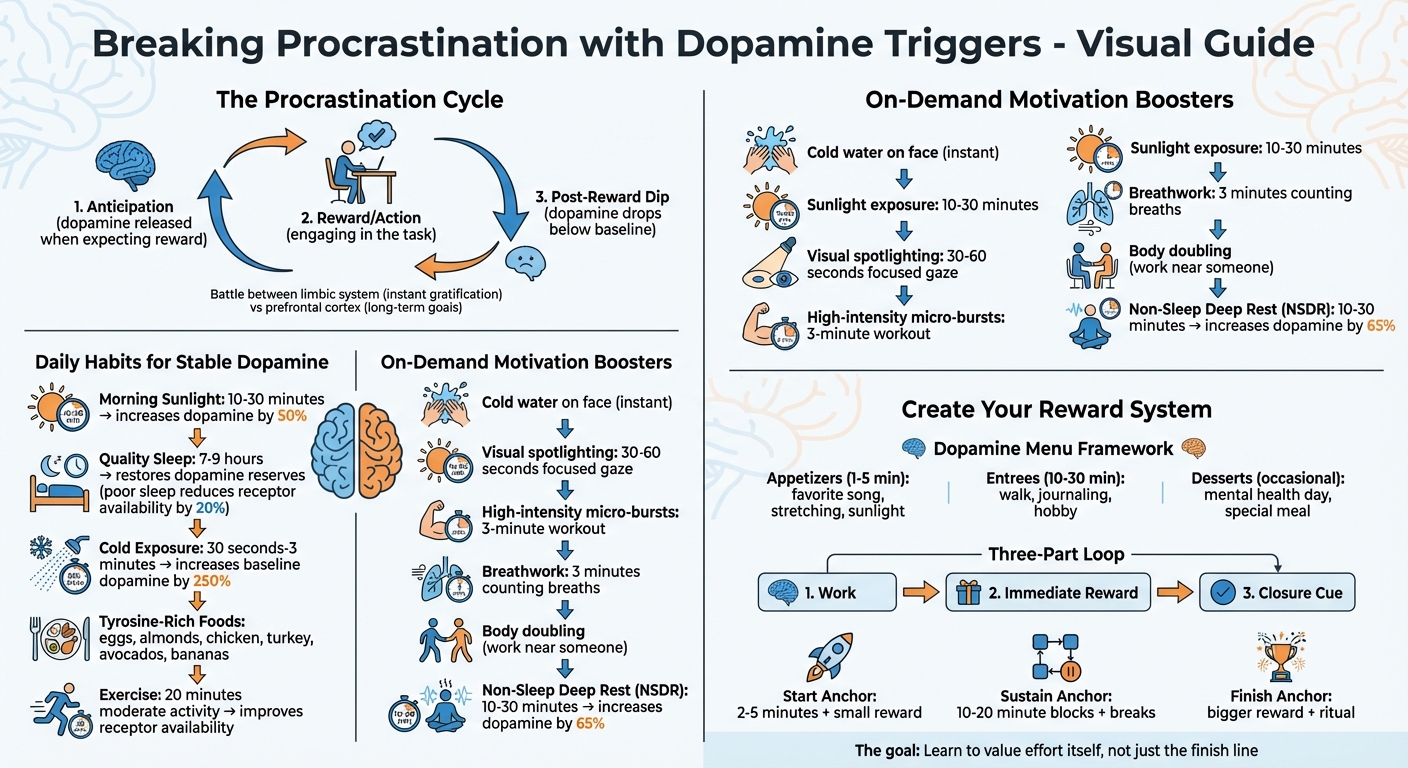
How to Beat Procrastination Using Dopamine: Daily Habits and Quick Reset Methods
The Science Behind Dopamine and Motivation
What is Dopamine and How Does It Work?
Dopamine isn’t just about pleasure - it’s more like your brain’s motivator-in-chief. Instead of being the "pleasure molecule", it works as a reward predictor, driving you to chase goals. When your brain expects a reward, dopamine kicks in, pushing you to act. Interestingly, the actual sense of pleasure comes from other neurochemicals, not dopamine itself.
"Dopamine is released in anticipation of a reward, driving you to pursue goals. The pleasure itself comes from other neurochemicals (like opioids)." – Brain Arcade
This process relies on a specific neural circuit. It starts in the Ventral Tegmental Area (VTA), where dopamine is released. Then, the Nucleus Accumbens takes over as the motivational hub, while the Prefrontal Cortex handles planning and decision-making. Together, these areas create the drive to act, especially when a task promises a clear and immediate reward. But when a task feels dull or the payoff seems far away, dopamine levels drop, often leading to procrastination.
Modern habits, like spending over seven hours a day on screens, complicate this system. Constant notifications and social media deliver tiny bursts of dopamine, which can lower your baseline levels over time. This makes starting tasks feel even harder.
How the Dopamine Cycle Works
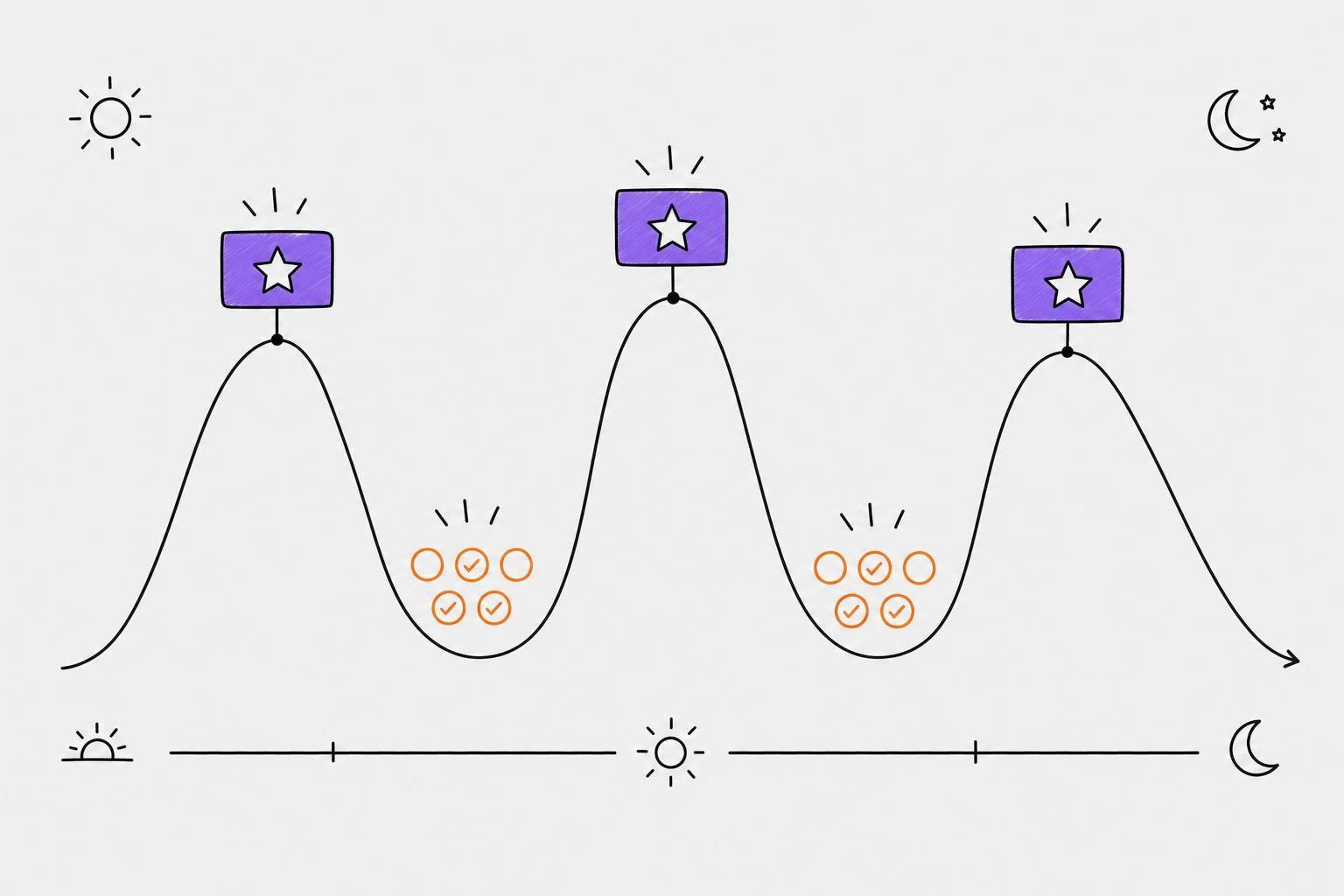
The dopamine cycle explains why you might scroll through your phone instead of tackling your to-do list. It has three main stages: anticipation (dopamine is released when you expect a reward); reward/action (you engage in the task); and post-reward dip (dopamine levels drop below baseline, which can sap motivation if the next reward isn’t immediate).
This cycle is a battle between two parts of your brain. On one side, the impulsive limbic system craves instant gratification. On the other, the rational prefrontal cortex focuses on long-term goals. When faced with tasks that offer delayed rewards, your brain often leans toward the limbic system, thanks to something called temporal discounting - basically, prioritizing quick wins over future benefits. This is why scrolling social media, with its instant dopamine hits, can feel more appealing than working on something meaningful.
Repeated exposure to these quick-reward activities can create a pattern of dopamine spikes followed by sharp drops in baseline levels. Over time, this makes tasks requiring sustained effort feel overwhelming before you even begin.
Here’s the upside: dopamine is flexible. By understanding how this cycle works, you can intentionally trigger dopamine through effort itself, not just by reaching the finish line. This shift can help you break out of the procrastination loop and make progress on more meaningful goals. Recognizing these patterns is the first step to using dopamine to your advantage.
sbb-itb-1b3be24
Procrastination Deconstructed - The Neuroscience and the Solution
Maintaining a Healthy Dopamine Baseline
To tackle procrastination effectively, it’s essential to stabilize your dopamine baseline. This starts with building consistent daily routines and prioritizing proper rest.
Daily Habits to Support Dopamine Regulation
When your dopamine levels are steady, daily tasks feel manageable. On the flip side, low dopamine can make even minor responsibilities feel daunting. The good news? Simple, consistent habits can help regulate your dopamine system and curb procrastination.
Start your day with sunlight. Spending 10–30 minutes in natural morning light triggers a dopamine cascade, prepping your brain for the day ahead. Dr. Andrew Huberman from Stanford University highlights this process:
"Viewing morning sunlight increases cortisol early in the day, which is excellent because it also sets in motion a dopamine-related cascade".
This habit can increase dopamine levels by as much as 50%.
Prioritize quality sleep. Aim for 7–9 hours of sleep each night. Sleep not only replenishes dopamine reserves but also maintains receptor sensitivity. Even one night of poor sleep can reduce dopamine receptor availability by about 20%. Dr. Huberman emphasizes:
"Getting sufficient amounts of quality sleep each night literally restores your dopamine reserves".
Keep your bedroom cool - between 60–68°F (16–20°C) - to support dopamine recalibration during sleep.
Nourish your body with the right foods. Your body needs tyrosine, an amino acid found in foods like eggs, almonds, chicken, turkey, beef, avocados, bananas, pumpkin seeds, and hard fermented cheeses, to produce dopamine. Pairing a tyrosine-rich diet with 20 minutes of moderate exercise can improve dopamine receptor availability.
Try cold exposure. A quick cold shower (30 seconds to 3 minutes) can increase your baseline dopamine by up to 250%, with effects lasting for hours. While it may feel uncomfortable at first, this practice can have a profound impact on your energy and focus.
These daily habits create a strong foundation for managing dopamine levels, making it easier to stay productive and focused.
Rest and Recovery to Replenish Dopamine
You don’t always need sleep to restore dopamine. Practices like Non-Sleep Deep Rest (NSDR) - which includes yoga nidra or guided relaxation - can increase dopamine reserves by up to 65% in just 10–30 minutes. These methods are particularly helpful during the midafternoon slump when energy dips.
NSDR sessions are easy to access (many are available on YouTube) and require only a quiet space and headphones. Incorporate these sessions after intense work or whenever your focus starts to waver to gently recharge your dopamine levels.
To protect your dopamine levels at night, avoid bright screens 60–90 minutes before bed and keep ambient lighting low between 10:00 PM and 4:00 AM. This helps prevent activation of the habenula, a brain region that can significantly reduce dopamine circulation.
Breaking Procrastination with Dopamine Triggers
Sometimes, getting started on a task feels impossible - especially when your brain isn't producing enough dopamine to push you into action. For those with ADHD, this is a common struggle. In fact, 75% of people with ADHD are chronic procrastinators. Harold Meyer, Founder of The ADD Resource Center, puts it this way:
"Understanding that task avoidance stems from brain chemistry rather than moral failing is often the first step toward developing strategies that actually work".
The key to overcoming this? Actively triggering dopamine release. By tapping into strategies that use interest, novelty, urgency, or challenge, you can push your brain past the point of inaction.
Using Discomfort-Based Activities
While consistent habits help stabilize dopamine levels over time, sometimes you need an immediate boost to break through procrastination. That’s where short-term, on-demand strategies come into play.
One surprising approach is to introduce brief discomfort before easing into the task. This can reset your dopamine levels and make starting feel less daunting. For example, taking a 1–3 minute cold shower can trigger a significant dopamine release. You don’t even need to jump straight into icy water - start with a warm shower and finish with 30 seconds of cold. That quick jolt can make the task you’re avoiding seem more doable.
Another method is high-intensity micro-bursts of physical activity. If you're stuck, set a timer for three minutes and challenge yourself to a quick workout - like five squats and pushups, adding one rep each round. Activities like dancing to an upbeat song or doing jumping jacks for just 60 seconds can also reset your motivation by releasing adrenaline and dopamine.
The "Liar's Timer" is another clever trick. Set a timer for just 5–10 minutes and give yourself permission to stop when it goes off. This small, manageable commitment can help you overcome the mental block of starting, and often, the momentum carries you forward.
Quick Dopamine Reset Methods
When procrastination hits out of nowhere, having a few quick fixes on hand can make all the difference. For instance, splashing cold water on your face, stepping outside into sunlight for 10–30 minutes, or even enjoying the aroma of coffee can provide a fast dopamine boost.
Another option is visual spotlighting. Focus your eyes on a single point for 30–60 seconds. This simple act can trigger neurochemicals that enhance alertness and focus.
Working near someone else - known as body doubling - can also help. Whether in person or virtually, the presence of another person working alongside you can create the structure you need to stay on task.
To avoid falling into the trap of "cheap dopamine" from scrolling social media, try creating a "Dopamine Menu." Write down 3–5 non-screen activities like stretching, doodling, watering a plant, or taking a short walk. Keep this list visible - on your phone’s lock screen or taped to your desk - so you have healthier alternatives at your fingertips.
Finally, energizing breathwork can serve as a simple ritual to kickstart your focus. Spend three minutes counting your breaths: inhale on "one", exhale on "two", and continue up to ten. Even a few deep breaths can signal to your brain that it's time to shift gears and get to work.
Creating Your Dopamine-Driven Action Plan
By tapping into the dopamine cycle, you can train your brain to associate productivity with rewards - even for tasks you typically avoid. The key is crafting a system that aligns dopamine triggers with your goals.
Finding Your Most Effective Triggers
Start by building a "Dopamine Menu" tailored to your preferences. This menu should categorize activities by the time and energy they require.
Here’s how you can structure it:
- Appetizers: Quick pick-me-ups (1–5 minutes). Think of actions like listening to a favorite song, stretching, or stepping outside for some sunlight.
- Entrees: Medium-length activities (10–30 minutes) that offer a deeper recharge. Examples include taking a walk, journaling, or getting creative with a hobby.
- Desserts: Bigger, less frequent rewards. These might include treating yourself to a mental health day or ordering from your favorite restaurant.
The idea is to match the reward to the difficulty of the task. For instance, pair a low-effort task like folding laundry with a simple reward like listening to a podcast. Save higher-value rewards, such as a special meal, for more demanding tasks like filing taxes. As Dr. Anoop Singh, a board-certified psychiatrist, puts it:
"Dopamine is more about 'wanting' than 'liking.' It makes us seek out rewarding experiences."
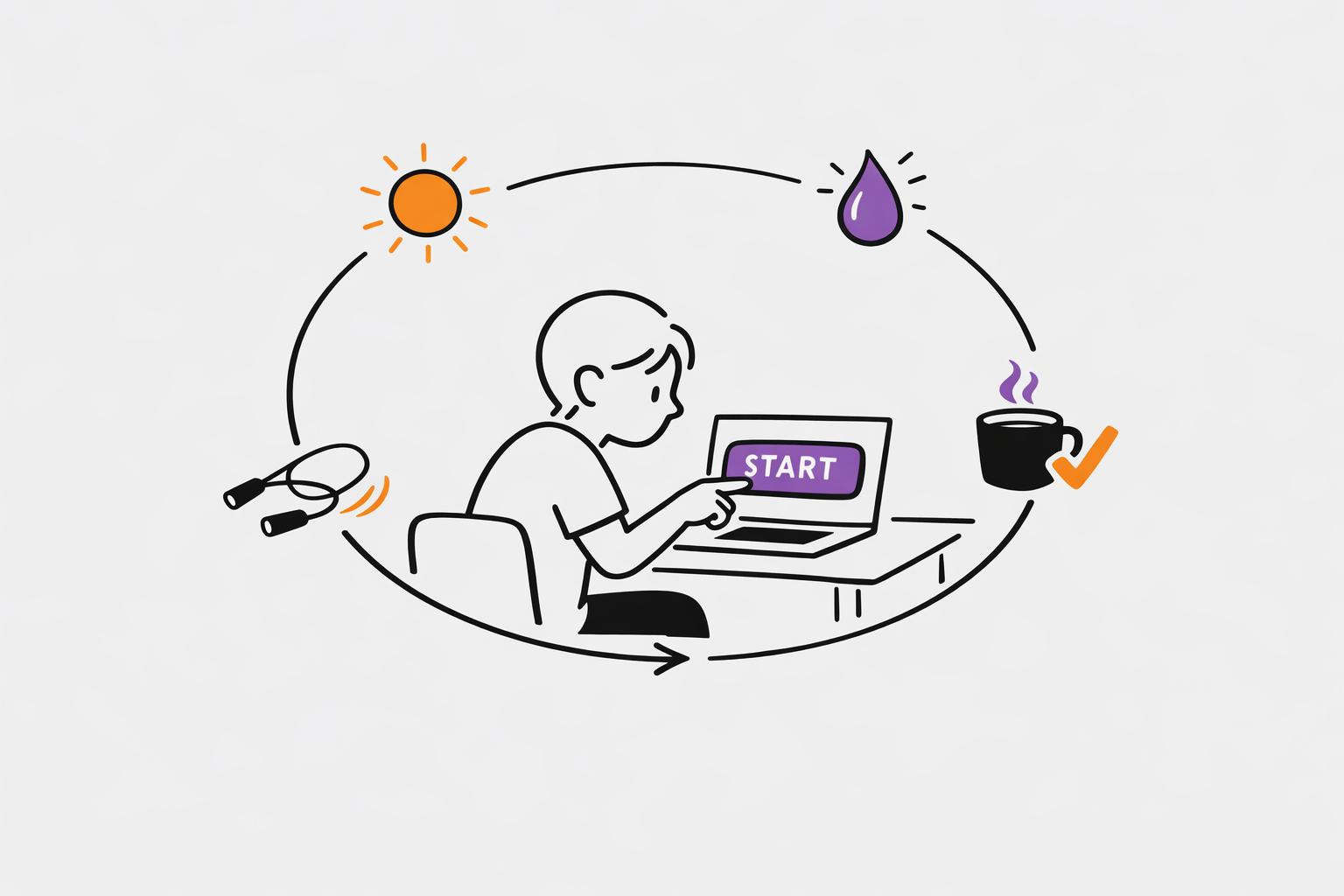
For tasks you find particularly hard to start, try using a "Start Anchor." This means committing to just 2–5 minutes of effort, paired with a small reward - like a sip of coffee - to signal to your brain that starting is manageable. Once you’ve begun, transition to "Sustain Anchors" (10–20 minute work blocks with short breaks). When it’s time to wrap up a project, use a "Finish Anchor" that includes a bigger reward and a clear end-of-task ritual.
Once you’ve identified your triggers, the next step is timing your rewards to keep motivation high.
Scheduling Rewards to Maintain Motivation
To reinforce progress, pair each effort with an immediate and proportional reward. Your brain responds best to rewards given right after completing a task. For example, treating yourself immediately after finishing a task will work better than promising a reward for later.
Use a "Three-Part Loop": work, immediate reward, and a closure cue. The closure cue - like checking off a task, saying "done" aloud, or tidying your workspace for a minute - helps your brain register the achievement.
Stick to clean rewards that are immediate, easy to repeat, and non-addictive. Examples include a cup of tea, two minutes of stretching, or listening to a favorite song. Avoid disruptive rewards like scrolling social media or indulging in sugary snacks, as these can lead to a "dopamine hangover", making it harder to get back to work. Neuroscientist Dr. Sydney Ceruto explains:
"The brain performs best when effort is paired with a predictable reward and enough recovery."
To keep things interesting, try intermittent reinforcement. Randomize your rewards - sometimes offer a big one, other times a small one, and occasionally skip it altogether. This unpredictability keeps your dopamine system engaged over time.
While external rewards are great for building momentum, the ultimate goal is to shift toward internal rewards like pride, relief, and the satisfaction of following through on your commitments.
Using Tools to Manage Procrastination
Once you've crafted your dopamine-focused plan, the right tools can help you stay on track by removing obstacles and keeping your momentum alive.
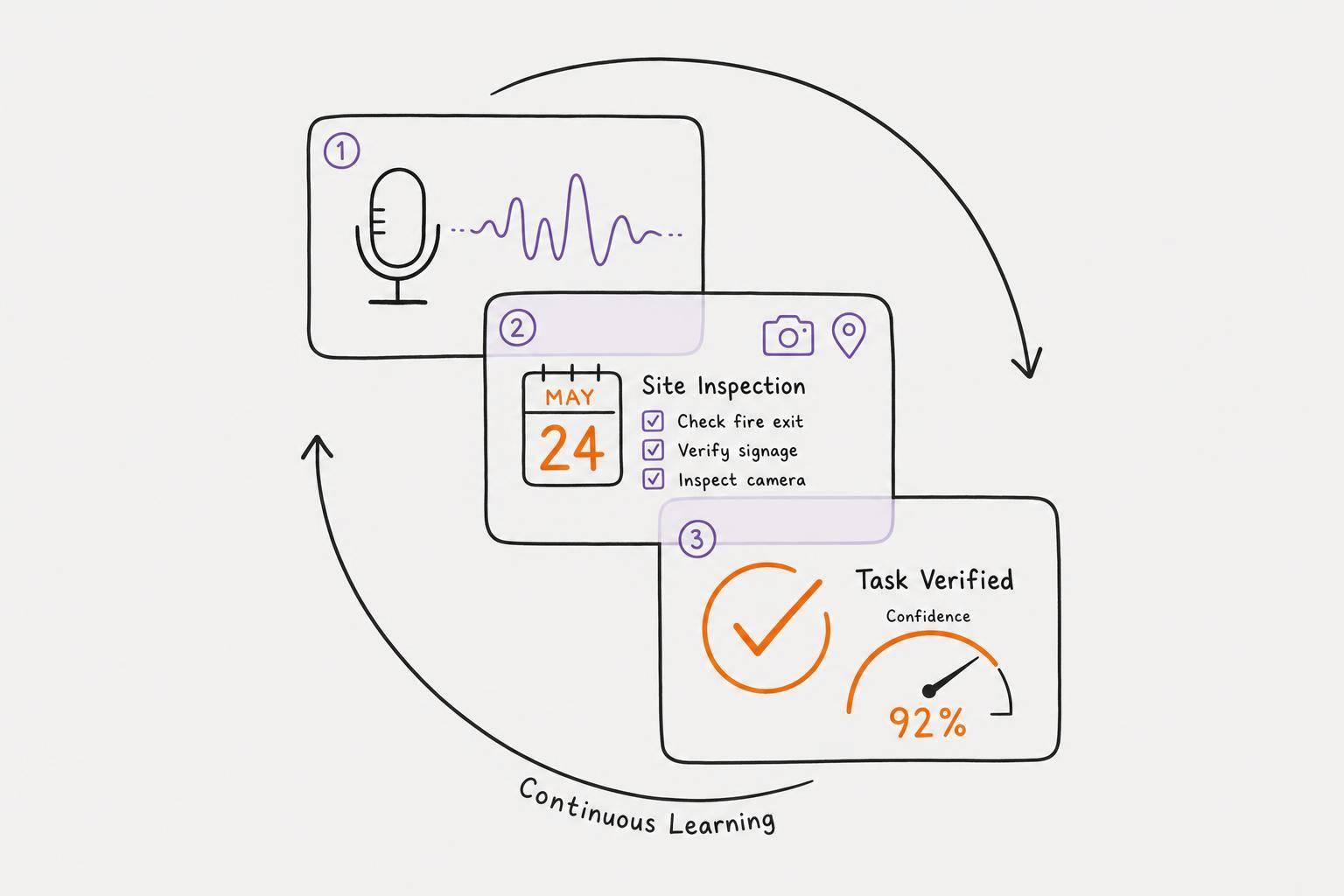
The trick is to use tools that make starting tasks easier. Often, traditional planners or note-taking apps can feel like extra work - they require too much manual effort, which can slow you down before you even begin. That’s where voice-first tools like Calma come in. By using voice commands, Calma transforms spoken tasks into structured, prioritized entries in just 10–15 seconds. Compare that to the 45–60 seconds it might take with manual input. The app’s AI also handles things like extracting key details, detecting due dates, and prioritizing tasks based on context. As neuroscientist Dr. Dominic Ng puts it:
"The goal isn't to convince yourself the task matters. The goal is to create the kind of stimulation your brain can respond to."
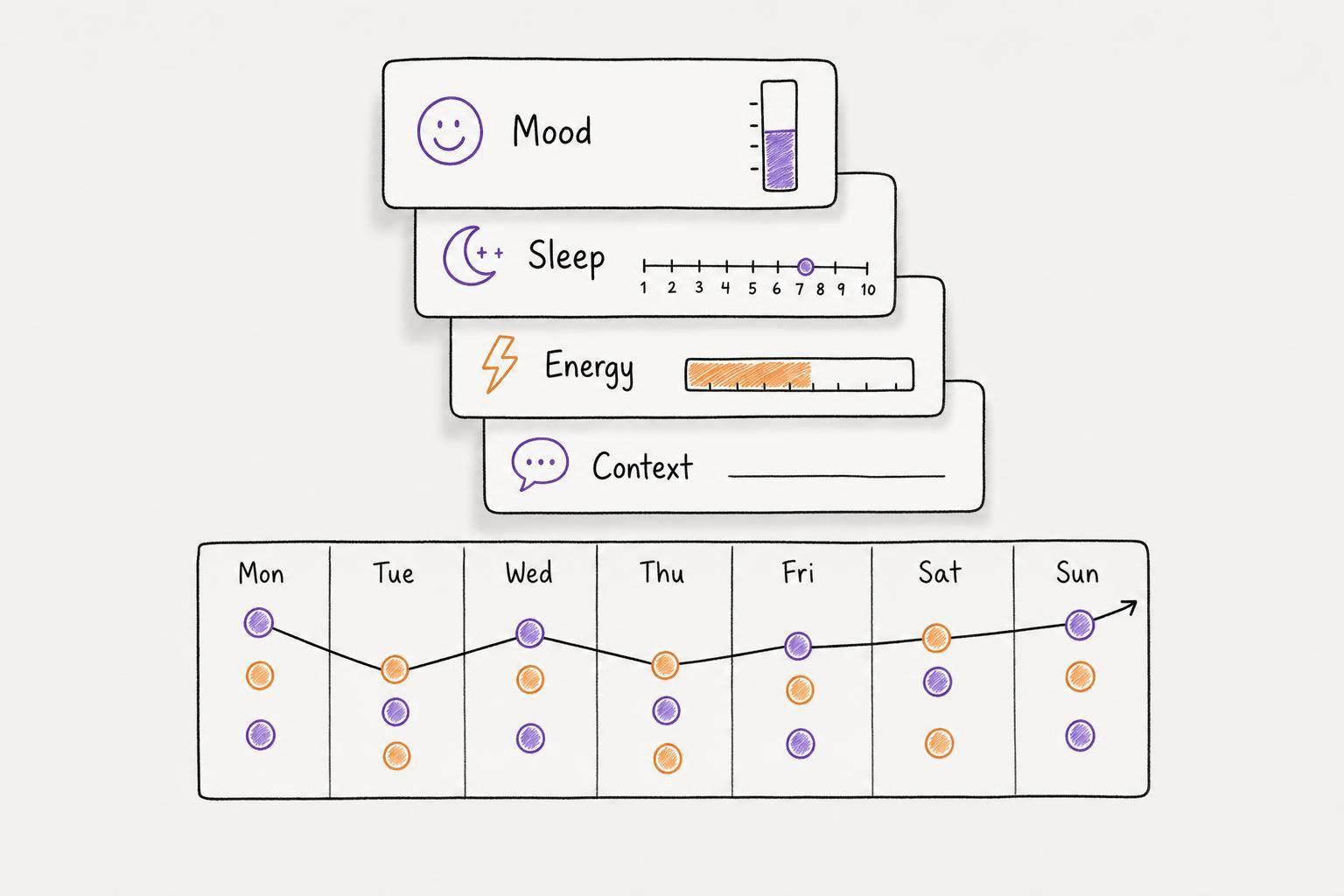
For those with ADHD or executive function difficulties, reducing mental effort is critical. Calma also tracks your emotions throughout the day, helping you identify when you're most energized and ready to tackle tasks. By syncing your work with these "dopamine peak" periods, you can make the most of your productive hours. On tougher days, the app encourages small wins by breaking tasks down into tiny, manageable steps - like committing to just five minutes of effort. This approach keeps you moving forward without the weight of overwhelming expectations.
Another feature that sets Calma apart is its instant visual feedback. Tools like habit streaks and task grids deliver quick bursts of satisfaction, giving you a sense of accomplishment even before finishing a project. This aligns perfectly with how dopamine works - rewarding you along the way rather than only at the end.
Calma offers a seven-day trial with full access to its voice AI capabilities. After that, it switches to a free plan with manual entry options. For those who want the full experience, the Pro plan costs $2 per week or $39.99 annually and includes features like unlimited habits, calendar integration, and iOS widgets. These extras enhance your workflow without piling on extra complexity.
With tools like these, you can stick to your action plan and maintain steady progress, all while keeping procrastination at bay.
Conclusion
Procrastination is deeply tied to your brain's natural chemistry. Your brain is wired to seek out activities that offer quick dopamine rewards, which is why scrolling through social media often feels more appealing than tackling a big project. By understanding dopamine's role as your brain's "motivation molecule", you can learn to align with your neurobiology rather than struggle against it.
To start, focus on building a healthy dopamine baseline. This means prioritizing quality sleep, eating balanced meals, getting sunlight, and staying active. Once that foundation is set, you can use strategies like breaking tasks into smaller steps, pairing tasks with enjoyable activities, adjusting your environment to reduce distractions, and even learning to embrace discomfort. These techniques help create the momentum you need to move forward.
The real shift happens when you begin to value effort itself, not just the end goal. As Huberman Lab explains:
"You can learn to trigger dopamine release from the effort and friction. The key is to stop thinking about the finish line and start telling yourself that the effort itself is the win".
This mindset changes how your brain perceives challenging tasks, making the process itself rewarding.
Neuroscience-based tools can make these strategies even more effective. For instance, Calma, an AI-powered planner, simplifies task management by turning voice inputs into actionable tasks in just 10–15 seconds, compared to the usual 45–60 seconds. Its visual habit tracking also provides the kind of instant feedback your dopamine system thrives on. For those with ADHD or difficulties with executive function, tools like these can be game-changers, helping maintain consistent progress without overwhelming burnout.
Start with small steps, celebrate even minor achievements, and aim for "good enough" rather than perfect. As Sarah Thompson from Ahead wisely states:
"Sustainable change isn't about fighting your brain's reward system - it's about working with it".
FAQs
How do I find my best dopamine triggers?
To find the activities that spark your dopamine release, try experimenting with things that naturally light up your brain's reward system. Focus on what genuinely brings you joy, excitement, or a sense of accomplishment, and work those into your daily life. Whether it's achieving small goals, diving into tasks that keep you engaged, or building habits that leave you feeling energized, these can all be great places to start. Pay close attention to what fuels your motivation and make those activities a priority - they might just be your personal dopamine boosters.
What’s a “clean reward” that won’t derail my focus?
A "clean reward" refers to deriving satisfaction directly from the effort or process itself. This could mean enjoying the challenge, appreciating your progress, or simply valuing the act of doing the task. By focusing on the journey rather than external rewards, you can maintain steady motivation and even boost baseline dopamine levels. This mindset helps you stay on track and prevents distractions from disrupting your momentum.
How can I use Calma to start tasks faster?
Calma’s voice-to-task feature lets you turn voice notes into actionable tasks in no time. Just record your thoughts, and the tool handles the rest - no manual typing required. This saves energy, cuts down on stress, and simplifies your workflow. Plus, Calma’s AI takes it a step further by organizing these tasks for you, making it easier to get started and stay on top of your priorities.