Why Fast Thinkers Struggle With Traditional Planners
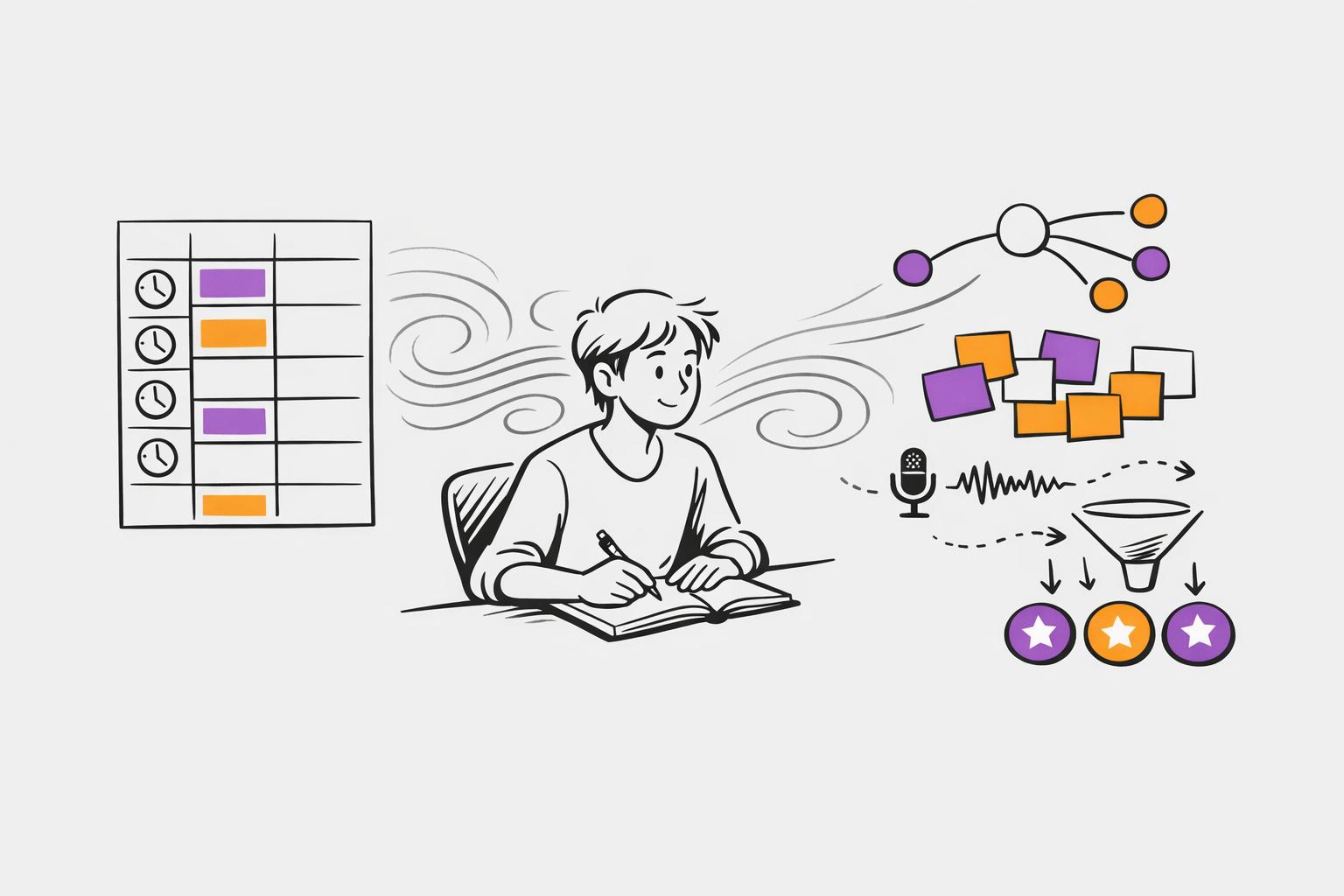
Fast thinkers often find traditional planners frustrating because these tools are built for linear thinking and steady habits, not dynamic, idea-driven minds. People with ADHD or similar cognitive styles face unique challenges like time blindness, reduced working memory, and difficulty breaking big ideas into small steps. Traditional planners rely on rigid time-blocking and static to-do lists, which clash with the fast thinker’s need for flexibility, visual prioritization, and immediate rewards.
Key reasons why traditional planners fail for fast thinkers:
- Linear structure: Hourly blocks and step-by-step formats don’t align with non-linear, pattern-based thinking.
- Time blindness: Difficulty estimating task durations or recognizing deadlines makes rigid schedules impractical.
- Motivation gaps: Static lists lack novelty and dopamine triggers, leading to disengagement.
- Overwhelm paralysis: Dense, unprioritized lists create decision fatigue and block progress.
- Idea loss: Fast thinkers generate ideas faster than they can document them, leading to frustration.
Fast thinkers need tools designed for their strengths, such as visual prioritization, flexible scheduling, and active task support. Apps like Calma address these needs with features like voice-to-task conversion, smart prioritization, and habit tracking. Unlike traditional planners, they offer adaptive workflows that help fast thinkers turn big ideas into actionable steps while maintaining focus and energy.
Quick Comparison: Why Fast Thinkers Abandon Traditional Planners
| Planner Feature | Traditional Planners | Fast Thinker Needs |
|---|---|---|
| Task Structure | Linear, step-by-step | Non-linear, big-picture-friendly |
| Time Management | Rigid time-blocking | Flexible zones with buffer time |
| Prioritization | Manual sorting | Automated, visual prioritization |
| Motivation Support | Lacks novelty or immediate rewards | Dopamine-driven task sequencing |
| Idea Capture | Requires manual input | Voice-to-task conversion for quick ideas |
If you’ve struggled with planners in the past, it’s not your fault - it’s a mismatch between the tool and how your brain works. Switching to systems tailored for fast thinkers can help you stay productive and reduce stress.
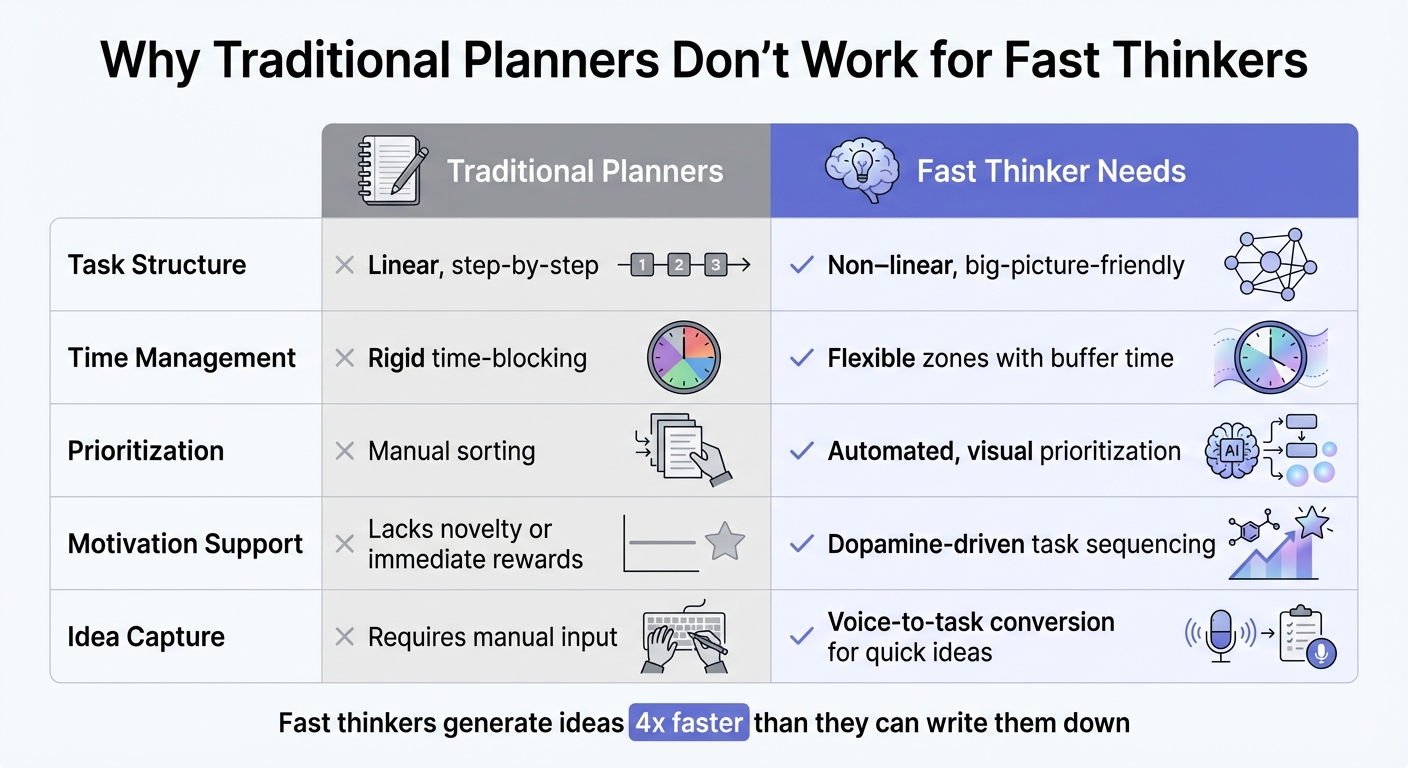
Traditional Planners vs Fast Thinker Needs Comparison Chart
Why Traditional Planners Don't Work for Fast Thinkers
The Step-by-Step Structure of Traditional Planners
Traditional planners are built on a sequential, step-by-step approach. They use hourly blocks, linear to-do lists, and assume you'll move directly from task A to task B to task C. But for fast thinkers, who often process information through rapid pattern recognition and frequent idea switching, this setup can feel like a bad fit.
Here's the issue: these planners require you to estimate how long each task will take and fit it into a specific time slot. For fast thinkers, especially those with ADHD, this can be a nightmare. Time blindness - difficulty gauging how long something takes - makes this process frustrating and ineffective. Research even shows that people with ADHD often experience a delay in the development of executive functions, sometimes lagging 30% behind their chronological age, and this gap often persists into adulthood.
This rigid, time-blocking structure doesn't align with how fast thinkers operate and can even amplify other cognitive challenges.
Common Cognitive Challenges for Fast Thinkers
Traditional planners also depend heavily on working memory - the brain's ability to hold and manage information in real time. For fast thinkers, reduced working memory capacity can make juggling multi-step plans difficult, and it’s easy to forget tasks entirely.
Motivation is another hurdle. Differences in dopamine transport in ADHD brains affect how rewarding a task feels, especially if the reward isn’t immediate. A static to-do list with no built-in novelty or instant payoff often fails to engage the brain, leading to what many call the "planner graveyard", where planners are abandoned shortly after the initial excitement wears off.
Another challenge? Fast thinkers generate ideas up to four times faster than they can write them down. By the time you’ve opened your planner to jot something down, the idea might already be gone, leaving you frustrated and unable to capture those fleeting insights.
Decision Fatigue and Perfectionism
Traditional planners can also lead to decision paralysis and feelings of failure. When faced with a long, unprioritized to-do list, every task can feel equally urgent. Deciding where to start can be exhausting, especially for fast thinkers with limited executive function.
"For the ADHD brain, a blank page isn't freedom - it's another problem to solve. Without prompts or structure, it's easy to close the planner and never come back." – Kantoko
Rigid planning systems also fuel perfectionism. If you skip a day or make a mistake, those blank pages stare back at you as a reminder of what you didn’t do. This all-or-nothing mindset often leads to abandoning the planner altogether, reinforcing the belief that the problem lies with you rather than with the mismatch between a linear system and a dynamic way of thinking.
sbb-itb-1b3be24
The Ultimate Guide To Planning Your Day, Week and Month if You Have ADHD | HIDDEN ADHD
How Fast Thinkers Process Information
To understand the challenges faced by fast thinkers, it's important to look at how they connect ideas and perceive time at lightning speed.
Pattern Recognition and Rapid Connections
Fast thinkers process information in a way that's anything but linear. Imagine having countless browser tabs open at once - each thought triggering a cascade of new ideas and connections. This ability to associate ideas quickly is both their superpower and their challenge.
Their strength lies in seeing the "big picture." Fast thinkers have an uncanny ability to spot patterns and understand how seemingly unrelated pieces fit together. They thrive on generating bold ideas and uncovering insights that might slip past others. However, the tricky part is translating these flashes of brilliance into clear, actionable steps.
Traditional planning tools often feel like a poor fit compared to ADHD productivity planner app options. The linear nature of note-taking and ADHD task management can feel confining to a brain wired for non-linear thinking.
"Traditional note-taking methods rely on linear systems, which feel restrictive to this type of brain... These tools require order where disorder is natural." – Theo James, Productivity Researcher
This fast-paced, non-linear way of processing can make it hard to bridge the gap between a visionary idea and the practical steps needed to make it happen.
Balancing Big Vision with Immediate Action
While fast thinkers excel at spotting patterns and envisioning long-term outcomes - like a completed project or a major achievement - they often struggle to translate these insights into small, actionable tasks. The result? A disconnect between the big picture and the immediate steps required to get there. This gap can make the path forward feel overwhelming and unclear.
Part of the issue lies in how fast thinkers experience time. For many, time boils down to two categories: "now" or "not-now". Long-term goals often remain in the "not-now" zone until a looming deadline suddenly pushes them into the "now." For those with ADHD, this tendency is compounded by a difficulty focusing on future goals that don't offer immediate gratification.
Adding to the challenge, fast thinkers often have limited working memory. Their "mental workspace" can struggle to juggle all the details of a complex, multi-step process while still executing the first step. This disconnect between the grand vision and the smaller tasks can lead to what many describe as "overwhelm paralysis." With so many decisions to make, progress can grind to a halt.
Fast thinkers' ability to dream big is unmatched - but navigating the gap between vision and action takes intentional effort.
What Traditional Planners Are Missing
Traditional planners often fall short for fast thinkers because they rely on assumptions that don't align with how these individuals process information. They presume a linear way of thinking, consistent motivation, and steady executive function. This mismatch creates more obstacles than solutions. What’s missing? Three key elements: visual prioritization, flexible scheduling, and active task support. Let’s break down how each of these gaps affects fast thinkers.
Visual Prioritization and Task Breakdown
Dense, unorganized to-do lists can feel overwhelming, especially for fast thinkers. These lists often trigger what’s been called the "wall of awful" - a mental block that makes even simple tasks seem impossible. To overcome this, fast thinkers need tools that break projects into small, actionable steps. For instance, instead of writing "Organize tax documents", breaking it into steps like "Open Documents folder" or "Create folder titled '2024 Receipts'" can make the task feel manageable .
"A planner shouldn't just hold your tasks; it should help you decide what to do next. This is where intelligent prioritization is a total game-changer." – Melissa Würtz Azari, Co-founder and CPO, Tiimo
Using visual tools such as color-coding, icons, or spatial layouts can make priorities more tangible. These features allow fast thinkers to quickly assess which tasks need immediate attention and which can wait . In contrast, traditional planners stick to uniform text blocks and rigid formats, missing the chance to make tasks visually clear and approachable.
But breaking tasks down is only part of the solution. Scheduling systems also need to adapt to fluctuating energy levels.
Flexible Scheduling Systems
Most traditional planners rely on rigid time-blocking, where tasks are assigned to specific 30-minute slots. This method assumes you can accurately predict how long a task will take and maintain steady energy throughout the day. For fast thinkers, especially those with time blindness - difficulty sensing how much time has passed - this approach is impractical .
"Time blocking was designed for neurotypical brains... Rigid schedules, arbitrary time estimates, and the constant micro-decisions required to stick to a time-blocked day actively work against ADHD executive function." – Nia, rivva blog
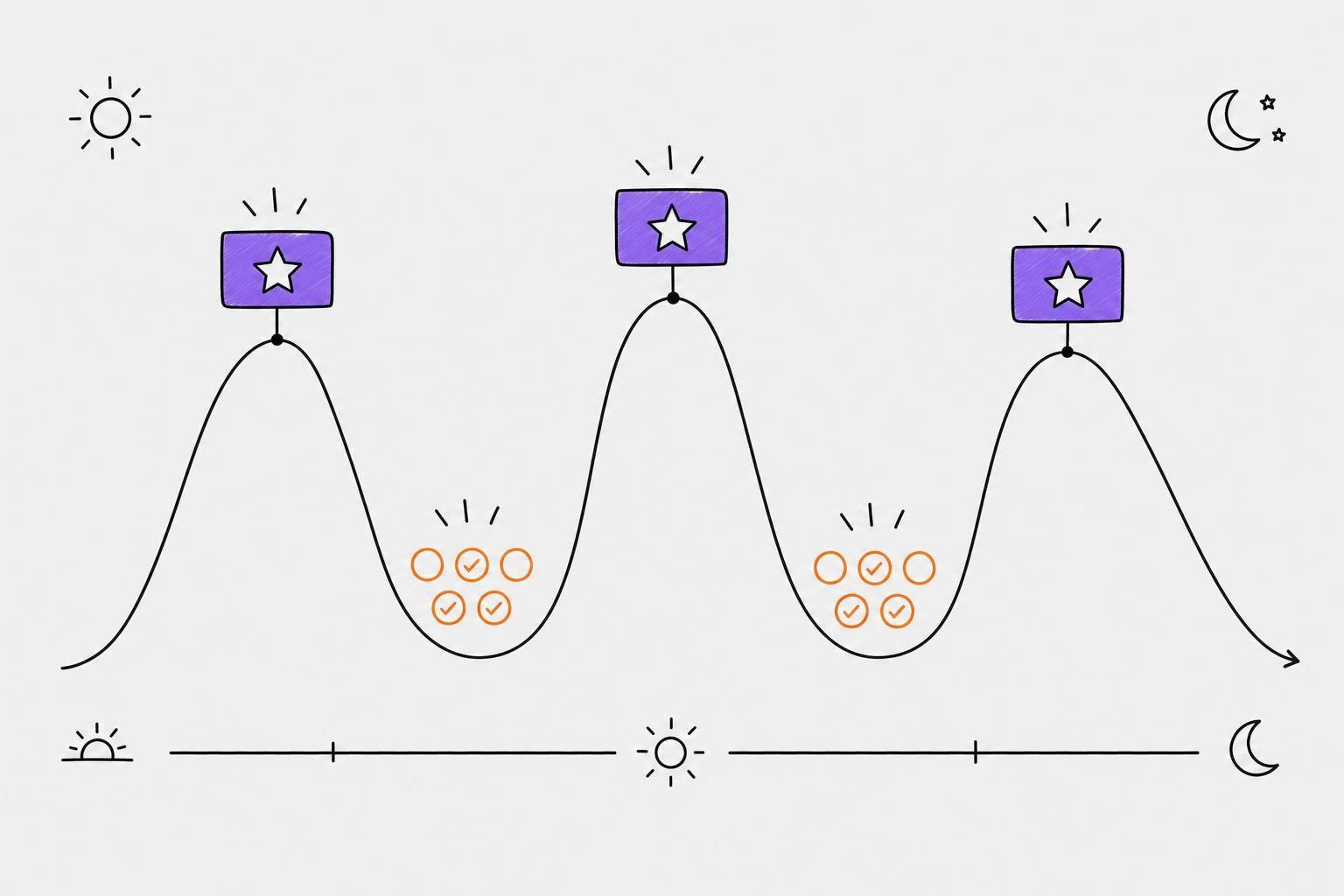
A better approach involves flexible "zones" rather than strict blocks. For example, a "Morning Focus Time" zone might span 2–3 hours, allowing for natural energy shifts and acknowledging that tasks might take longer than planned. Traditional planners don’t account for this flexibility. If one task runs over, the entire day’s plan can fall apart, often leading users to abandon the system entirely. Additionally, fast thinkers need buffer time - 10 to 15 minutes between tasks - to account for transitions and mental resets .
The final missing piece? Support for starting and sticking with tasks.
Support for Starting and Maintaining Tasks
Traditional planners lack the tools to help fast thinkers stay on track. A single notification that’s easy to dismiss isn’t enough for a brain that quickly loses focus . These individuals benefit from persistent reminders that remain visible until the task is addressed. Features like visual progress tracking, countdown timers, and layered alerts can also help make time and tasks feel more immediate .
Digital tools are stepping up to fill this gap. The ADHD planner app market, valued at $563 million in 2023, is expected to grow to $1.1 billion by 2030. Users of ADHD-friendly tools with automated workflows report reclaiming up to four hours per week.
| Feature | Planner Pitfall | Fast Thinker Need |
|---|---|---|
| Task Structure | Vague to-do lists lead to task paralysis | Tools that break tasks into small, actionable steps |
| Prioritization | Manual sorting causes decision fatigue | Automated prioritization and filtering |
| Scheduling | Rigid time blocks ignore energy fluctuations | Flexible "zones" that adapt to energy levels |
| Reminders | Single notifications are easy to overlook | Persistent, customizable alerts |
| Interface | Overcrowded pages create sensory overload | Clean, low-distraction design with plenty of white space |
These missing elements highlight why traditional planners often fall short for fast thinkers. By addressing these gaps, tools can better support the unique needs of these individuals, making planning less of a struggle and more of an ally.
How Calma Supports Fast Thinkers
Calma was built to address the challenges fast thinkers face with traditional planners. Its design focuses on aligning with how dynamic minds naturally work - minimizing mental effort and making task management feel seamless.
Core Features of Calma
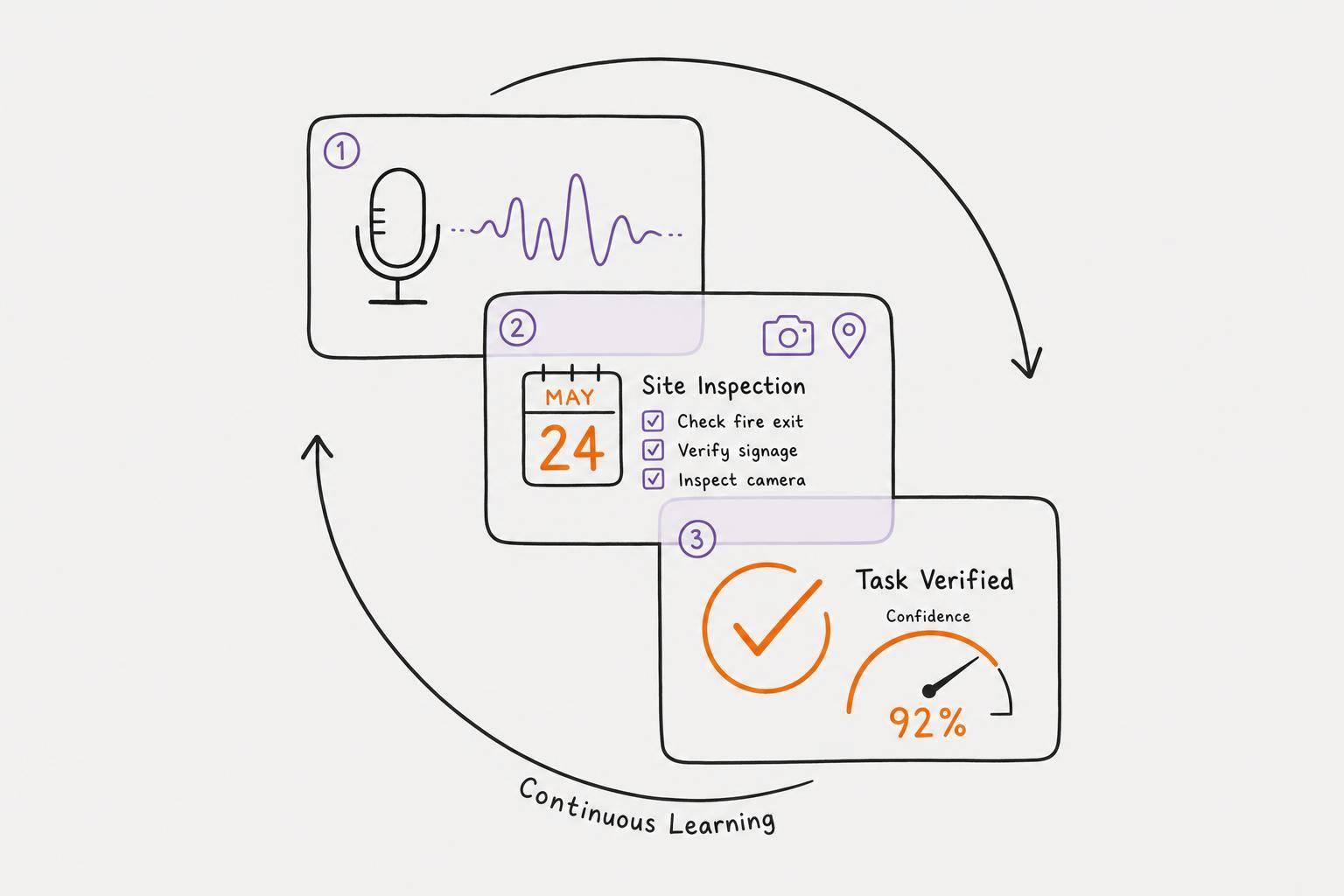
One standout feature is voice-to-task conversion, which bridges the gap between fast-paced thoughts and task recording. Instead of losing ideas while trying to type them out, you can simply speak, and Calma does the rest. It extracts actionable tasks, picks up on due dates mentioned in your speech, and organizes everything for you, eliminating the dreaded "idea loss" during high-energy moments.
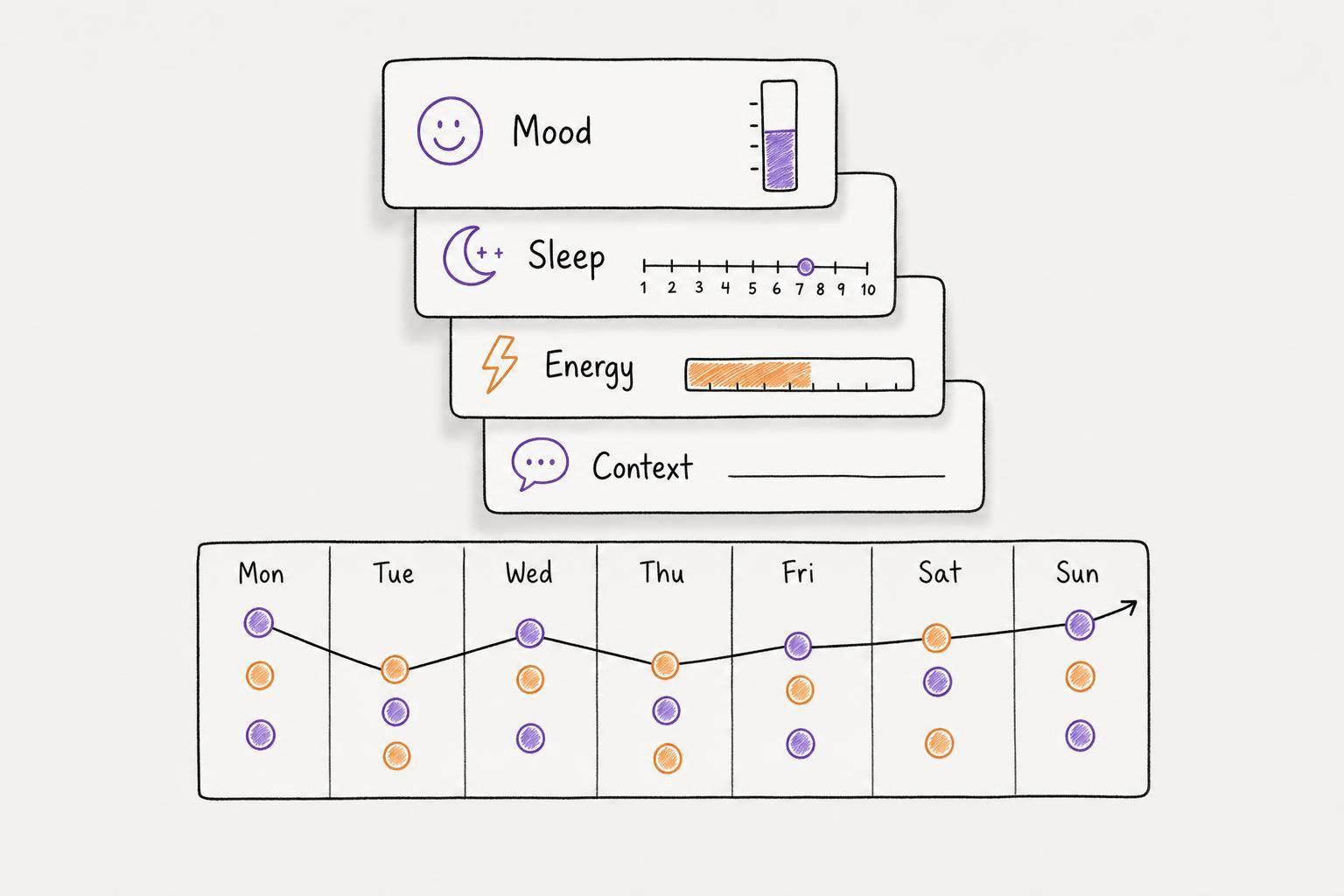
Smart prioritization takes the guesswork out of deciding what to tackle first. By automatically ranking tasks based on urgency and importance, it saves you from wasting mental energy on decisions. Another unique feature is emotion tracking, which monitors your mood alongside your productivity. This helps identify patterns between how you feel and what you accomplish, breaking the cycle of guilt that can follow missed tasks.
Visual habit grids offer a quick way to track progress, helping you see your momentum build over time. Meanwhile, the Swiss Cheese Method breaks big projects into smaller, manageable steps. For example, instead of the overwhelming "Plan vacation", you might see "Research three destinations" or "Check flight prices for June." These features work together to create a system that adapts to your fast-thinking, non-linear style.
Flexible and Non-Linear Planning
Calma’s approach to planning is anything but rigid. It’s designed for fast thinkers who naturally process ideas in "webs, not lists". Unlike traditional planners that force you into a step-by-step structure, Calma lets you externalize your thoughts in a way that feels natural. Tasks aren’t locked into a linear order - you can jump between them based on your energy or focus.
The system also incorporates task sequencing that taps into your brain's dopamine responses. This means alternating between high-energy creative tasks and low-energy administrative ones to maintain motivation. For people with ADHD, whose brains often struggle with executive function due to reduced volume in key areas, this external structure is a game-changer. Features like voice input and automated reminders offer the support needed to compensate for working memory challenges.
As Dr. Russell Barkley, a pioneer in ADHD research, puts it:
"The key to ADHD productivity isn't forcing yourself into neurotypical systems - it's finding approaches that harness your brain's unique strengths." – Dr. Russell Barkley
Calma even includes gentle break reminders to interrupt hyperfocus sessions every 45–60 minutes. These reminders encourage you to check in with your body and avoid burnout - something traditional planners rarely account for.
Pricing Plans: Finding the Right Fit
Calma’s flexibility extends to its pricing, offering plans that cater to different needs. The Grace Period gives you seven days to explore key features like voice-to-task conversion, AI journal processing, and habit tracking (up to three habits) for free. This trial period lets you see if the system aligns with your workflow before committing.
After the trial, the Free plan ($0) provides basic tools like manual task creation, up to three habits, on-device transcription, and access to all color themes. For those looking to unlock more, the Pro Weekly plan ($2/week) offers voice AI features, calendar integration, iOS widgets, and unlimited habit tracking - a great option if you want to try the full suite without committing long-term.
For the best deal, the Pro Annual plan ($39.99/year) delivers all features at about $0.77 per week. Both free and paid plans include essential tools like voice-to-task extraction and calendar sync, ensuring fast thinkers have what they need to thrive.
Using Calma for ADHD-Friendly Planning
Getting Started With Calma
The first thing to do is make voice journaling your go-to method for capturing ideas. Whether you're driving, walking, or lying in bed, open Calma and speak your thoughts as they come. Forget about organizing for now - just focus on getting your ideas out. ADHD brains generate ideas about four times faster than you can type, so using voice capture helps you avoid losing those fleeting thoughts. For instance, you might say something like, "email client tomorrow, buy coffee Friday, research vacation spots", and Calma will automatically break these down into separate tasks with due dates.
After that, limit your daily focus to 1–3 key tasks. This is crucial because creating long to-do lists can quickly lead to overwhelm and paralysis for fast thinkers. Calma’s smart prioritization feature helps you identify your "Must-Do" tasks for the day, while everything else goes into a "Might-Do" list. If you’re stuck on a challenging task, try the 3-Step Transition Stack: first, note where you left off with your previous task; next, pinpoint the smallest possible step to start the new one; finally, set a 3-minute timer to ease into it. This approach helps you transition smoothly, aligning with how ADHD minds naturally process information.
For bigger projects, let Calma break them into smaller, manageable steps. Focus on identifying the next physical action - something so small it feels almost trivial. This makes starting less intimidating and helps overcome the inertia that often blocks progress.
Taking these steps lays the groundwork for creating routines that stick.
Building Consistent Routines
Once you've captured your ideas with ease, the next step is structuring your day to maintain steady progress. Visual habit grids can help combat time blindness. ADHD brains often perceive time as either "now" or "not-now", which can make progress feel invisible. Calma’s habit-tracking feature creates visual cues that make your achievements more tangible. Start small - track just one or two habits during the free trial (you can track up to three), and expand once you upgrade.
Plan to use only 60–80% of your available hours to allow for energy fluctuations. This built-in buffer is essential because ADHD brains often struggle with accurately estimating time. Calma’s gentle reminders to take breaks every 45–60 minutes can also help you avoid burnout during hyperfocus sessions and prompt you to check in with your physical needs.
Finally, end your day with a quick 2–5 minute reset ritual. Use this time to close out any lingering tasks, tidy up your digital workspace, and set priorities for the next day. ADHD coach Paula Engebretson offers an important reminder:
"Your schedule is not a moral report card."
If you miss a day or fall off track, Calma makes it easy to reschedule without guilt. The system treats planning as a flexible, ongoing experiment, not a rigid test. This kind, adaptable approach encourages you to keep coming back, rather than abandoning the process altogether.
Conclusion
Traditional planners often rely on a step-by-step, linear process, which doesn’t account for the dynamic and non-linear way fast thinkers operate. If this approach feels like a mismatch for you, the issue isn’t with you - it’s with the system itself. Fast thinkers thrive with tools that align with their natural tendencies: non-linear thought processes, varying energy levels, and the need for external support to manage executive function tasks.
As discussed earlier, Calma serves as an external brain, helping to turn scattered ideas into actionable plans. It simplifies overwhelming tasks and creates schedules that reflect your actual capacity. Organizations that embrace flexible planning methods report 40% higher success rates in reaching their goals compared to those using rigid systems. This underscores the importance of using tools designed to complement your cognitive style.
Switching from traditional planners to ADHD-friendly tools isn’t just about boosting productivity - it’s about finding a system that truly works for you. As Melissa Würtz Azari aptly puts it:
"Planning should not feel like a test you are destined to fail. It should feel like a tool that meets you where you are."
Calma offers a 7-day free trial so you can explore its features. After the trial, the Pro plan is available for $2 per week or $39.99 annually, giving you access to unlimited AI planning, calendar syncing, and habit tracking. If you’ve struggled with countless planners in the past, it might be time to try a system built for the way your mind works.
FAQs
How do I know if I’m a “fast thinker”?
If your thoughts tend to race, jumping quickly between ideas or producing several solutions in a flash, you might fall into the category of a "fast thinker." For individuals like this, traditional, structured planning systems can feel stifling - or even downright overwhelming. This is especially common for people with ADHD or similar traits. Understanding this about yourself can open the door to using more adaptable planning tools that cater to your dynamic and non-linear way of thinking.
What’s the simplest way to plan when I have time blindness?
The easiest way to manage time blindness is to find a system that works with how you naturally perceive time. This might mean focusing on strategies like jotting down tasks as soon as they come to mind, organizing your day based on your energy levels rather than strict schedules, and relying on flexible, reminder-based tools. Timers or hybrid systems that emphasize making steady progress instead of aiming for perfection can also be incredibly useful. The key is to pick a method that complements your way of thinking without feeling too rigid or stressful.
How can I turn big ideas into tiny next steps fast?
Breaking down big ideas into smaller, actionable steps can make even the most overwhelming tasks feel doable. The key is to capture your thoughts as quickly as they come, keeping up with the pace of your brain. Start with a quick brain dump - jot everything down into a simple, flexible system. This helps clear mental clutter and reduces the strain on your mind.
Next, zero in on the smallest possible action you can take. It could be as simple as writing a single sentence or sending a quick email. By focusing on these bite-sized steps, you’ll keep your momentum going and steadily transform those big ideas into concrete, achievable tasks.