Energy-Based Task Scheduling for ADHD
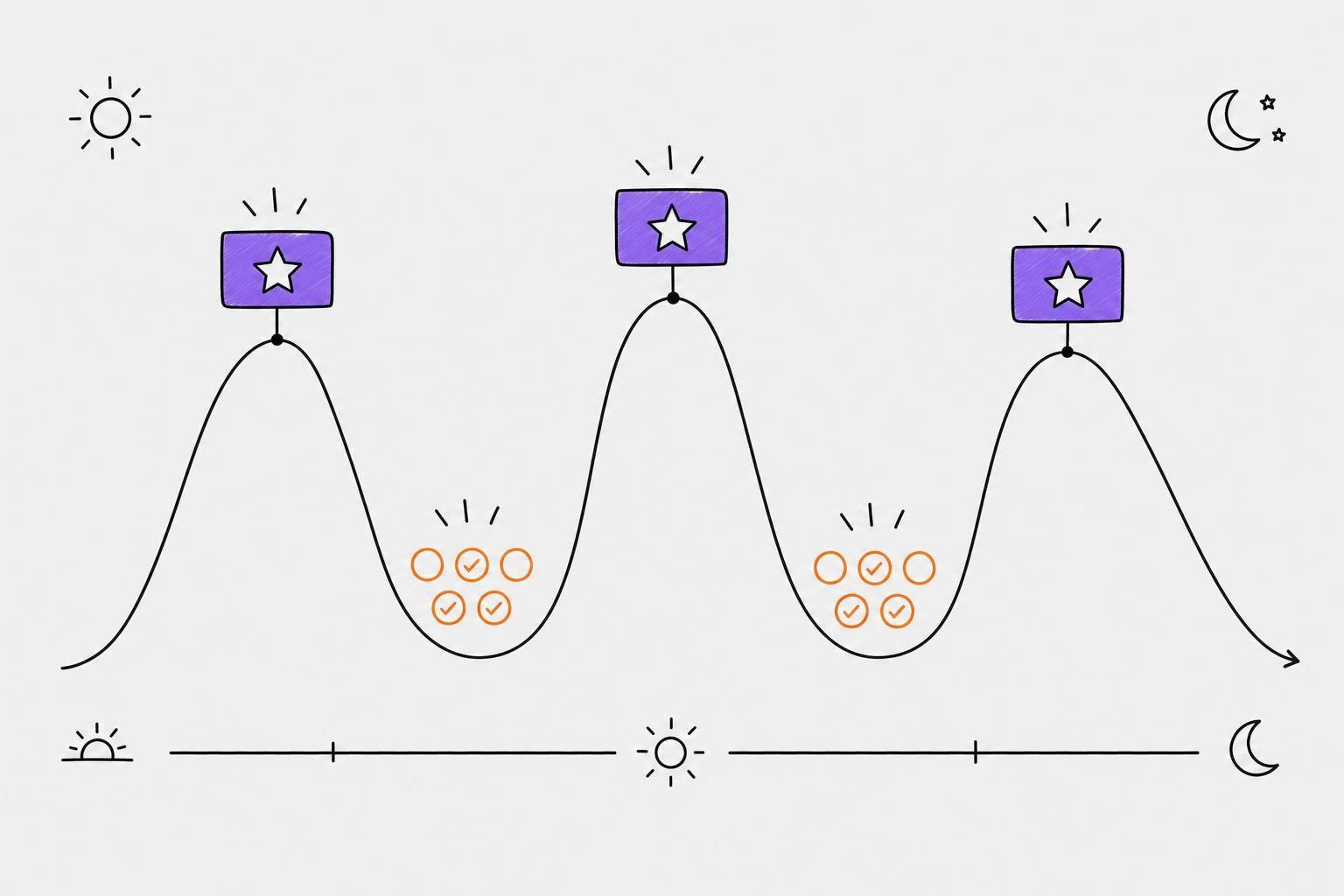
If you have ADHD, your day often works better when you plan for energy first and time second. In most cases, you may only get 3 to 4 hours of steady high-focus time in a day, and many people hit a 1:00 PM to 3:00 PM slump. That means the smart move is simple: do hard tasks when your brain is sharp, lighter tasks when it dips, and keep a short backup list for crash periods.
Here’s the core idea in plain English:
- I track my energy for 5 to 7 days
- I rate it on a 1 to 5 scale
- I sort tasks into high, medium, low, and crash
- I save my best focus window for my hardest work
- I limit myself to about 3 hard tasks a day
- I add 15 to 20 minutes of recovery time after heavy focus blocks
- If my energy drops, I switch to a lower-effort task instead of forcing it
This works because ADHD planning often fails at the point of starting, not just at the point of scheduling. A clock can say 10:00 AM, but that does not mean my brain is ready for blank-page writing, hard decisions, or deep work. Matching the task to my energy cuts friction, lowers choice overload, and gives me a fallback when the day goes sideways.
A few points matter most:
- Peak window: use for writing, hard thinking, learning, and big decisions
- Mid-level window: use for editing, follow-ups, and routine meetings
- Low-energy window: use for email, admin, and simple tasks
- Crash window: use for rest, brain dumps, and moving due dates
| Energy level | Best use | Common timing |
|---|---|---|
| High | Deep focus work | Often late morning |
| Medium | Lighter project work | Late afternoon rebound |
| Low | Admin and inbox tasks | After lunch |
| Crash | Reset and bare-minimum tasks | After overload or poor sleep |
The main point: I stop asking “What should I do right now?” and start asking “What fits the energy I have right now?” That one shift can make a schedule easier to follow, especially on rough days.
Below, I’ll walk through the system in a simple way so you can map your energy, sort your tasks, and build a daily plan that does not fall apart the first time your focus drops.
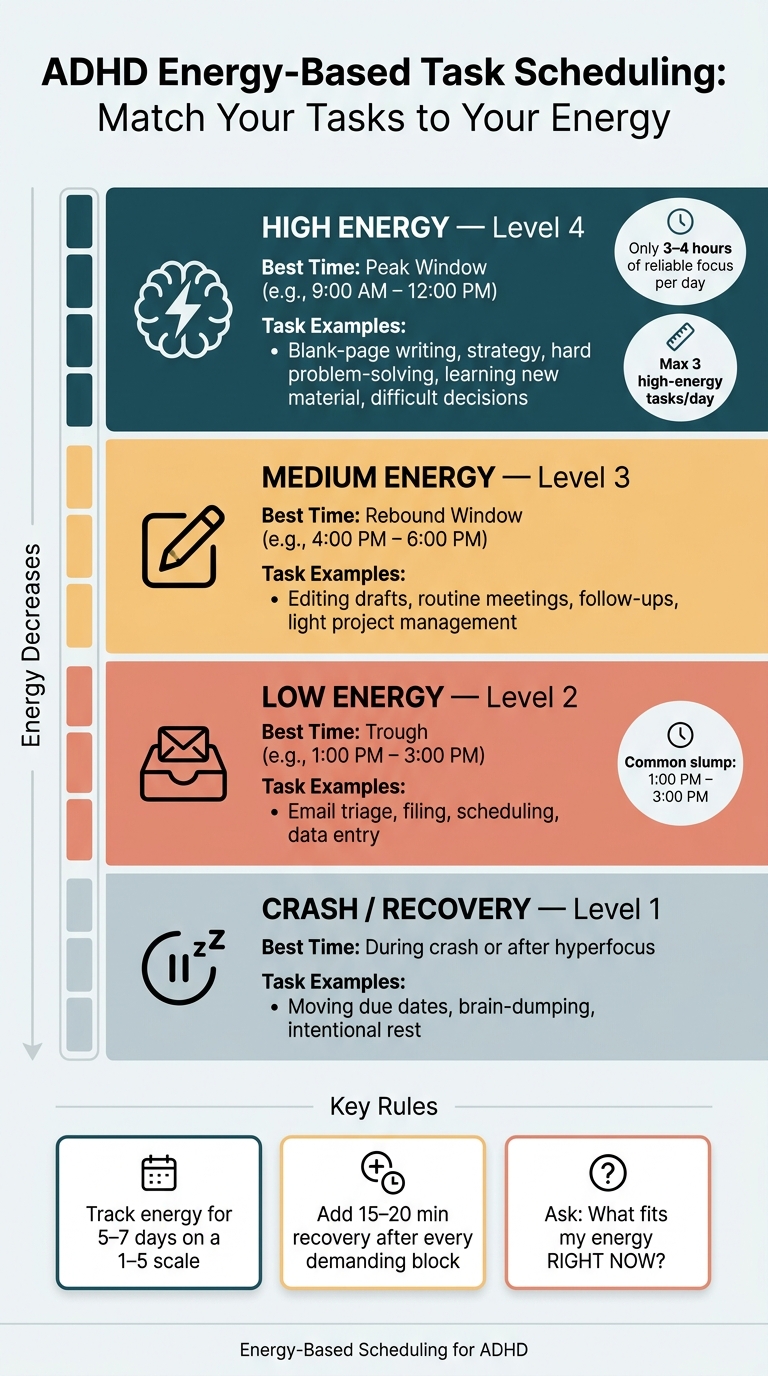
ADHD Energy Levels: Task Matching Guide for Peak Productivity
Follow the energy- Boosting time management with ADHD
sbb-itb-1b3be24
Why This Method Works Better for ADHD
Most schedules treat time as the main limit. With ADHD, that’s often not the case. Energy is usually the bottleneck. And that changes how a day needs to be planned.
How Energy Matching Reduces Overwhelm and Task Paralysis
ADHD often leaves only a few strong-focus hours in a day, and even fewer on hard days. Energy matching starts from that fact instead of acting like every hour can handle the same kind of work.
Put demanding work like writing, strategy, or complex problem-solving into a peak window, and the task usually feels easier to start. That friction matters. A lot. Then use lower-energy periods for lighter tasks that don’t need deep focus.
There’s another piece here: decision fatigue. Looking at a long to-do list can drain mental effort before work even begins. When tasks are labeled by energy level, you cut down on choice overload. Instead of asking, “What should I do now?” you can ask, “What fits the energy I have right now?” That shift makes the system feel simpler and easier to use.
Why Flexibility Matters More Than a Perfect Schedule
Rigid schedules break fast. Miss one block, and the whole plan can start falling apart. For someone with ADHD, that can trigger guilt, avoidance, and a shame spiral. Once that happens, getting back on track can feel way harder than it should.
Energy-based scheduling works better because it can bend without breaking. If your focus drops or something interrupts the day, you don’t have to scrap the plan. You can move to a lower-energy task and keep going.
That kind of flexibility keeps the system usable when your energy dips. ADHD comes with strong and weak energy windows, so a schedule that makes room for both is much easier to stick with. The next step is to map those peaks, dips, and recovery windows into a schedule using an ADHD productivity planner app or a manual system you can use in real life.
Map Your Energy and Sort Your Tasks
Before you build a schedule, map two things: when your energy goes up and down and which tasks wear you out most. That turns energy mapping from a nice idea into something you can use every day.
Track Your Energy Peaks, Dips, and Recovery Windows
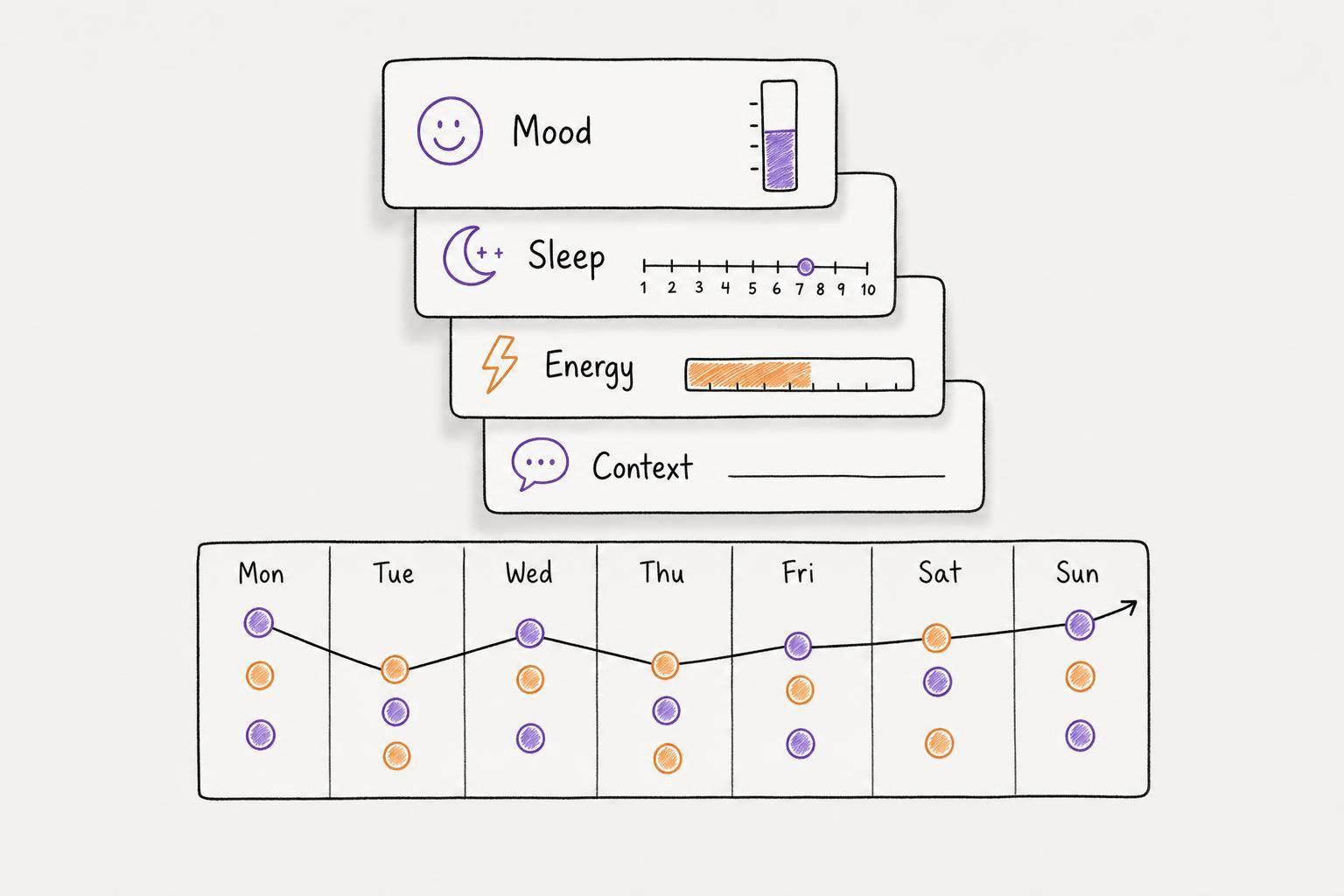
Track your energy for 5–7 days. Keep it simple: use a 1–5 scale to rate your mental clarity and how hard it feels to start a task. Check in three times a day - morning, midday, and late afternoon. Set phone alarms for these check-ins. If you don’t, there’s a good chance they’ll slip through the cracks.
A lot of people with ADHD notice a 2- to 4-hour focus window, often in the late morning. After that, there’s often a post-lunch slump between 1:00 PM and 3:00 PM, and sometimes a shorter bounce-back later in the afternoon.
It also helps to note what was going on around each check-in. Things like medication timing, sleep, food, and stress can shift your energy more than you’d think.
Label Tasks as High, Medium, or Low Energy
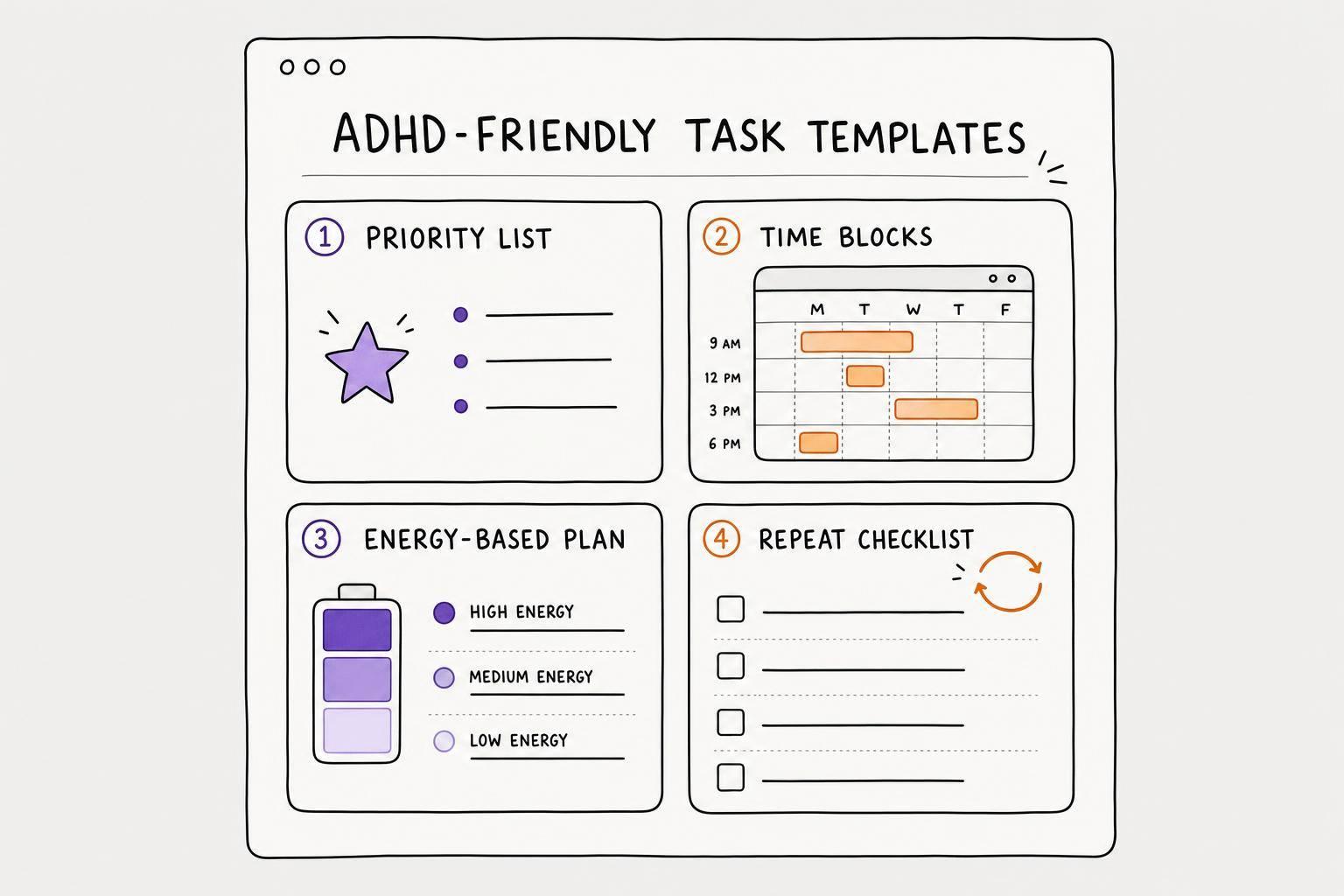
Once you have a rough read on your patterns, go through your task list and tag each item by mental effort - not urgency, not category, but how much focus, decision-making, and emotional effort it takes. Use the same scale every day so your list matches your actual capacity.
| Energy Level | Task Examples | Best Time of Day |
|---|---|---|
| High (Level 4) | Writing from scratch, strategy, difficult decisions, learning new material | Peak window (e.g., 9:00 AM – 12:00 PM) |
| Medium (Level 3) | Editing drafts, routine meetings, follow-ups, light project management | Rebound window (e.g., 4:00 PM – 6:00 PM) |
| Low (Level 2) | Email triage, filing receipts, scheduling, data entry | Trough (e.g., 1:00 PM – 3:00 PM) |
| Crash / Recovery (Level 1) | Moving due dates, brain-dumping, intentional rest | During a crash or after hyperfocus |
That distinction matters. A task can look small on paper and still take a lot out of you. A “quick email,” for example, might need more emotional effort than a longer but more routine task.
Use Fast Capture Tools to Cut Planning Friction
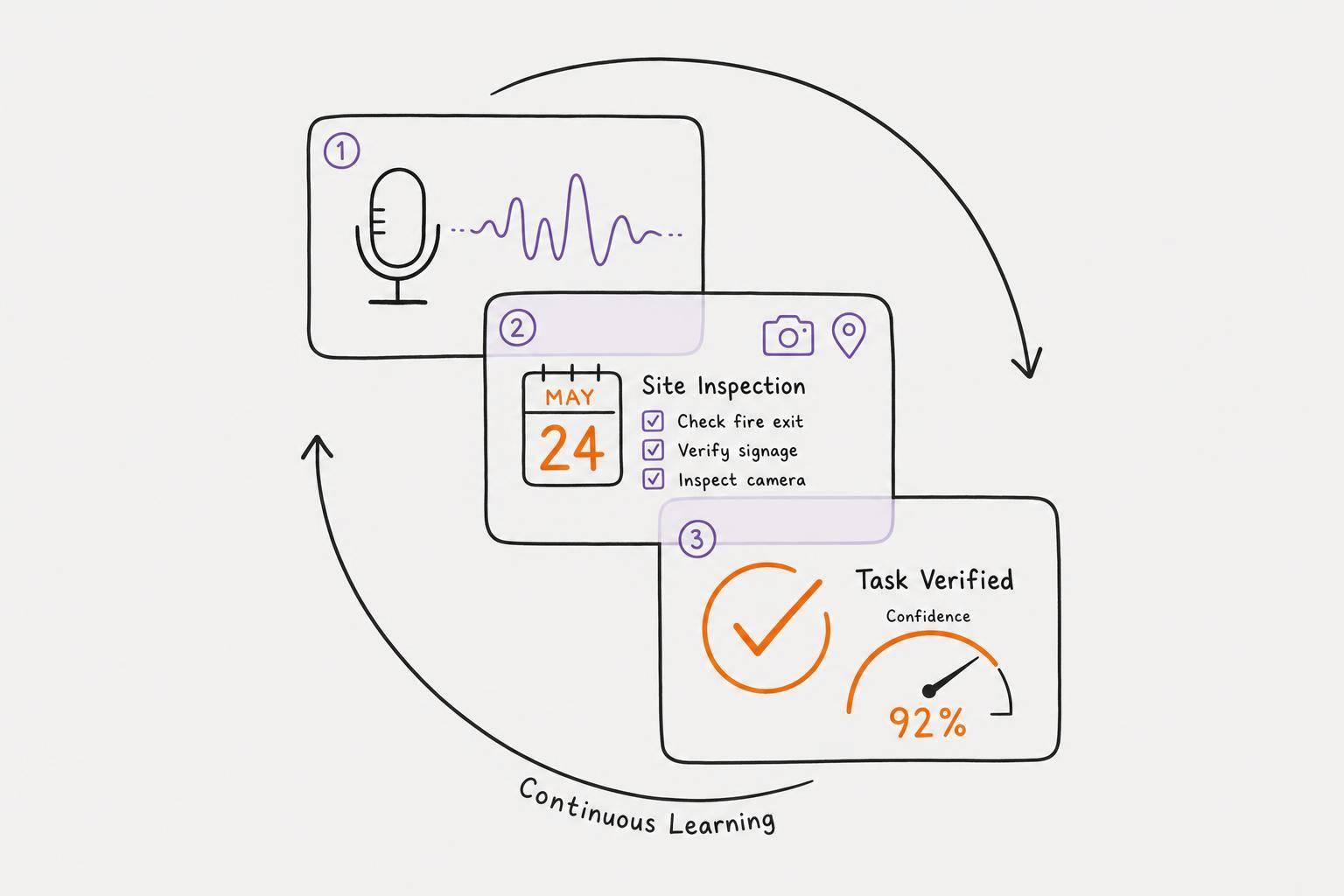
The hardest part of this system is getting tasks out of your head fast enough to use them. Voice notes are one of the lowest-friction options. Saying a task out loud takes seconds and asks very little of your executive function.
Calma supports this directly: record a voice note, and it turns that into a prioritized task list so you’re not stuck staring at a blank page trying to sort your thoughts.
With energy windows and task labels in place, your schedule turns into a placement problem instead of a guessing game.
Build an Energy-Based Schedule You Can Actually Follow
Keep your fixed commitments on the calendar. But for the rest of your day, plan around energy, not just the clock.
A simple way to do this is to block out broad windows like High, Medium, and Low based on when your energy tends to go up or drop off. Then, when that window starts, match the task to how you feel right then and choose from your pre-labeled list. Use the energy map from the last step to decide what belongs in each window.
Place High-Focus Work in Peak-Energy Windows
Your peak window is your small pocket of high-focus time. For ADHD brains, that usually means only 3 to 4 hours of reliable executive function per day. That’s why guarding this window matters so much.
Use it for Level 4 work: blank-page writing, strategy, hard problem-solving, learning new material, difficult conversations, and financial decisions. Don’t spend that time on email. It can quietly drain the executive function you need for tougher work.
Admin, inbox triage, and routine correspondence fit better in your low-energy trough, which is often the post-lunch dip.
Try to cap it at about three high-energy tasks per day. Go past that, and you may end up paying for it with a multi-day recovery stretch that wipes out the progress you just made.
Batch Similar Tasks and Add Recovery Blocks
Once your hardest work is in place, group the rest by effort level instead of by project. This cuts decision fatigue. Instead of looking at one messy list of 20 tasks, you’re picking from a short menu of items that all ask for about the same amount of mental effort.
After any demanding block, add 15–20 minutes for a short recovery break. That might mean a quick walk, a snack, or stepping outside. That time isn’t wasted. ADHD brains often crash hard after hyperfocus instead of easing down slowly, and skipping that buffer can wear down your next peak window.
Energy-Based Scheduling vs. Time Blocking vs. Batching
Think of it this way:
- Energy-based planning is the main system
- Time blocking holds your fixed commitments
- Batching helps you group similar tasks inside each energy zone
If your energy changes in the middle of the day, keep using those same labels. You can pivot without losing steam.
Adjust the System and Keep It Running Day to Day
What to Do When Your Energy Changes Midday
After you map your energy windows, the next move is learning how to adjust without blowing up the rest of the day.
Your energy won’t always stick to the plan. Some days, your best window shows up late. Other days, it disappears early. When that happens, don’t push yourself into high-demand work. Move to your low-energy fallback list instead.
If you feel stuck, use the smallest-step rule. Start with the first possible action, even if it’s just opening the document. That tiny move often lowers the friction. And if the task still isn’t happening today, move it to tomorrow and mark it "Not Started."
A 15-minute brisk walk can help too. It may boost alertness and give you another 60–90 minutes of steady focus.
Common Mistakes That Make the Schedule Fail
Three habits tend to break this system.
Overpacking your peak window is the biggest one. If you cram too many high-demand tasks into one block, you’re more likely to burn out than finish strong.
Skipping recovery buffers is another problem. When you cut the time between demanding tasks, you don’t keep momentum - you lose it.
Then there’s planning for the day you wish you had instead of the one you have. That gap can create a shame cycle, and over time, it makes people drop the system altogether.
These fixes help the system stay usable, even on low-energy days.
Conclusion: The Core Rules to Keep Using
Keep it simple: map your energy, match tasks to it, protect your peak windows, and reset fast when the day changes.
Calma can turn voice notes into prioritized tasks, so your list is ready before your peak window starts.
FAQs
How do I find my peak focus hours?
Track your energy for one week. Set an alarm every 1 to 2 hours and rate your mental clarity and how easy it feels to get started, using a scale of 1 to 5 or 1 to 10.
Write down a few other details too, like sleep, medication, food, and mood. After seven days, look back through your notes and watch for patterns. Then use your higher-energy windows for deep-focus work.
What if my energy changes every day?
If your energy shifts from day to day, rigid schedules can backfire. They assume you’ll have the same amount of bandwidth every day, and that’s often just not how life works. So treat your plan like a guide, not a rulebook.
A smart way to handle this is to build a low-energy fallback. In plain English, that means having a preplanned set of lighter tasks you can turn to when your energy is low, such as admin work or emails. You’re still moving things forward, just without forcing heavy work on a rough day.
Your tracked data can help here too. Use it to spot patterns and match tasks to how you feel. Calma can help you sort and prioritize tasks based on your current state.
How do I decide which tasks are high-energy?
High-energy tasks usually need steady focus, hard thinking, emotional effort, or work that starts from scratch. These are the jobs that lean on executive function: writing from a blank page, mapping out a complex strategy, or having a tough conversation you’ve been putting off.
To sort your tasks, do a brief energy audit over 3 to 5 days. Pay attention to when your focus feels strongest. Then note which tasks drain you and which ones you can do almost on autopilot.