Best AI Tools for ADHD Voice Journaling
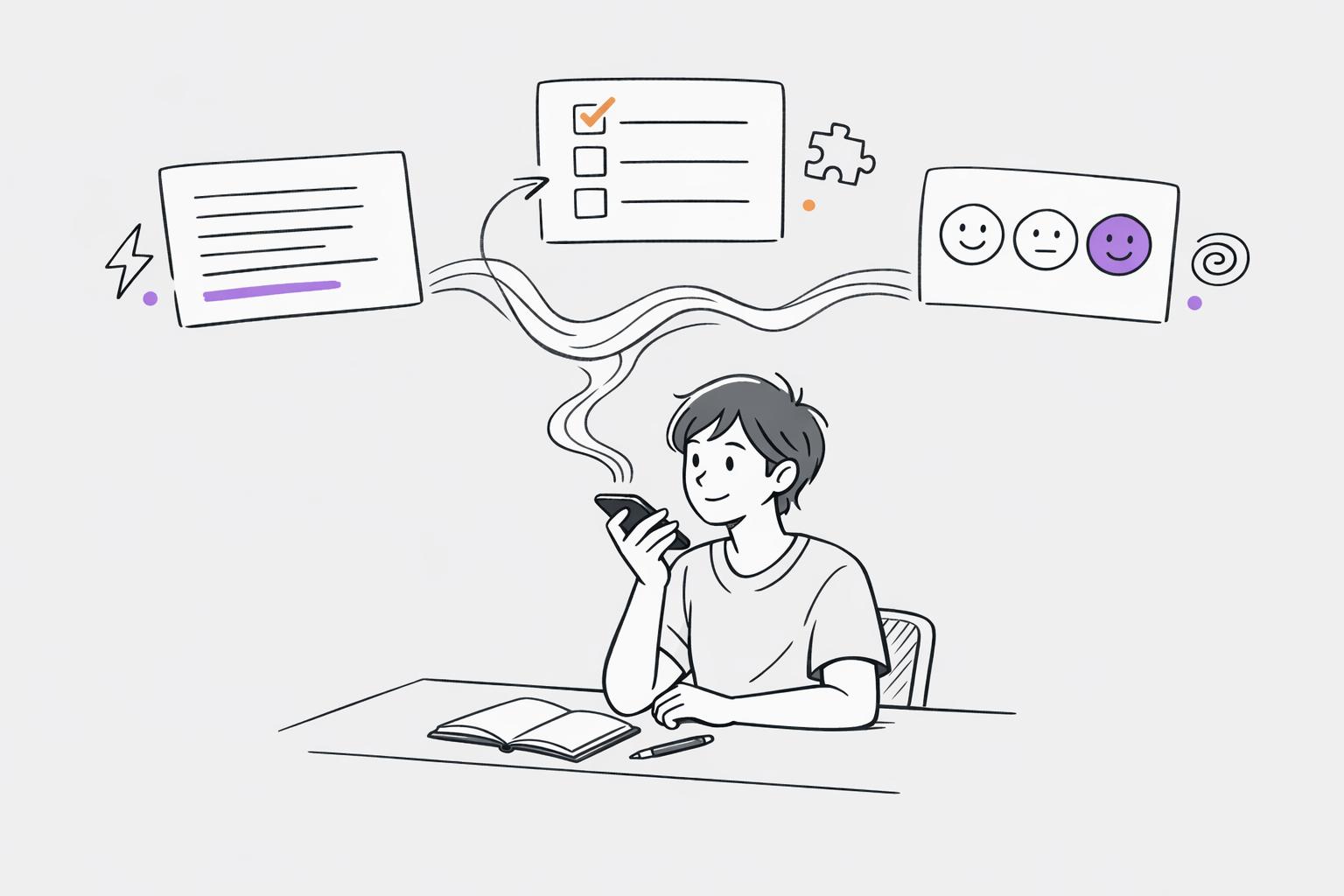
For individuals with ADHD, traditional journaling often feels too slow to capture fast-moving ideas. Voice journaling, which aligns better with the speed of thought, allows for quicker note-taking and captures emotional nuances. AI tools take this further by organizing your recordings into tasks using ADHD task management apps, tracking emotions, and uncovering patterns.
Here are three AI-powered tools designed for ADHD voice journaling:
- Calma: Converts voice notes into tasks, tracks habits, and organizes thoughts. Features include offline use, dark mode, and task prioritization. Starts at $39.99/year.
- WhisperPlan: Focuses on effortless task management with energy-level-based suggestions and hyperfocus-friendly features. Costs around $82/year.
- Audionotes: Ideal for recording unstructured thoughts. Includes a Zero Friction Capture system and an AI Coach. Pricing varies.
Each tool serves different needs, so testing their free plans or trials can help you find the right fit.
Quick Comparison
| Feature | Calma | WhisperPlan | Audionotes |
|---|---|---|---|
| Voice-to-Text | Handles ADHD speech patterns well | Accurate for fragmented input | Designed for messy, fast thoughts |
| Task Management | Prioritizes and organizes tasks | Breaks projects into steps | Not task-focused |
| Mood Tracking | Yes | No | No |
| Price | $39.99/year | ~$82/year | Varies |
Pick a tool that fits your thinking style and start simplifying your daily life with the right ADHD productivity planner app.
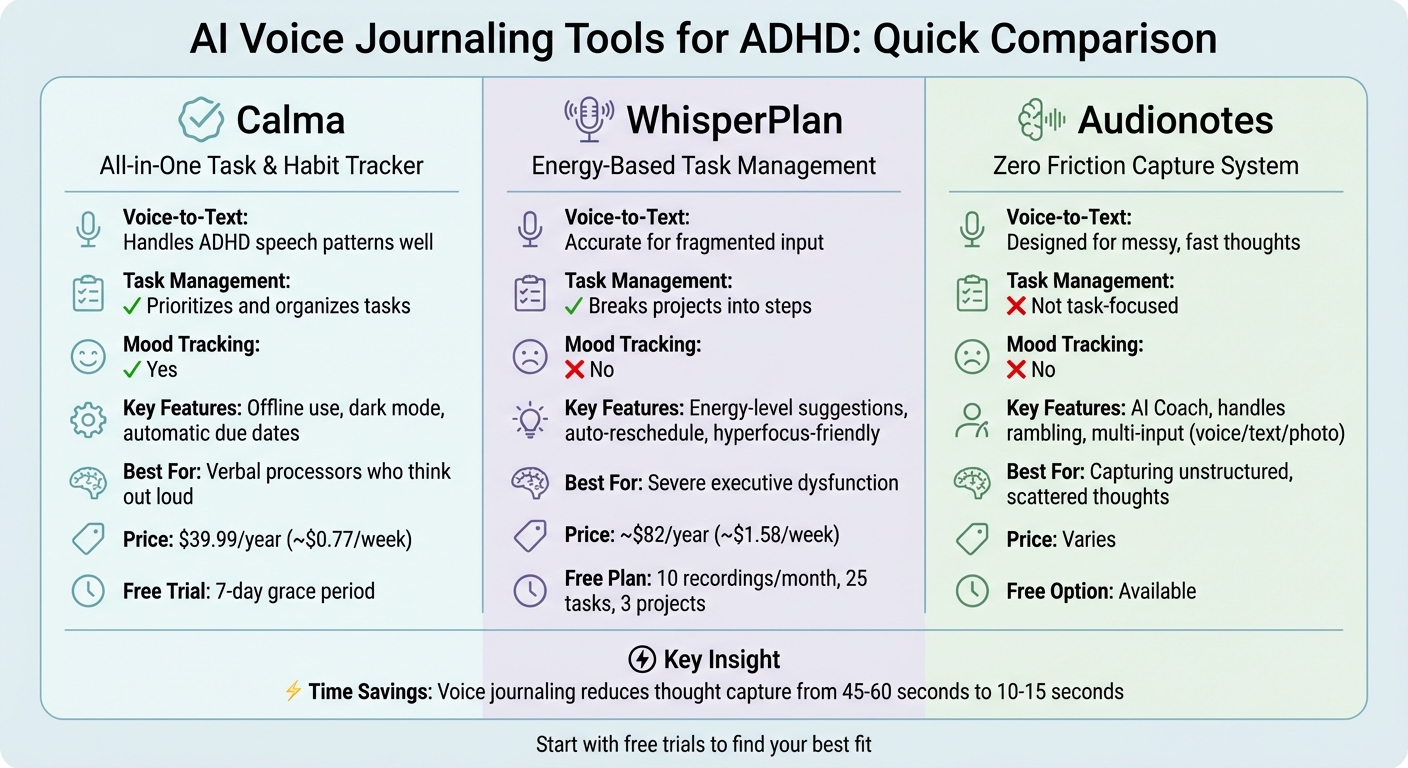
AI Voice Journaling Tools for ADHD: Feature and Price Comparison
1. Calma
Calma is designed with ADHD users in mind, transforming voice recordings into structured tasks, journal entries, and habit trackers. Instead of typing everything out, you simply speak, and the AI pulls out the key points. This reduces the time spent capturing ideas from 45–60 seconds per thought to just 10–15 seconds, ensuring nothing slips through the cracks.
Voice-to-Text Accuracy
Calma’s transcription system is fine-tuned for the unique speech patterns of individuals with ADHD. Its 2026 AI models handle pauses, filler words, and incomplete sentences, making the experience feel natural. While Calma doesn’t share specific error rates, transcription technology of this caliber typically achieves 90-99% accuracy in clean, single-speaker audio conditions. The app prioritizes critical token accuracy, ensuring key details like dates, names, and tasks are captured with precision.
For best results, speak in a quiet environment to minimize transcription errors. The app also works offline, so you can capture fleeting thoughts without needing an internet connection. These features smoothly integrate into Calma’s task and habit tracking systems.
Task and Habit Integration
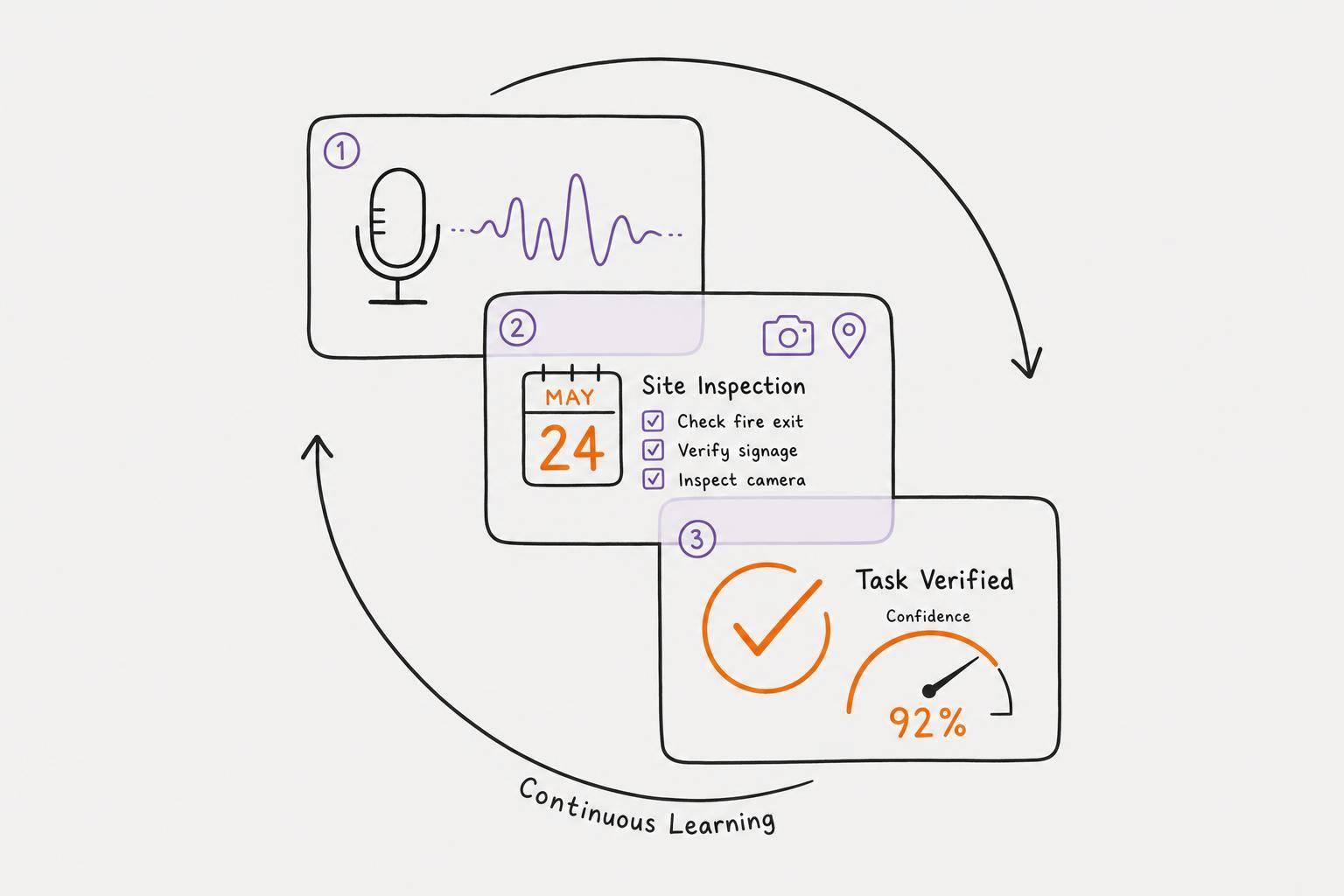
Calma automatically identifies tasks from your recordings, flags deadlines, and suggests priorities based on patterns and context. This eliminates the mental strain of organizing your thoughts manually. For larger projects, it breaks them into smaller, actionable steps, using visual grids and streak counters to provide motivating feedback.
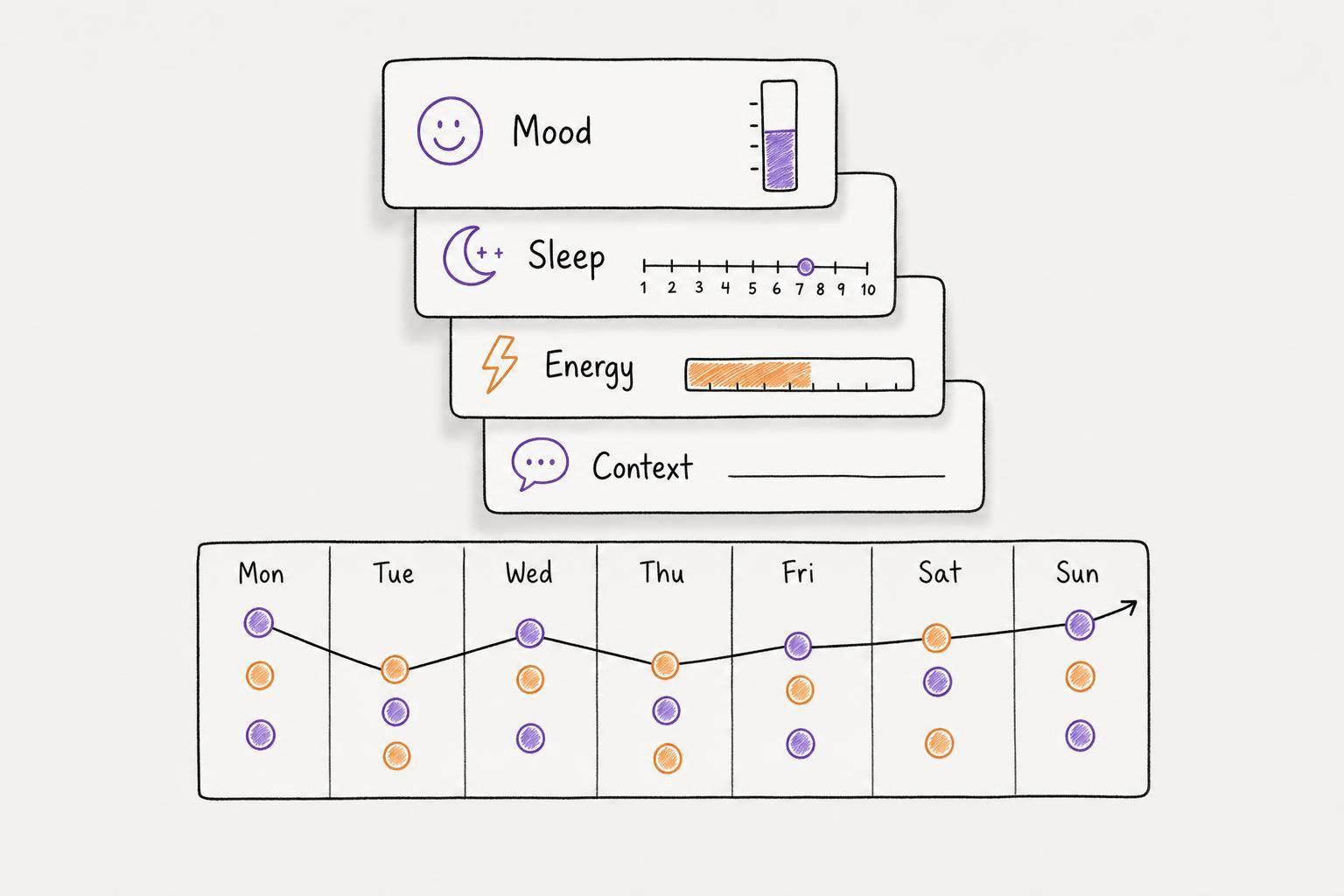
The app also tracks emotional context alongside tasks, helping users spot connections between their mood and productivity. Quick-access widgets on the home screen make it easy to check your daily focus without opening the full app.
ADHD-Friendly Features
The interface is intentionally simple to avoid sensory overload. With dark mode, minimal animations, and a low-stimulation design, distractions are kept to a minimum. The app gently reminds you of missed deadlines and even reschedules them automatically, helping you avoid the guilt that can derail productivity.
To keep things manageable, start by focusing on three core areas of your life. Daily brain dumps work best when tied to consistent routines, like morning coffee or an evening wind-down, turning them into sustainable habits rather than overwhelming systems.
Pricing and Accessibility
Calma includes a 7-day grace period with full access to voice AI features for free. After that, the free plan allows manual task creation and up to three habits, while the voice-to-task and voice-to-journal features require a subscription. Pro plans start at $2.00 per week or $39.99 per year, with the annual plan offering the best value at about $0.77 per week. Additional perks include unlimited habits, calendar integration, and iOS widgets. You can find the app on the Apple App Store.
sbb-itb-1b3be24
2. WhisperPlan
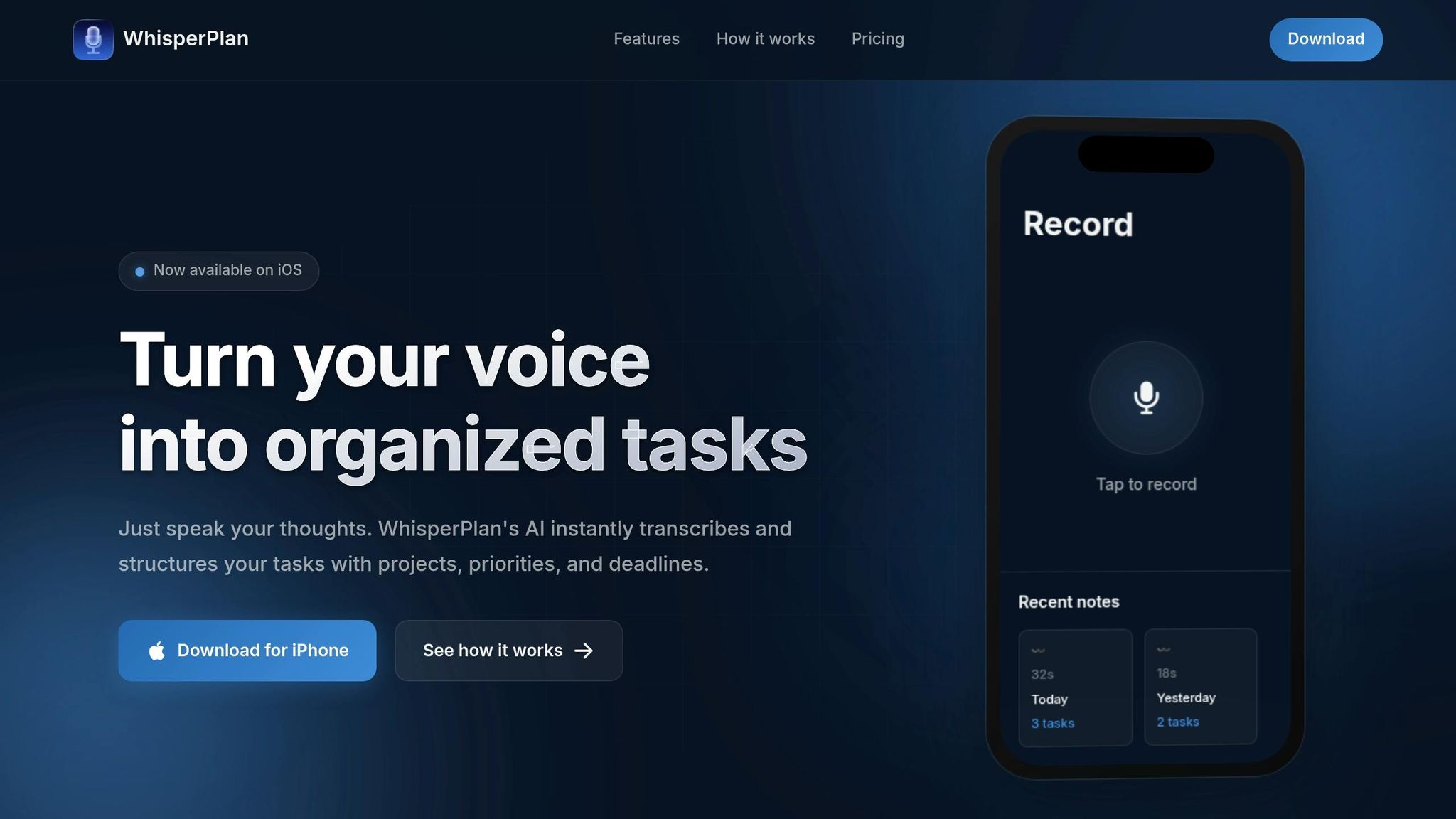
This tool takes voice journaling a step further by simplifying task management, specifically designed for individuals with ADHD.
WhisperPlan uses a voice-first approach to make capturing scattered thoughts effortless. All you need to do is tap the mic, speak your ideas, and let the system do the heavy lifting. It transforms your voice recordings into neatly organized tasks - no manual sorting required.
Voice-to-Text Accuracy
The transcription engine is built to handle fragmented input, turning incomplete thoughts into clear, actionable notes. Users have praised the AI for its ability to "read and connect every bit of information provided", ensuring even quick entries retain all the important details.
Task and Habit Integration
WhisperPlan goes beyond transcription by breaking down big projects into smaller, doable steps. It even suggests tasks based on your current energy level. Feeling mentally drained? It will recommend low-effort tasks and automatically reschedule deadlines you might have missed.
ADHD-Friendly Features
Designed with ADHD users in mind, WhisperPlan eliminates the overwhelm of setup - there's no complicated configuration. During moments of hyperfocus, you can quickly voice-dump intrusive thoughts, and the AI will organize them later, allowing you to stay focused on your main task. These thoughtful features extend to flexible pricing options as well.
Pricing and Accessibility
WhisperPlan offers a free plan that includes 10 recordings per month (up to 20 seconds each), 25 active tasks, and 3 projects. For those needing more, the Pro plan is available for about $6.85 per month (billed annually at around $82 per year). Pricing originates in euros (€5.85/month or €70/year), so U.S. users may notice slight variations due to exchange rates.
3. Audionotes
Audionotes takes voice journaling to another level, making it incredibly easy to record and organize your unfiltered thoughts, no matter how scattered they may be.
Audionotes works like an AI-powered Second Brain, capturing raw ideas as they come to you - no need for structure or polished input.
Voice-to-Text Accuracy
This tool is built for those moments when your thoughts are all over the place. Whether you're rambling, speaking quickly, or losing your train of thought mid-sentence, Audionotes ensures every detail is captured. Its transcription is designed to handle "messy rambles" and "fast, scattered thoughts" with impressive precision, so nothing slips through the cracks.
ADHD-Friendly Features
For users with ADHD or anyone who thrives on quick, low-effort tools, Audionotes offers Zero Friction Capture. You can record thoughts instantly using voice, jot down text fragments, or even snap photos. Plus, the built-in AI Coach adapts to your needs, offering different approaches. Whether you prefer gentle encouragement or direct, actionable strategies, there's a personality that fits your style.
Pros and Cons Comparison
Here’s a quick look at what Calma brings to the table - and where it might fall short.
Pros
Calma’s all-in-one system offers an impressive range of features. It can turn voice notes into prioritized tasks and journal entries, track emotions, and visually monitor habits. The interface is designed to be simple and ADHD-friendly, helping to minimize mental overload. Plus, its automatic due date detection makes daily planning much easier.
Cons
On the downside, some advanced tools, like calendar integration and unlimited habit tracking, are locked behind a Pro Annual subscription, which costs $39.99 per year.
Conclusion
AI voice journaling makes it easier to capture and organize your thoughts - a game-changer for managing ADHD. Among the three tools reviewed, each offers unique features tailored to different needs.
If you're looking for a tool that seamlessly converts voice into tasks, tracks emotions, and monitors habits, Calma might be the right fit. It includes automatic due date detection and costs $39.99 per year. For those experiencing severe executive dysfunction and needing a simple, ready-to-use solution, WhisperPlan stands out with its automatic project detection, priced at around $82 annually. On the other hand, if your priority is to capture scattered or fragmented thoughts, Audionotes is designed to handle unstructured input with its Zero Friction Capture and AI Coach.
Your thinking style plays a big role in choosing the best tool. Verbal processors who prefer thinking out loud may gravitate toward Calma or WhisperPlan, while those who need to record free-flowing, unfiltered thoughts might find Audionotes more effective with its transcription capabilities.
It’s always wise to test the waters first. Start with a free trial or basic plan to see which tool feels right for you. As Marcus, a software developer, shared:
I've abandoned every task manager I've tried. WhisperPlan is the first one I've stuck with for months.
Give one of these tools a shot and see how AI-powered voice journaling can revolutionize the way you manage ADHD and capture valuable insights from your daily thoughts.
FAQs
How do I choose the best AI voice journaling tool for ADHD?
When choosing an AI voice journaling tool for ADHD, it's important to look for features that genuinely support your needs. Start with high-quality voice input - this ensures the tool accurately captures what you say. Next, consider the tool's AI capabilities, such as transcription, emotion detection, or task organization, as these can streamline your journaling experience. Privacy is another big one - make sure the tool has strong privacy policies to protect your sensitive recordings.
Ease of use is crucial too. Tools that are simple and intuitive can reduce frustration and make journaling feel less like a chore. Bonus points if the tool supports emotional reflection or habit tracking, as these features can be incredibly helpful for managing ADHD. By focusing on these aspects, you'll find a tool that not only fits your lifestyle but also helps lighten your mental load.
Will voice journaling work if I ramble or lose my train of thought?
Voice journaling can absolutely work, even if your thoughts wander or you lose focus. Tools like Calma are built to take your unfiltered speech and turn it into structured, actionable insights. They’re designed to capture your genuine thoughts without requiring you to speak with perfect clarity or organization.
How can I turn daily voice dumps into a consistent habit?
To make journaling a daily habit, choose a specific time each day - like morning or evening - to record your thoughts. Tools like Calma can help by turning your recordings into actionable tasks and tracking your streaks. Keep your entries brief (30-60 seconds) to maintain focus, and use reminders to ensure you don’t skip a day. Take a few moments each week to reflect on your progress; this can keep you motivated and strengthen your routine.